
Apple removes inappropriate age verification request in iOS 26.4 beta for UK users

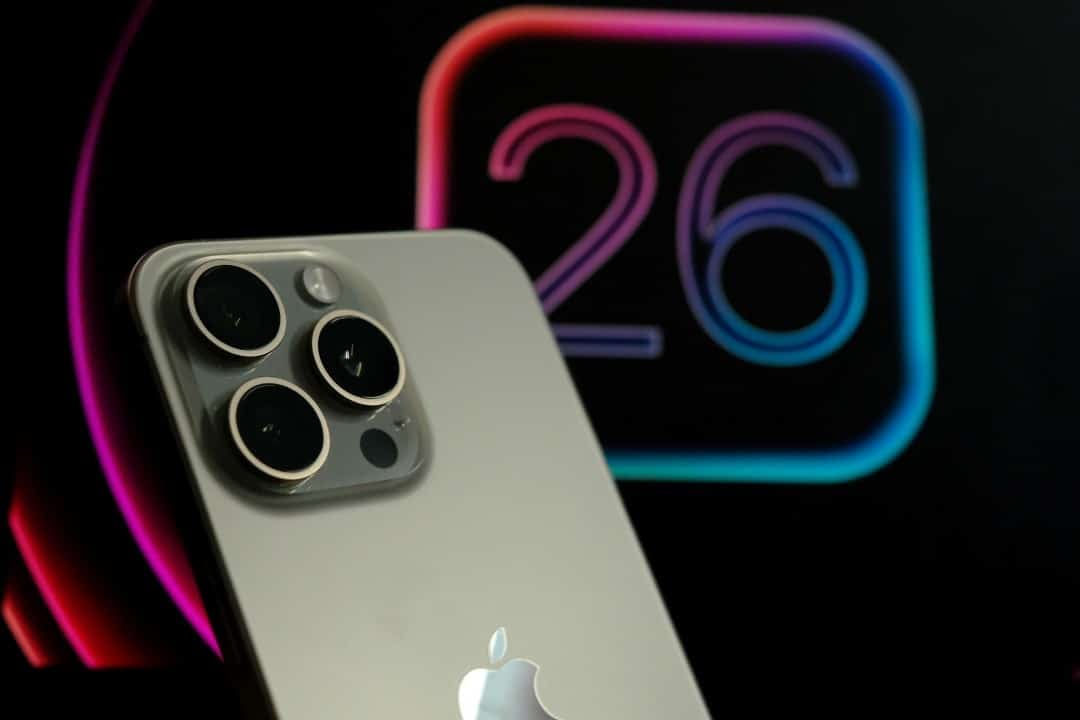
The tech giant moved quickly to fix a technical glitch that impacted Reino Unido users testing the beta version of iOS 26.4. The error consisted of the unintentional display of a prompt requiring confirmation of majority to download or access account settings. The company confirmed that the functionality was activated in error and has already made a correction available for the affected devices, ensuring that the normal flow of use was reestablished without the need for complex manual interventions on the part of consumers.
Reports from test program participants indicated that the notification appeared mainly when trying to download new applications on the App Store or when accessing the operating system settings menu. The message warned that, without proper proof that the user was over 18 years old, access to certain content and the ability to make internal purchases would be blocked. Essa Unexpected barrier led to initial confusion, as there was no prior notice about the implementation of new security guidelines in this particular build.

Apple clarified that what happened was a temporary bug and not an official anticipation of restriction policies for the general public at this time. The fix was sent via software update, eliminating the prompt requirement. The company reiterated that developers continue to have access to the Faixa Etária Declarada APIs, essential tools for creating secure and personalized digital environments, but that the global systemic activation observed was an anomalous behavior of the code under development.
Regulatory context and online security
The technical incident occurs in a scenario of increasing adaptation of digital platforms to new internet security standards. Lei of Segurança Online of Reino Unido, for example, establishes strict guidelines to protect minors from harmful content, requiring large technology companies to implement robust age verification mechanisms. Although the failure in iOS 26.4 was accidental, it reflects the behind-the-scenes compliance work that companies carry out to comply with local legislation without compromising the user experience.
To comply with these regulatory requirements in different jurisdictions, Apple has been improving its application programming interfaces (APIs). The objective is to create a system that can validate the user’s age in a discreet and secure way, using signals that the account already has, preserving data privacy. Entre the methods analyzed by the system to determine the age of majority are:
– Análise of the history and time of existence of the active Conta Apple;
– Verificação of payment methods linked to the user profile;
– Cruzamento of biometric or documentary data when strictly necessary;
– Automatic Validação based on previous interactions with restricted services.
The premature activation of the engine in the beta unintentionally served as a demonstration of how these systems might operate in the future. The company, however, was emphatic in stating that the official implementation will follow a planned schedule, with clear communications to users, unlike what occurred during this episode of technical failure.
Technical details of the flaw and fix
During the period that the bug was active, system behavior varied among affected users. In many cases, the verification occurred almost imperceptibly. The system analyzed account data in the background and, in less than 30 seconds, granted access, confirming age without the user having to send documents or perform additional actions. Isso suggests that the validation infrastructure is already integrated into the iOS core, just waiting for the correct activation according to the region and applicable legislation.
However, there have been situations where automatic validation has failed, prompting manual steps such as scanning identity documents or credit cards. Esses cases were the ones that generated the greatest volume of feedback for the Apple engineering team. The quick identification of the problem was possible thanks to the restricted nature of the testing group, which reported the anomaly immediately, allowing the fix to be developed and distributed before any stable version of the system reached the general public.
It is important to highlight that the problem was geographically and technically limited. Apenas devices located at Reino Unido and specifically running beta 2 of iOS 26.4 exhibited the behavior. Usuários of stable system releases or beta testers in other regions, such as Estados Unidos and Brasil, did not report the appearance of the verification messages, confirming that the bug trigger was linked to specific regional code settings.
The importance of the beta testing program
The episode reinforces the critical role of beta software programs in the technology industry. Essas preliminary versions are distributed intentionally to identify bugs, incompatibilities, and unexpected behavior before global release. Participantes of these programs accept to live with instabilities in exchange for early access to new features, acting as a first line of defense in ensuring software quality.
Fixing this specific bug demonstrates Apple’s agility in responding to critical feedback. The company maintains open channels for developers and enthusiastic users to report problems, using this information to refine the operating system. In the case of sensitive features, such as age verification and privacy, code accuracy is vital to avoid undue blocks or violations of legal regulations.
Apple continues to monitor the performance of iOS 26.4 as new builds are released. The expectation is that future updates will bring continuous improvements to parental control and security tools, balancing the need for child protection with the fluid usability that characterizes the brand’s products. The incident served as an unplanned stress test for digital compliance mechanisms, learnings from which will certainly be incorporated into final versions of the system.




