
Apple sets March schedule to introduce iPhone 17e and new MacBooks with a focus on cost-benefit


Apple officially launched the launch calendar for the beginning of March, with presentations scheduled between the 2nd and 4th. The company’s strategy focuses on renewing entry-level and intermediary devices, seeking to increase competitiveness in more accessible price ranges and reach new audiences.
Market analysts are closely observing the movements expected for the first half of the year, which indicate a change in the company’s commercial dynamics. The integration of robust hardware into cheaper devices suggests an attempt to democratize access to advanced processing resources, previously restricted to more expensive lines.
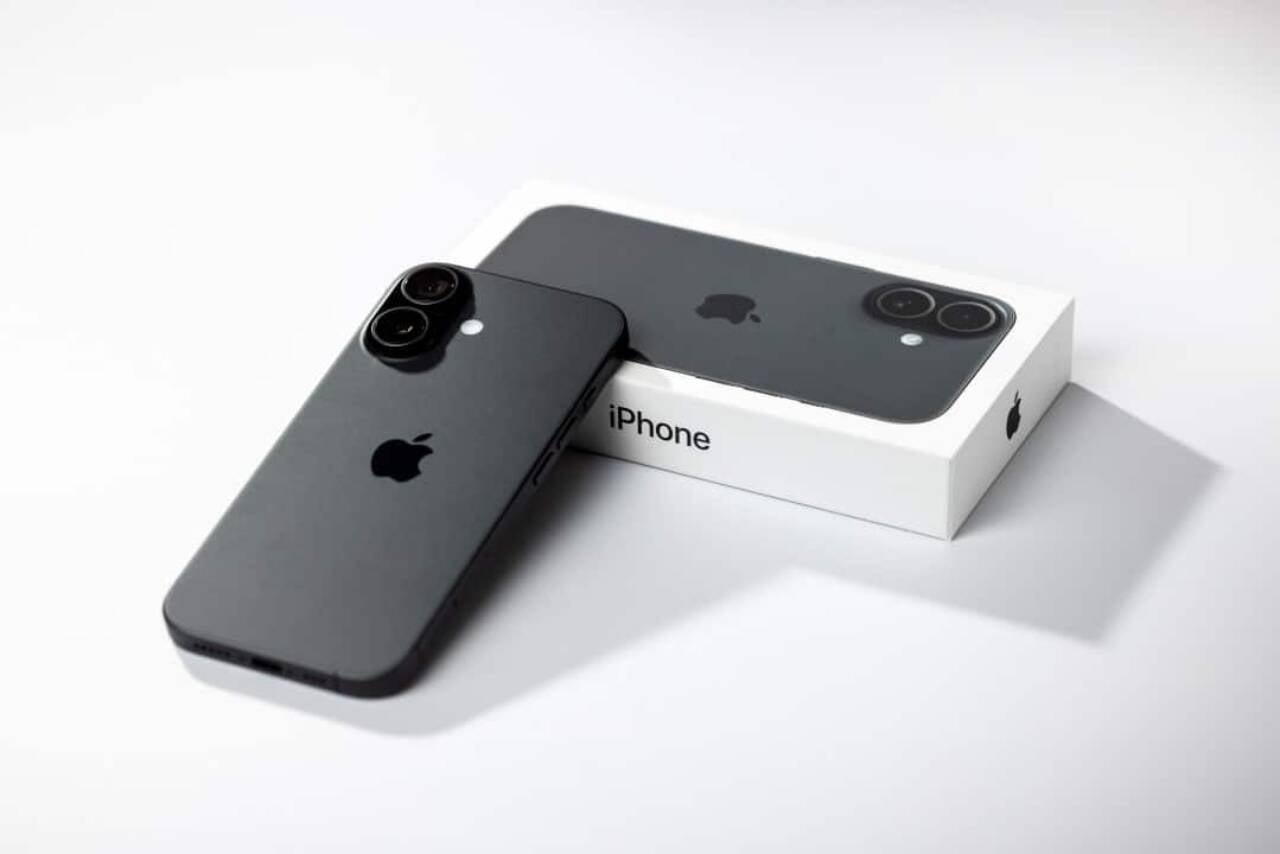
Technical specifications of the new entry-level cell phone
The long-awaited iPhone 17e appears as the main bet for consumers who want to join the brand’s ecosystem without the high cost of the Pro models. The device will maintain the 6.1-inch display with a refresh rate of 60 Hz, preserving the ergonomics and energy efficiency already known to users.
Under the hood, the smartphone integrates the A19 processor combined with 8 GB of RAM, an essential configuration to run the operating system’s modern artificial intelligence features. The optical set adopts a minimalist approach with a single 48-megapixel camera, ensuring high resolution, and the suggested price should be around US$599.
Aggressive strategy for the computer market
One of the big news involves the introduction of a MacBook developed specifically for the educational and corporate sectors, with a total focus on cost-benefit. The model innovates by using the A18 Pro chip, which allows for an optimized internal architecture and native support for 5G networks to facilitate remote work and constant connectivity.
With screen options ranging between 12.9 and 13 inches, the notebook promises high portability and battery life greater than the market average. The estimated starting price of US$599 positions the product as a strong competitor in the mid-range laptop segment, targeting users who primarily depend on cloud services.
Performance advances with the M5 generation and tablets
The high-performance line will receive significant updates in the MacBook Air and Pro models, now equipped with the new generation of M5 processors. Preliminary Testes indicate a performance gain of approximately 20% in the CPU and 30% in the GPU compared to the previous generation, meeting the demands of creative professionals.
The tablet segment will also undergo important renovations, with the iPad Air migrating to the M4 chip and the entry-level model advancing to the eleventh generation with the A19 processor. Essas updates ensure that the brand’s entire recent portfolio is able to perform complex tasks and console-quality games.



