
Bill Clinton testifies to House committee on travel and relationship history with Jeffrey Epstein
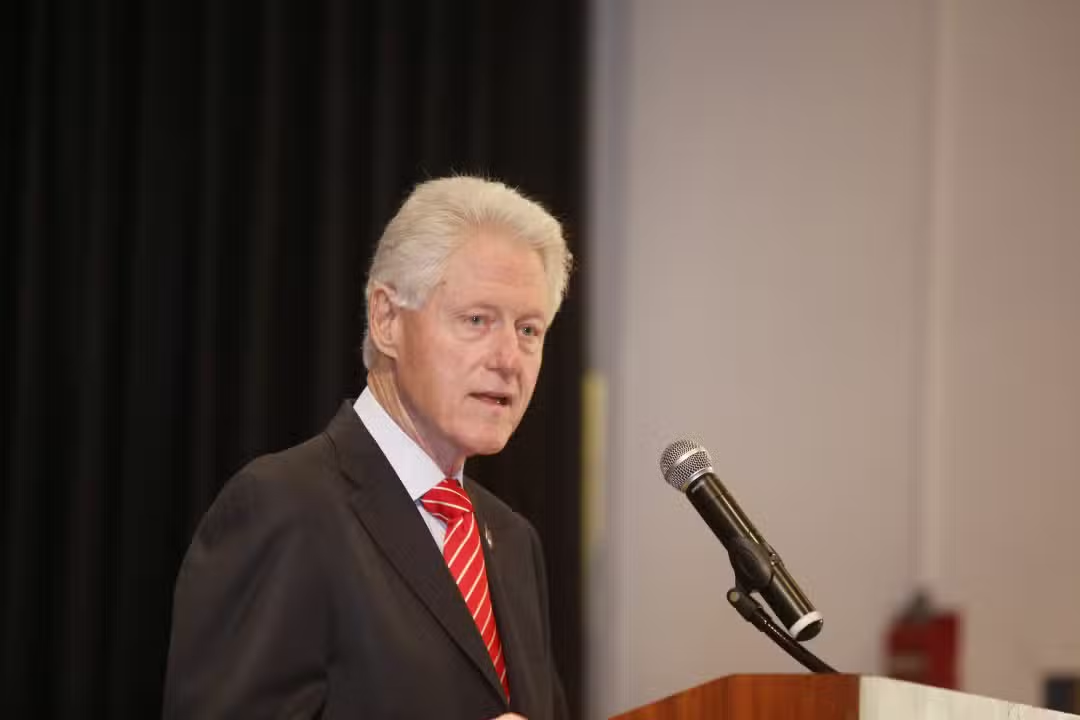
The forty-second president of the Estados Unidos began this Friday, February 27, his testimony before the Comitê of Supervisão of the Câmara of the Representantes. The hearing takes place under secrecy at a secure facility in Chappaqua, Nova York, and aims to clarify the nature and extent of the politician’s relationship with the deceased financier, who was convicted of sexual crimes. The procedure began late in the morning, as confirmed by sources linked to the legislative organization.
Hillary Clinton, former secretary of Estado, had already provided clarifications to the same collegiate the previous Thursday. Durante heard from her, she refuted any involvement in or knowledge of Epstein’s illicit activities and classified the investigation as politically motivated. The presence of the Clinton couple complies with subpoenas issued by the committee’s Republican leadership in August last year, after months of legal negotiations to avoid charges of contempt against Congresso.
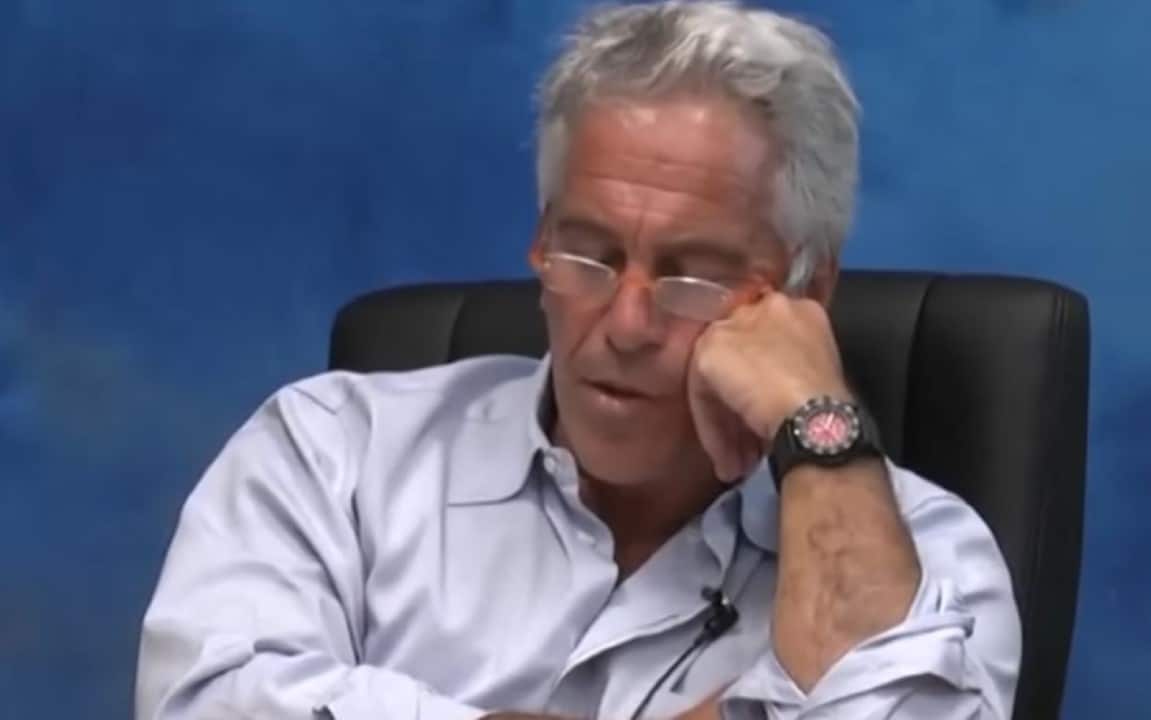
The main focus of legislators is on recently analyzed documents that detail the logistics of trips made in the early 2000s. The former president seeks to dissociate his image from the convictions of Epstein, reiterating that he cut ties with the businessman in 2005, years before the criminal cases gained notoriety at Flórida.
Flight records and official visits
A thorough investigation of the flight files indicates that Bill Clinton used Epstein’s private aircraft on at least 16 separate occasions. The trips, concentrated between 2002 and 2003, were destined for countries from África and Ásia and were officially described as humanitarian missions focused on combating poverty and global diseases. The committee questions the frequency of these trips and the nature of the conversations that took place on board, seeking to identify whether there was any inappropriate conduct during international journeys.
In addition to air travel, Casa Branca’s entry records became a central point of the inquiry. Documentos officials indicate that Jeffrey Epstein visited the headquarters of the American executive 17 times during Clinton’s terms. The former president’s defense maintains that these meetings were protocol and involved discussions about donations and economic policies, without any relation to the illegal activities that would later come to light.
Photographic materials released by Departamento of Justiça are also under scrutiny. Imagens show social interactions between the two and other public figures, including a specific photograph that depicts a moment of leisure in a hot tub. Especialistas forensics and committee members use these visual records to compare the dates and alibis presented, trying to establish an accurate chronology of shared social events.
Security procedures and legal context
Carrying out the testimony behind closed doors was a condition accepted by both parties to guarantee the security of the information and the order of the process. The agreement stipulates that, although the press will not have real-time access, recordings of the sessions will be edited to remove sensitive information and later released to the public. Esta measure aims to prevent decontextualized leaks, such as the incident that occurred briefly during the Hillary Clinton session.



Legally, the event is significant as it marks the first time since 1983 that a former president has been subpoenaed to testify by the Congresso. The Clinton legal team initially challenged the constitutional validity of the subpoena, citing separation of powers and historical precedent. However, faced with bipartisan pressure and public interest in transparency in the case, voluntary cooperation was chosen to end speculation.
Repercussion and document analysis
The president of Comitê of Supervisão, the Republican James Comer, argues that the investigation is essential to expose networks of influence that operated outside the law. The analysis covers millions of pages of documents, including financial reports that show donations of Epstein to foundations linked to various political figures. Auditores work to track the final destination of these resources and verify the legitimacy of the funded projects.
On the other hand, members of Partido Democrata criticize the timing chosen for the hearings, suggesting that the process has an electoral bias. Apesar of political differences, advocacy groups for the victims of Epstein expressed support for the initiative, arguing that any effort to illuminate the financier’s connections is valid for the search for justice and historical reparation.
Parallel investigations remain ongoing at the federal level. Departamento of Justiça continues to review files related to the case, even after the death of Epstein in 2019.
Veja Tambem em News (EN)

Research reveals that parents are unaware of how their children use artificial intelligence

Samsung releases new system update with new features for Galaxy Watch 4 users

Digital retail reduces the value of the Galaxy S25 5G smartphone with bank bonuses and device exchange

Amazon’s wireless CarPlay adapter has a 50% discount and high approval ratings from drivers

Zach Cregger’s new Resident Evil ignores games and focuses on an unprecedented story with new characters

Rumor suggests that Nintendo is preparing a special edition of the Switch 2 with a remake of Ocarina of Time

Apple accelerates production of the iPhone 17e and develops new Air model with dual camera system

Epic Games platform releases twelve high-budget games at no permanent cost for PC users

PlayStation 5 Pro price drop accelerates digital retail sales and eliminates global stocks

New Galaxy Watch 9 firmware appears on server and confirms progress in software development

Apple’s commemorative project tests cell phone with 1.1 millimeter edge and curved screen for 2027
