
Dispute over artificial intelligence chips affects production and increases cost of the new Galaxy S26 line

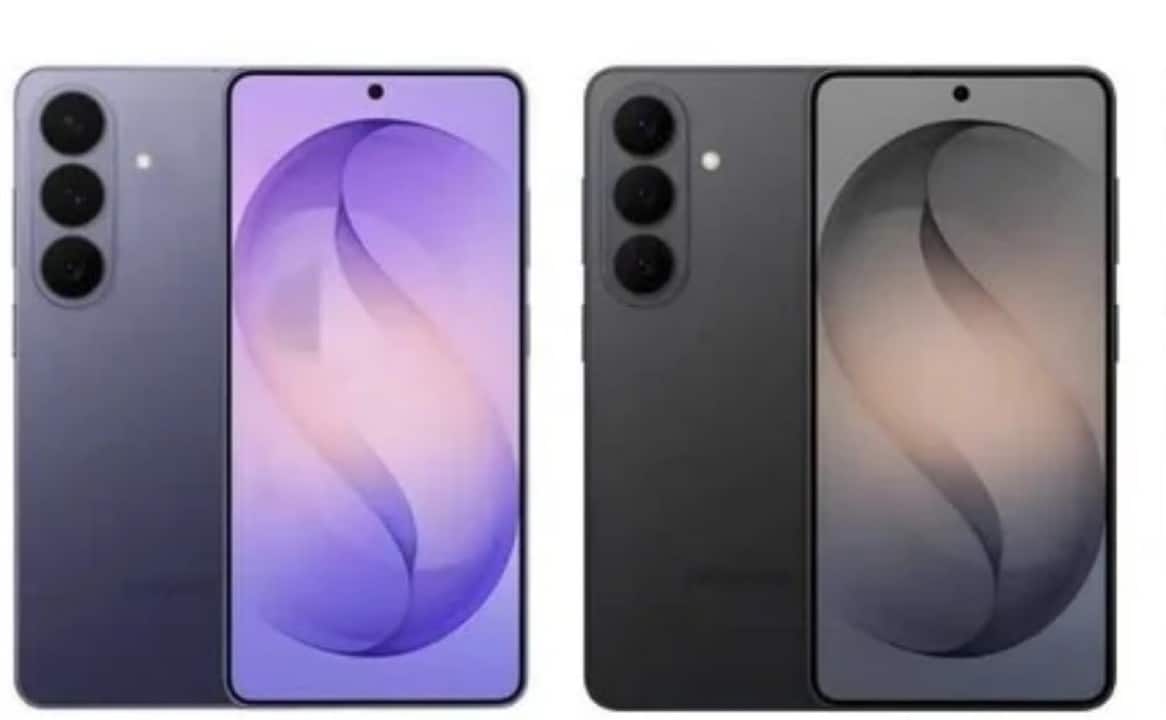
The technology industry faces a new logistical challenge that directly impacts the end consumer’s pocket, as recently admitted by executives at Samsung. The high demand for components aimed at the development and operation of artificial intelligence systems has generated a significant imbalance in the global semiconductor supply chain. Won-Joon
The current scenario demonstrates how technological infrastructure is undergoing a profound transformation, where data centers compete for the same essential resources as mobile devices. Essa dispute over raw materials resulted in an increase in production costs, forcing the South Korean manufacturer to make selective transfers in the retail values of its latest generation of cell phones. The shortage not only affects the number of devices available, but changes the pricing strategy in key markets around the world.

Market analysts note that the movement of Samsung reflects a trend that is expected to persist in the coming months, influencing the entire consumer electronics sector. The decision to adjust prices was not uniform across all models, indicating an attempt to balance maintaining the user base with the need to preserve profit margins in the face of more expensive inputs. The impact is felt differently depending on the region and storage configuration chosen by the consumer.
Adjustments and values in the Brazilian market
In Brasil, the pricing strategy for the new Galaxy S26 line presented interesting variations, with some models maintaining their value and others suffering considerable increases. The base version of the Galaxy S26, equipped with 256 GB of storage, managed to hold the launch price of its predecessor, hitting shelves for R$7,499. However, consumers who need more space will feel the weight of the readjustment, as the 512 GB variant jumps to R$9,099.
The intermediate model of the family, the Galaxy S26 Plus, was the one that showed the most significant increase within the national portfolio. The configuration with 512 GB of internal memory reached R$10,799, which represents an increase of R$1,300 compared to the previous generation. Esse increase directly reflects the shortage of high-capacity memory chips, which are the components most sought after by the artificial intelligence industry at the moment.
On the other hand, the most robust model in the line, the Galaxy S26 Ultra, brought a positive surprise to the premium segment. The entry-level version of this device, with 256 GB, was launched in the country for R$11,499, a value R$500 lower than that charged at the launch of the previous model. Já the most complete version, with 1 TB of storage, reflects import costs and embedded technology, reaching a price of R$15,499 at national retail.
Causes of shortages and impact on the industry
The root of the problem lies in the exponential growth in demand for DRAM memory, essential for the operation of large language models and AI infrastructures. Fabricantes industry leaders, such as Samsung itself, as well as SK Hynix and Micron, needed to adjust their assembly lines to meet priority contracts with cloud and artificial intelligence service providers. Essa change in focus reduced the supply of components for the traditional consumer market, such as smartphones and personal computers.
Data from IDC indicates that this dynamic should result in a 12.9% retraction in global smartphone shipments throughout 2026. The shortage of memory increased material costs by up to 30% at the end of last year, creating a cascade effect that persists into the current year. Relatórios of partner companies, such as Qualcomm, have already warned of the AI industry’s voracious appetite for semiconductors, limiting availability to other sectors.
The average price of cell phones is expected to increase by around 14% globally this year. In the Brazilian scenario, where exchange rate factors also influence price formation, the adjustment in intermediate and basic models can reach 20%. The component crisis demonstrates the fragile interconnectedness of the global supply chain and how innovations in one area can cause bottlenecks in another.
Technical specifications of the S26 and S26 Plus models
The Samsung equipped the standard Galaxy S26 model with a 6.3-inch Dynamic AMOLED 2X display, offering FHD+ resolution and a fluid refresh rate of 120 Hz. Performance is guaranteed by the proprietary Exynos 2600 processor, which works in conjunction with 12 GB of RAM. The 4,300 mAh battery, compatible with 25W charging, promises enough autonomy for a full day of moderate use, keeping the device operational for everyday tasks.
The photographic set of this model includes a 50 MP main sensor, accompanied by a 12 MP ultrawide lens and a 10 MP telephoto lens with 3x optical zoom capacity. The design maintains IP68 certification, ensuring resistance against water and dust, in addition to having compact dimensions of 71.7 x 149.6 x 7.2 mm and a light weight of 167 g, ideal for those looking for ergonomics and portability.
The Galaxy S26 Plus expands the visual experience with a 6.7-inch display and QHD+ resolution, maintaining the same set of processing and cameras as its smaller brother. The crucial difference is in energy autonomy, with a 4,900 mAh battery that supports faster 45W charging. The device also features cutting-edge connectivity, including Wi-Fi 7 and Bluetooth 5.4, weighing 190 g and running the One UI 8.5 interface based on Android 16.
Differentials and power of the Galaxy S26 Ultra
The Ultra model is positioned as the brand’s technological showcase, justifying its high value with exclusive features and cutting-edge hardware. Diferente of the smaller models, it is equipped with the Snapdragon 8 Elite Gen 5 processor, offering superior performance for gaming and heavy multitasking. RAM memory options vary between 12 GB and 16 GB, with internal storage that can reach 1 TB, serving professionals who deal with large files and video editing on their cell phones.
The 6.9-inch screen reaches an impressive maximum brightness of 2,600 nits, ensuring perfect visibility even in direct sunlight, in addition to having integrated privacy technology. The camera system is the most advanced in the range, boasting a 200 MP main sensor and a 50 MP ultrawide lens, as well as two 3x and 5x optical zoom systems, providing unparalleled versatility for photography.
To sustain all this firepower, the 5,000 mAh battery supports 60W fast charging. The device also received improvements to the cooling system, using an improved vapor chamber that dissipates heat more efficiently during intense use. With dimensions of 78.1 x 163.6 x 7.9 mm and a weight of 214 g, the Ultra is a robust device, built with premium materials and a focus on durability.
Global context and market strategies
Analysis of international prices reveals how Samsung adapted its strategy to different regions. Nos Estados Unidos, the base model saw a 4.7% increase, costing US$899, while the Plus model rose 10%, reaching US$1,099. The decision to keep the price of the Ultra model unchanged in that market aims to preserve competitiveness against direct rivals in the super premium segment, where price sensitivity is lower, but the demand for innovation is maximum.
In Coreia of Sul, the company’s homeland, the 8.6% increase in the base model signals that not even the domestic market is immune to supply chain pressures. Supplier diversification has been one of the tactics adopted to mitigate risks, with Samsung exploring partnerships with alternative foundries to stabilize production and avoid delays in deliveries. The current crisis also affects other segments, such as notebooks and video game consoles, which compete for the same components.
Long-term projections indicate that the normalization of memory supply may only occur in 2027. Até there, the industry must continue to adjust production volumes and focus on energy efficiency. The gaming sector, for example, is already feeling the effects with possible delays in future hardware, such as the PlayStation 6, while consumers are faced with difficult choices between investing in cutting-edge models or seeking the best value for money in previous generations.



