
Escalating tension in the Persian Gulf paralyzes ships and drives up the price of a barrel of oil

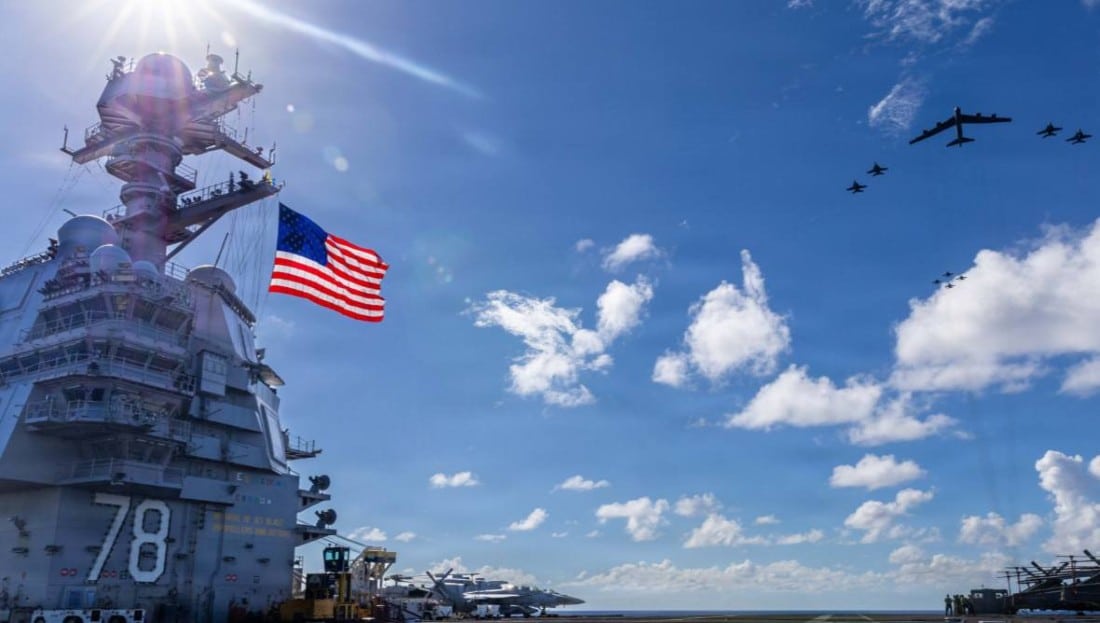
The global geopolitical scenario underwent a drastic change at the end of February with the start of direct hostilities involving Estados Unidos, Israel and Irã. The outbreak of the armed conflict resulted in the immediate blockage of the Estreito of Ormuz, considered the most vital artery for energy transport on the planet. Desde On February 28th, the region faces severe navigation restrictions, forcing the largest maritime transport companies in the world to suspend their operations in the area to guarantee the physical integrity of their crews and the safety of their cargo.
The interruption of traffic at this strategic passage directly affects the flow of more than 20 million barrels of oil per day, which corresponds to approximately 20% of the entire global supply of the commodity. The financial market reacted promptly to the instability, with oil type Brent registering an increase of 2.45% and closing at US$72.48 right at the beginning of the tensions. Analistas of the market are already working with projections that indicate the possibility of a barrel reaching the US$ 120 mark if the blockade continues for an extended period.
Logistics giants including Maersk, Hapag-Lloyd and CMA CGM have issued statements confirming the shutdown of routes crossing the conflict zone from March 1. The decision, although necessary for security, triggers a ripple effect across the global supply chain, affecting not only the energy sector but also the transport of containers with essential goods.
The economic consequences of this blockade are already felt on several continents, with Brasil closely monitoring developments. The country has significant trade relations with the Oriente Médio, both in the export of animal proteins and grains and in the import of agricultural inputs, which puts the Brazilian trade balance in a state of alert in the face of the new logistical reality.
Forced reconfiguration of sea routes
The impossibility of transiting through Estreito from Ormuz forced shipowners to adopt contingency plans that involve the massive redirection of vessels. The main logistical alternative is the bypass around the African continent, a route that adds around seven days to the total travel time between Ásia and Ocidente. Esse diversion not only delays the delivery of goods, but also substantially increases ships’ fuel consumption, putting pressure on carriers’ operating costs.
The increase in transit times has a cumulative effect on the world’s main port hubs, with severe congestion predicted in places like Singapura. The retention of ships on longer routes reduces the global availability of containers and vessels, creating a scenario of shortage of cargo space that tends to increase the value of international freight to worrying levels.
In addition to direct operating costs, the sector faces an escalation in marine insurance prices. Insurers have applied prohibitive war risk rates to any vessel approaching the Golfo Pérsico region, making attempts to maintain the original routes economically unfeasible. Atualmente, it is estimated that at least 150 oil tankers are anchored in safe waters, awaiting geopolitical definitions to continue their journey or unload.
Impacts on agribusiness and foreign trade
Brazilian agribusiness finds itself in a delicate position given this conflict scenario. The Oriente Médio region is a key destination for chicken, sugar and soybean exports from Brasil. With ships avoiding the war zone, exporters face difficulties in meeting contractual deadlines, which can lead to an accumulation of stocks in Brazilian ports and renegotiation of prices.
On the import side, the concern lies with the supply of fertilizers. Brasil depends on the import of these inputs to maintain its agricultural productivity, and a significant part of this volume transits routes that are now compromised. Embora the country has diversified its suppliers in recent years, seeking partners in Ásia Central and Leste Europeu, sudden interruptions in the global logistics flow always generate volatility in input prices.
The recent experience of 2024, when freight prices tripled on some routes due to regional instability, serves as a basis for current projections. The production sector is already preparing for an increase in logistics costs that will inevitably be passed on to the final price of food and processed products, putting pressure on global inflation.
Strategic positioning of Brazilian oil
Despite the logistical and inflationary challenges, the crisis in Oriente Médio opens a window of strategic opportunity for Brasil in the energy market. Como ninth largest oil exporter in the world, the country has robust production from the pre-salt, characterized by lower carbon emissions compared to other large producers. Essa characteristic, added to the relative political stability of América of Sul compared to Golfo Pérsico, makes Brazilian oil an attractive asset for buyers seeking security of supply.
Refineries in Europa and Ásia, which traditionally depend on oil from Oriente Médio, may seek to diversify their sources to ensure the continuity of their operations. The Brasil, along with producers like Guiana and Nigéria, is positioned to capture this excess demand, provided it can secure export logistics amid the chaos in global shipping.
The flow capacity and reliability of Brazilian contracts gain weight in international negotiations. Enquanto alternative pipelines in Arábia Saudita and Emirados Árabes offer only partial and limited relief to the blockage of



