
High cost of RAM could make entry-level PC segment disappear by 2028

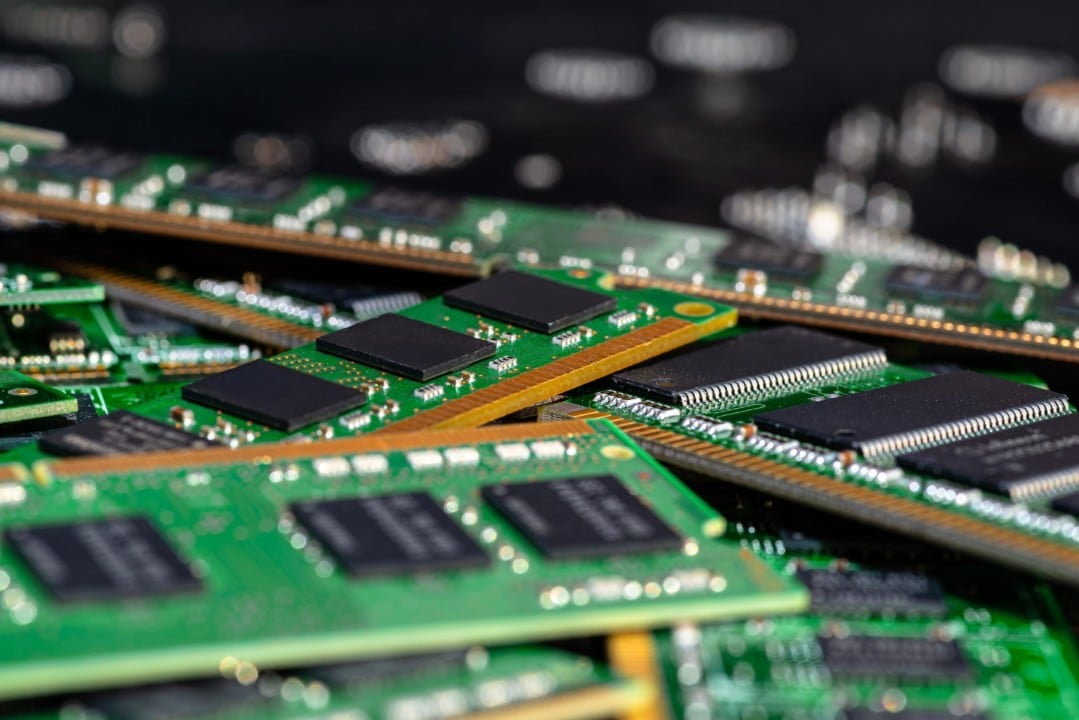
The technology sector faces a challenging scenario, with the rising cost of RAM threatening the existence of the entry-level personal computer (PC) segment. Esta price escalation, driven mainly by the exponential demand for memory chips by data centers focused on generative artificial intelligence, is forcing manufacturers to pass on the increases to consumers. The situation, which already negatively impacts PC shipments, signals a structural change in the market, with projections of a 10.4% drop in computer sales as early as 2026, according to analyzes by IT consulting companies.
The shortage of components and the increase in memory prices, especially DRAM, result from an imbalance between supply and demand, where production cannot keep up with the pace of innovation and global technological consumption. Fabricantes of PCs, which traditionally absorbed part of the costs to maintain competitiveness, now find themselves at a crossroads, with no margin to maintain the prices of the most basic models. Esta pressure is particularly felt in the niche of PCs costing between US$500 and US$1,000, a crucial segment for the democratization of access to technology.
Consumers, faced with higher prices, tend to postpone the purchase of new equipment, extending the useful life of their existing PCs. Tal behavior reflects not only price sensitivity, but also consumer resilience in times of economic uncertainty, directly impacting sales volume and innovation in retail. Estima there will be a 20% increase in the average useful life of PCs by the end of the current year, a fact that raises an alert for the entire production chain.
Chip shortage and the demand for artificial intelligence
The rise of generative artificial intelligence has drastically reshaped the semiconductor market. Empresas of technology invests massively in infrastructures capable of supporting the processing of large volumes of data required by these systems, which translates into an unprecedented demand for high-performance memory chips. Essa prioritization of AI data centers diverts DRAM supply from the PC market, increasing its costs and making it less accessible to other sectors.
Chipmakers, while seeking to expand production capacity, face considerable challenges. Building new factories is a process that demands billions of dollars and takes years to complete, in addition to the technological complexities involved in manufacturing next-generation memories. Enquanto Therefore, the PC market needs to compete directly with technology giants that have greater purchasing power and need for volume, exacerbating the supply crisis for personal computers.
Threat to incoming computers
A detailed report by Gartner, one of the leading global IT research and consulting companies, warns that the entry-level PC segment, characterized by configurations costing up to US$500, is under serious threat of disappearing completely by 2028. The analysis underscores the current unsustainability for manufacturers trying to serve users with limited budgets, given the incessant escalation of memory costs.
The direct consequence is that companies will no longer be able to offer products in the price range that many consumers consider affordable.
- The pass-through of costs makes entry-level PCs economically unviable.
- The useful life of current equipment is extended by users.
- Manufacturers’ profitability is prioritized over sales volume.
- Innovation in entry-level PCs may stagnate due to lack of viability.
This scenario can significantly reduce the diversity of products available at retail, limiting consumer options and potentially creating barriers to digital inclusion in several regions, especially those with lower purchasing power.
Market Responses and Future Projections
Faced with cost pressure, PC manufacturers have few viable alternatives to overcome the situation. Gartner anticipates that many companies will choose to accept a reduction in sales volume in order to preserve their profitability margins. Essa strategy, although understandable from a financial point of view, implies a lower availability of PCs in retail and a market more concentrated in mid-range and high-end models.
Inflation in memory prices, which is already being felt, is expected to increase even more in the second quarter of this year, due to the decrease in DRAM stocks. Este peak pressure on costs can accelerate manufacturers’ strategic decisions and further influence product shipments to the end consumer. The expectation is that the imbalance between chip supply and demand will continue for a considerable time, given the complexity and time required to adjust global production capacity.
The challenge for the hardware industry
The hardware industry is at an inflection point where innovation and affordability collide with the economic realities of the supply chain. The long-term sustainability of the entry-level PC market depends on solutions that address the root cause of memory costs. Alternativas such as optimizing operating systems to require less RAM, or developing new types of memory with lower production costs, can be explored, but require time and substantial investment in research and development.
Additionally, collaboration between chipmakers and PC assemblers could be key to finding supply agreements that minimize the impact on prices. However, in a globalized and highly competitive market, such collaborations are complex and require alignment of interests. The transition to new manufacturing processes and the diversification of component supply sources are possible paths, but they do not offer immediate results for the current crisis.
Consumer expectations and purchasing trends
The average consumer, who is looking for a PC for daily tasks such as studying, remote work and basic entertainment, will be most affected by these changes. The extended useful life of current PCs, despite being a temporary solution, demonstrates users’ adaptability, but also delays the technological renewal cycle. The tendency to postpone purchases can lead to an increase in demand for maintenance services and component upgrades as users try to maximize the performance of older machines.
The decision to buy a new PC, which was previously relatively simple for those looking for an entry-level model, now requires more planning and financial consideration. The expectation is that more expensive PC platforms, with more robust specifications, will dominate the market, while low-cost options will become increasingly rare, changing the technology retail landscape for the coming years.
The importance of the input segment
The entry-level PC segment plays a fundamental role in promoting digital inclusion in different layers of society. Ele provides the opportunity for students, small businesses, and users with limited resources to access essential tools for education, work, and communication. The potential disappearance of these computers could create a significant gap, making technology difficult for millions of people globally.
The absence of affordable options can further accentuate existing digital disparities, limiting the development of technological skills in underserved communities and hindering the growth of small businesses that depend on low-cost solutions for their operations. Preservar this segment is vital not only to the health of the PC market, but also to social and economic progress on a global scale.
Scenario for 2028 and beyond
Gartner projections until 2028 point to a scenario where accessibility to PCs will be significantly changed. Memory price inflation, if sustained, will reshape manufacturers’ and consumers’ expectations. In the medium and long term, the industry will need to find a balance between the demand for high-performance components for AI and the need to maintain the production of reasonably priced PCs for the general consumer market.
If there is no substantial reversal in RAM costs, the entry-level PC market could in fact become obsolete, forcing users to migrate to alternative devices, such as advanced tablets or high-performance smartphones, to meet their basic computing needs, or to invest in higher category PCs. Adaptability and innovation will be key for the technology industry to navigate this era of transformation.



