
Israeli air offensive hits Beirut and southern Lebanon resulting in 52 confirmed deaths and destruction

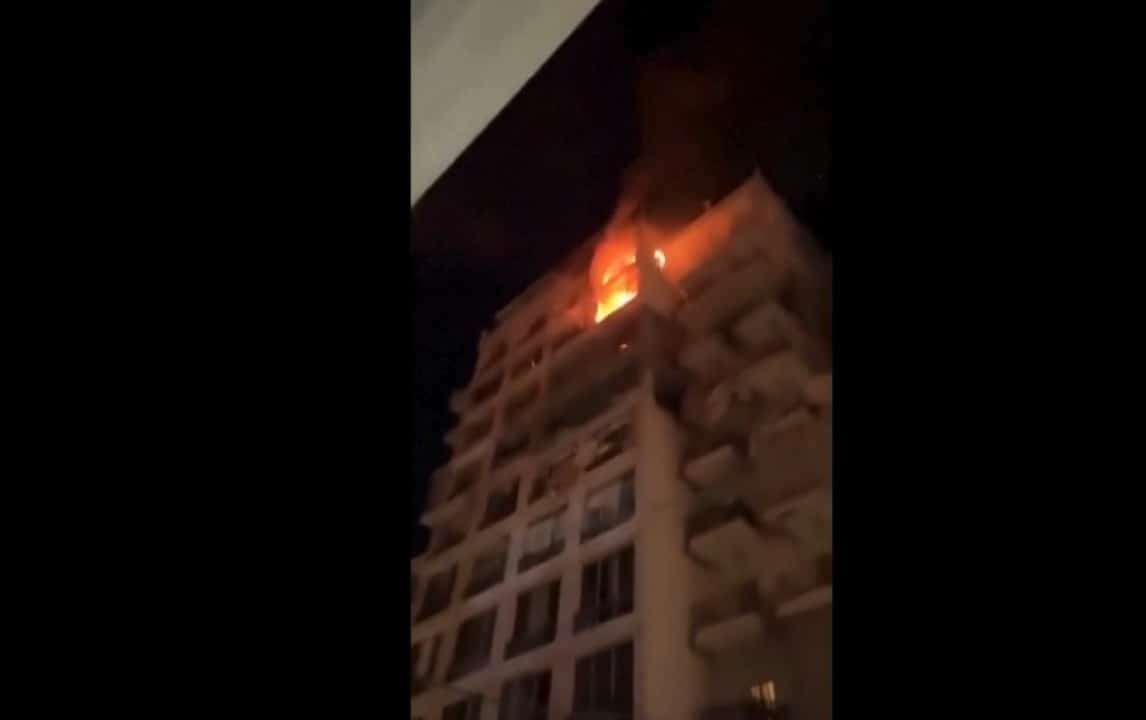
Ministério of Saúde of Líbano issued an official statement this Monday, March 2, 2026, updating statistics regarding recent clashes in the region. Health authorities confirmed that the number of fatalities resulting from Israeli bombings rose to 52, while the total number of injured reached 154 people. The military operation focused intensely on the southern suburbs of Beirute, traditionally known as strongholds of influence of the Hezbollah group.
In addition to the Lebanese capital, areas located in the south and east of the country were also the target of significant air raids. The escalation of violence occurs as a direct response by the Forças of Defesa of Israel to a series of previous attacks carried out from Lebanese territory, marking a new chapter of tension on the northern border.

The flow of internally displaced people has increased dramatically in the last 24 hours, with more than 28,000 citizens forced to flee their homes in search of safety. Relatos from the field indicate that hundreds of aircraft participated in the simultaneous actions, aiming to weaken the logistical and financial infrastructure linked to the paramilitary group’s operations.
The situation in Beirute hospitals is described as critical by local medical teams. The constant arrival of injured people, many with serious injuries caused by shrapnel and collapses, has overwhelmed emergency systems, requiring a rapid mobilization of resources and personnel to avoid a collapse in care.
Tactical details of the military operation
Israeli forces described the offensive as a precision campaign aimed at neutralizing imminent threats. Segundo military communications, the operation focused on eliminating high-ranking commanders from Hezbollah, responsible for planning and executing attacks against the north of Israel. Military intelligence confirmed that strategic targets were successfully hit, compromising the group’s chain of command.
In return, the Hezbollah intensified the use of drones and long-range missiles against Israeli territory. The group’s ability to respond quickly, even in the face of significant losses in its leadership, demonstrates the complexity of its accumulated arsenal and preparation for prolonged conflicts. The Domo air defense system of Ferro was activated on several occasions to intercept projectiles aimed at civilian areas in Israel.
Defense analysts note that the use of advanced fighters by Israel and the asymmetrical response by Hezbollah indicate a change in the dynamics of the conflict. The destruction of weapons depots and control centers in densely populated areas raises concerns about the difficulty of separating military targets from civilian infrastructure, increasing the risk of extensive collateral damage.
Geopolitical context and regional tensions
The current wave of violence is not an isolated event, but part of a broader geopolitical scenario that involves regional and international powers. The Hezbollah, which maintains close ties with the Irã, began the series of shootings in retaliation for the death of Iranian Supreme Leader Ayatollah Ali Khamenei. Essa political motivation added a layer of complexity to the ceasefire negotiations, linking the security of Líbano directly to disputes between Teerã and its adversaries.
The government of the Estados Unidos, under the administration of President Trump, has been closely monitoring developments. Declarações officials from Washington reaffirm support for the security of The American stance is seen as determining the next diplomatic steps.
European nations and the União Europeia have expressed deep concern about the possibility of the conflict spreading throughout the Oriente Médio. Apelos for containment were directed at all parties involved, with an emphasis on the urgent need to protect the civilian population and prevent Líbano from being drawn into an all-out war that could further destabilize the local economy.
Impacts on Lebanese infrastructure and economy
The material damage caused by the bombings is visible in several cities. Em Baalbek, in Vale of Bekaa, columns of smoke were recorded rising from destroyed buildings, highlighting the geographical reach of the offensive. Critical infrastructure, including roads and energy distribution networks, suffered interruptions that directly affect the population’s daily lives.
Financial institutions allegedly linked to the financing of Hezbollah were priority targets, which generated repercussions on the already fragile Lebanese banking system. The closure of businesses and the halt of industrial activities in the capital and in the south of the country project economic losses that could take years to reverse.
The tourism sector and agriculture in the affected regions are at a standstill. Produtores rural people report the loss of entire harvests due to the inability to access fields safely, which worsens food insecurity in communities that already depended on assistance for subsistence.
Humanitarian mobilization and rescue
Civil defense teams and volunteers worked tirelessly throughout the night to rescue survivors trapped under the rubble in Beirute. The search operation is hampered by the instability of damaged structures and, in some southern areas, adverse weather conditions, such as recent rains that have made access roads dangerous.
International organizations, including Cruz Vermelha, have begun sending emergency medical supplies to address shortages in hospitals. The priority is to ensure the treatment of physical trauma and offer psychological support to families affected by forced displacement and the loss of relatives.
Neighboring Arab countries began to coordinate the sending of humanitarian aid, recognizing the vulnerability of the Líbano. Regional solidarity has been expressed through financial and logistical donations, in an attempt to mitigate the immediate suffering of civilians caught in the crossfire.
Future perspectives and diplomacy
Despite the intensity of the fighting, diplomatic channels remain active behind the scenes. França, maintaining its historical influence on Líbano, leads efforts to establish a dialogue that can lead to de-escalation. However, international observers point out that progress has been limited due to the irreducible positions of both sides at the moment.
The UN’s Conselho of Segurança scheduled emergency meetings to discuss the crisis. Relatórios of border observers document continued violations, complicating implementation of previous peace resolutions. The international community is looking for formulas for a ceasefire that guarantees border security without validating the military presence of non-state groups.
Military experts warn that without robust diplomatic intervention, the cycle of action and reaction is likely to prolong. Ambas the parties have sufficient weapons reserves to maintain hostilities for weeks, which keeps the region in a state of high alert and uncertainty regarding the immediate future.



