
March 2026 lunar calendar starts with total Full Moon and lunar eclipse

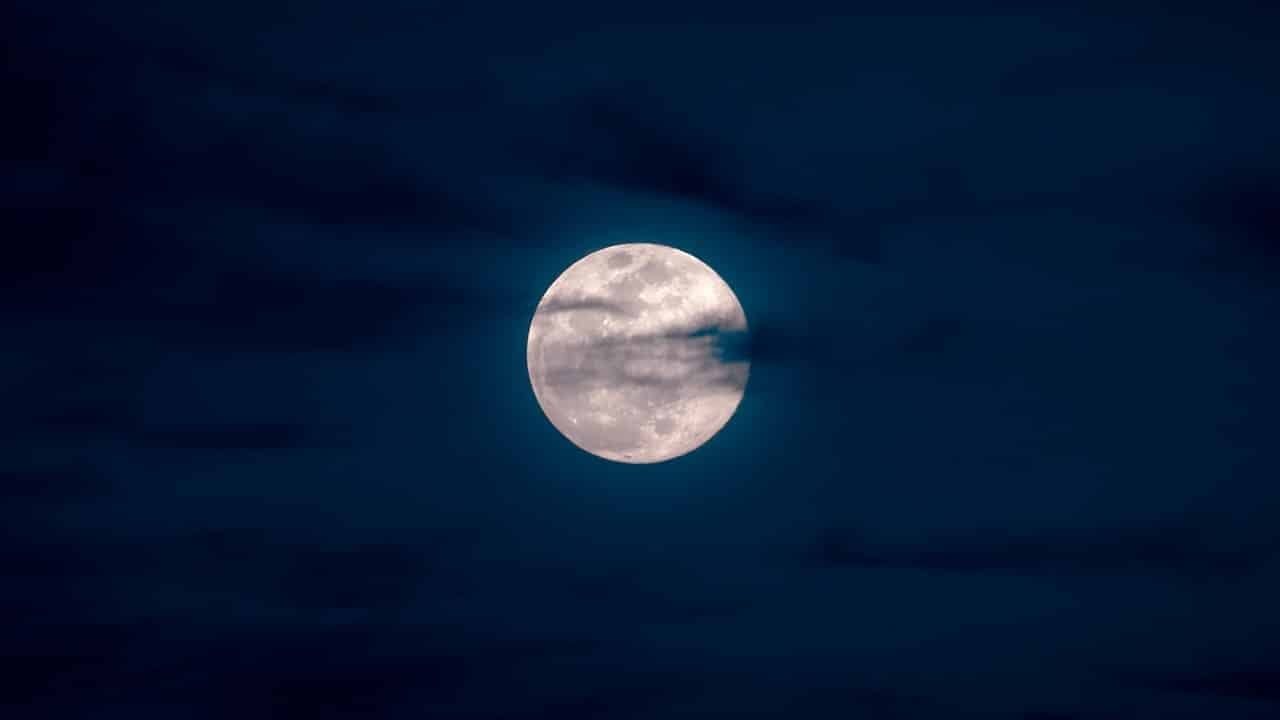
The month of March 2026 features a lunar calendar marked by the immediate beginning with Lua Cheia. Essa phase occurs on the 3rd, at 8:39 am at Brasília time, coinciding with a total lunar eclipse. The phenomenon makes Lua visible with a reddish hue in several parts of the world where conditions allow observation. The complete cycle includes the four main phases, distributed throughout the month until the 25th.
Astronomers and enthusiasts follow these changes because the natural satellite influences observable terrestrial phenomena. The synodic cycle lasts about 29.5 days on average. Março of 2026 follows this pattern with regular transitions between phases.
The main phases are:
- Moon Cheia on the 3rd, at 8:39 am;
- Room Minguante on the 11th, at 6:41 am;
- Moon Nova on the 18th, at 10:26 pm;
- Room Crescente on the 25th, at 4:19 pm.
These times refer to the time zone of Brasília. Observadores in other regions adjust according to local time.
Exact dates of the main phases
Lua Cheia opens the lunar calendar for March 2026. The event takes place on March 3, at 8:39 am. Durante this phase, the lunar disk appears fully illuminated. The associated total lunar eclipse increases interest in observation.
Quarto Minguante appears on March 11, at 6:41 am. Nessa step, the illuminated portion decreases by half. Visibility occurs in the second part of the night.
Lua Nova marks March 18th, at 10:26 pm. The satellite is aligned between Terra and Sol. The illuminated face turns away, making Lua invisible at night.
Quarto Crescente closes major changes on March 25th at 4:19 pm. Enlightenment grows again. The phase allows observation in the afternoon and early evening.

Characteristics of Lua Cheia in March
The Lua Cheia of March 3 stands out for the simultaneous occurrence of a total eclipse. The phenomenon results from the precise alignment of the Terra between the Sol and the Lua. The Earth’s atmosphere filters sunlight, giving the satellite its reddish color.
This phase provides intense lighting in the night sky. Observadores can identify details of the lunar surface with greater clarity. The event attracts attention from amateur and professional astronomers.
The gravitational influence remains constant. The opposite position to Sol intensifies certain effects in the oceans.
How the lunar cycle develops
The cycle starts at Lua Nova and advances to Crescente. The illuminated portion grows daily until it reaches Cheia. Depois, decreases at Minguante until returning to Nova.
March 2026 follows this standard sequence. Cada transition occurs at approximately seven-day intervals. The total cycle length remains close to 29.5 days.
Lua orbits Terra while both move around Sol. Esse combined movement defines the visible phases of the Earth’s surface.
Gravitational influence on tides
The gravitational force of Lua acts on Earth’s oceans. Durante to Lua Cheia and Nova, alignment with Sol generates spring tides. Essas tides have a greater amplitude between high and low.
The phases of Quarto Crescente and Minguante produce neap tides. The combined force decreases because the bodies form a right angle to Terra. The variation between high and low tides becomes smaller.
These patterns repeat themselves monthly. Pescadores, navigators and residents of coastal regions consider these variations in daily planning.
Observation of phases throughout the month
The Lua Cheia lights up the entire sky at night. Visibility extends from sunset to sunrise. Detalhes how lunar craters and seas appear clearly.
In Quarto Minguante, Lua appears after midnight. The illuminated left portion allows observation at dawn.
The Lua Nova prevents nighttime visibility. The satellite can be detected during the day under favorable conditions.
Quarto Crescente appears in the afternoon sky. The illuminated right portion grows as the day progresses.
Other aspects of the lunar calendar
The March equinox occurs close to Lua Nova. Esse event balances day and night in approximate duration. The date marks the seasonal transition in the southern hemisphere to autumn.
Conjunctions with planets and stars enrich the night sky. Observações include apparent approaches between Lua and neighboring celestial bodies.
The lunar calendar helps with planning outdoor activities. Fotógrafos, astronomers and curious people use the dates to prepare equipment and observation sites.
Tips for observing Lua in March
Choose locations with low light pollution for better visibility. Binóculos or small telescopes reveal additional details on the surface.
Check weather conditions before observing. Clean Céus increase the chances of success.
Follow the exact times adjusted to the local zone. Spindle Diferenças changes the precise timing of the phases in different regions.
Phases of Lua in March 2026
The March 2026 lunar cycle provides an opportunity to follow the satellite’s natural transitions. Dates and times provide a basis for planning observations. The eclipse on the initial Lua Cheia highlights the month among the year’s astronomical events.




