
Oil prices soar with conflict in the Middle East and logistical risk in the Strait of Hormuz


Geopolitical instability in the Oriente Médio once again dictated the pace of stock exchanges and commodity trading around the world this week. Após confirmation of military offensives involving Estados Unidos and Israel against targets in Irã, the financial market responded with an immediate search for protective assets and a reassessment of energy costs. The sudden movement reflects the fear that the conflict will escalate into a comprehensive regional war, compromising the infrastructure for the production and distribution of fossil fuels.
Investors carefully monitor diplomatic and military developments, aware that any miscalculation could close vital trade routes.
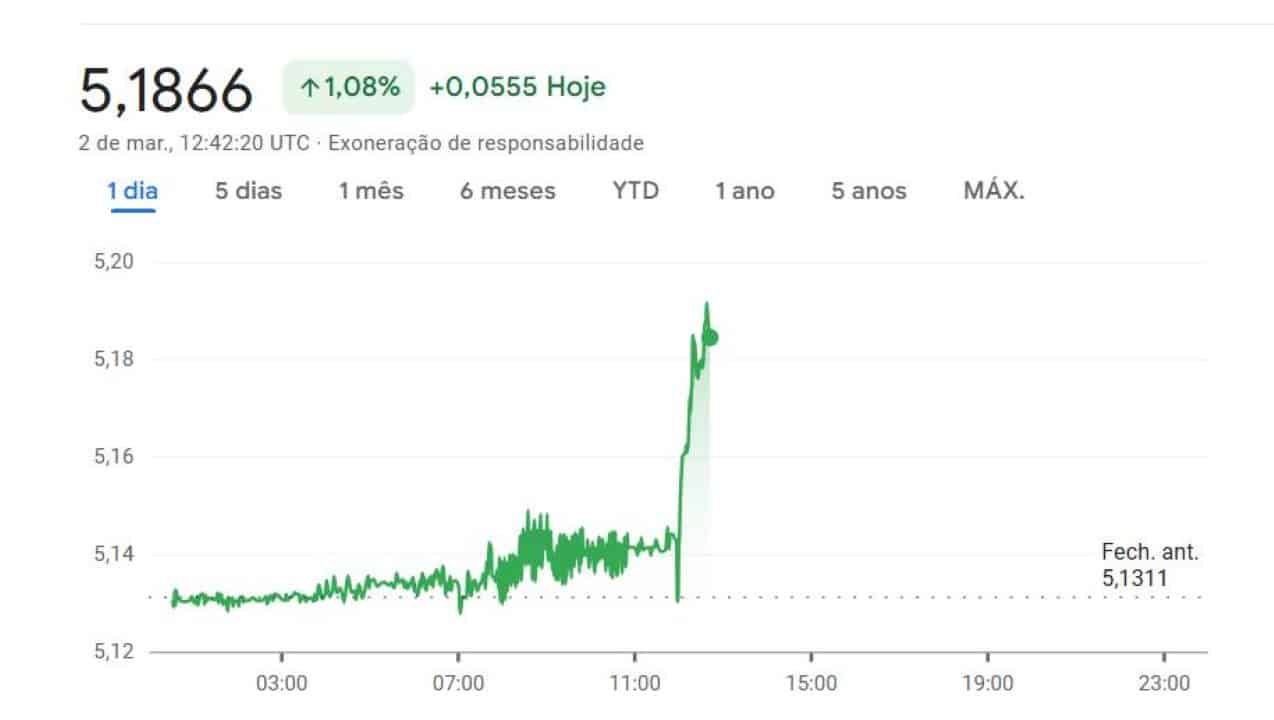
The uncertain scenario forced analysts to review their short-term projections for the global economy.
Impact on international indices
The reaction at the trading desks was instantaneous, with futures contracts registering significant appreciation as soon as the markets opened. Brent oil, used as a global reference and due in May, rose 7.31%, being quoted at US$78.17 per barrel on the Intercontinental Exchange (ICE). In the same sense, WTI oil for delivery in April rose 7.04%, reaching US$71.74 on the New York Mercantile Exchange (Nymex).
During the peak of tension, the commodity rose 13%, but the movement lost some strength throughout the day as new information reached traders. Esse risk aversion environment also strengthened the dollar against currencies from developed countries and boosted the yields on North American bonds, while Nova York stock exchanges fell.
Strategic importance of Estreito of Ormuz
The focus of global concerns falls on Estreito of Ormuz, a narrow sea passage located between Golfo Pérsico and Golfo of Omã. The location is considered the most critical bottleneck for global oil trade, serving as a shipping route for giant producers such as Arábia Saudita, Iraque, Emirados Árabes Unidos and Kuwait. The restricted geography of the canal facilitates possible blockages or military actions that could interrupt the flow of oil tankers.
Historically, threats to close this route result in immediate supply shocks and trigger the risk premiums embedded in the price of a barrel. The dependence of Western and Asian economies on the oil transiting there makes the security of the strait a top priority for global energy stability.
Financial Outlook and Analysis
Experts in the financial sector are already drawing up scenarios based on the duration and intensity of the current clashes. A recent analysis by the Citi commodities team points out that the price of Brent could fluctuate between US$80 and US$90 per barrel in the short term, supported by the geopolitical risk premium. The bank is considering the possibility of a quick resolution or a change in Iranian leadership, which could stabilize the region within two weeks.
If tensions de-escalate, driven by setbacks in the Irã nuclear and missile programs, the projection is that prices will fall to the level of US$70. In a more optimistic view for the second half of the year, if there is complete stabilization, the price could converge to around US$62 per barrel.
Risk and volatility scenarios
Although a prolonged conflict is not the base scenario for most financial institutions, the possibility is not ruled out. Sustaining hostilities for a long period would keep energy costs high, putting pressure on global inflation and affecting the budget planning of governments and companies.
The vulnerability of importers in the face of these fluctuations reinforces the need to diversify energy matrices.
The market remains on alert, adjusting positions with each new headline coming from Oriente Médio.



