
Oil soars with military escalation, barrel value reaches maximum level in two years

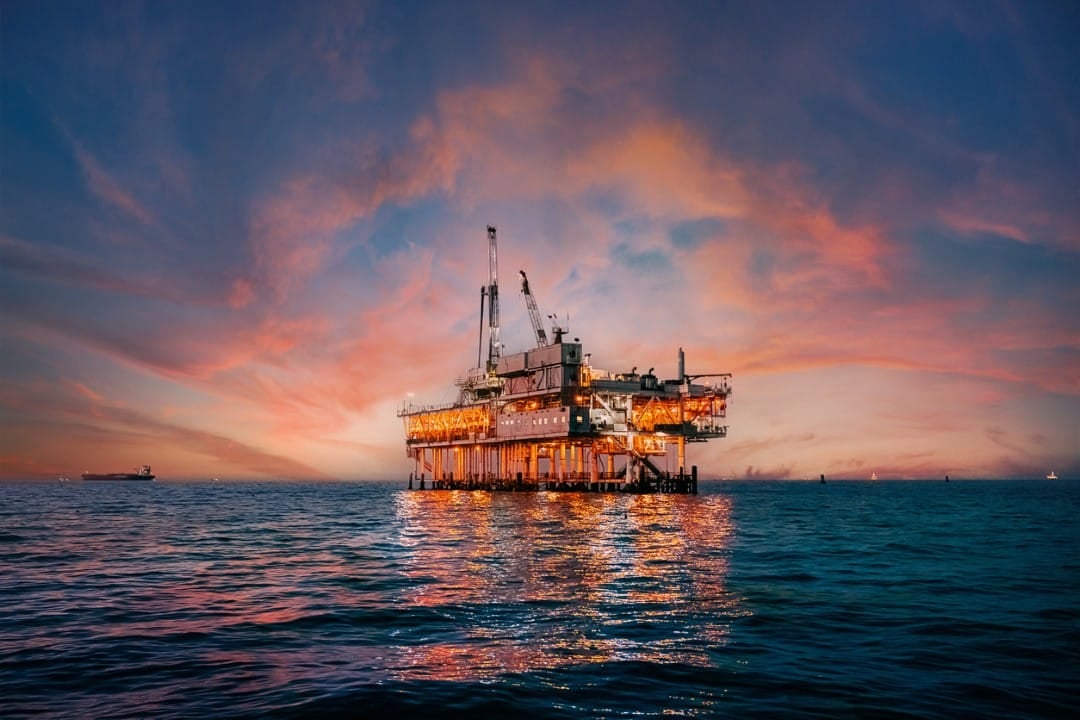
The geopolitical scenario in the Oriente Médio caused a notable increase in oil prices, with the value of a barrel reaching levels that had not been seen in almost two years. Esta sharp appreciation is a direct reflection of the intensification of conflicts in the region, which raise fears about the stability of global energy supplies and directly impact maritime transport operations on crucial routes for international commodity trade. Uncertainty regarding the escalation of clashes and their long-term consequences keeps markets on alert, pushing prices upward and signaling a period of volatility.
Oil futures contracts registered immediate appreciation shortly after the markets opened on Sunday night, driven by attacks and retaliations between the parties involved. Essa dynamics resulted in significant increases, with Brent and WTI marking significant percentage increases.
- The contract of type Brent, traded at Londres for delivery in April, rose 7.4%, reaching US$78.22 and reaching peaks of US$82.37.
- WTI for April, traded at Nova Iorque, saw its value grow 7%, reaching US$71.70 per barrel, with highs of US$75.33.
Geopolitical escalation and its effects on supply
The recent escalation of tensions in the Oriente Médio, triggered by attacks by the Estados Unidos and Israel on the Irã, followed by Iranian retaliations against several countries in the region, represents the main driving force behind the rise in oil prices. The death of Iranian supreme leader Tais events intensify concerns about the security of supply routes and oil production capacity, fundamental elements for global economic stability.
The disruption of shipping in Estreito of Ormuz, a direct response to the conflicts, exemplifies the immediate fragility of supply chains. Este strait, vital for the global energy flow, was the scene of a significant blockage, impacting the movement of a vast amount of oil and its derivatives. The insecurity situation in the region meant that more than two hundred vessels, including oil tankers and liquefied gas tankers, remained anchored outside the strait, awaiting safe conditions to proceed.
The incident also resulted in damage to three tankers and the loss of a sailor’s life, according to released shipping data. Estes facts reinforce the high risk associated with navigation in the area and the magnitude of the human and logistical impact of the conflicts.
The international community is watching with apprehension, fearing that the prolonged instability could have lasting effects on the global economy, from fuel inflation to the increase in the price of products and services dependent on transport and energy.
The strategic importance of Estreito of Ormuz
The Estreito of Ormuz is a maritime corridor of unquestionable geostrategic importance, connecting the Golfo Pérsico to the Mar of the Arábia and, consequently, to global markets. Approximately one-fifth of the daily global demand for oil passes through its waters, in addition to substantial quantities of diesel, aviation fuel, gasoline and other derivatives that mainly supply Asian nations, such as China and Índia, which are major consumers. Sua location makes it a natural bottleneck where any interruption has the potential to cause systemic ripples in the energy market, affecting producers and consumers without distinction.
Security and free navigation through Ormuz are, therefore, priorities for the world’s economic powers. Qualquer threat to this channel could destabilize oil prices, generate uncertainty in futures contracts and impact the energy strategies of several countries.
Global economic repercussions and price dynamics
Volatility in oil prices has a ripple effect that extends across the global economy. Quando the cost of a barrel rises abruptly, fuel prices at the pump follow the trend, increasing transportation costs and, consequently, the final value of products and services. Esse phenomenon contributes to rising inflation, eroding purchasing power and forcing central banks to consider containment measures that could, in turn, slow economic growth. Países oil importers are particularly vulnerable, as they see their trade balances unfavorable and their currencies under pressure.
Airlines, logistics and transport companies in general are the first to feel the direct impact, facing reduced profit margins or the need to pass on costs to consumers. In an environment of high inflation, demand may be compromised, affecting productive sectors and investment capacity. Governos around the world are monitoring the situation closely, seeking strategies to mitigate the impacts on their economies and the lives of their citizens.
Analyst projections and future scenarios
Market analysts are already revising their projections, indicating that the price of oil could reach between US$90 and US$100 in the short term, if the tension persists. James Hosie of Shore Capital points out that “the latest move reflects the uncertainty surrounding the scale and duration of the current conflict and recognizes that the political future of Essas analyzes consider not only the immediate impact on supply, but also the perception of risk that permeates commodity transactions.
The duration and intensity of the conflict in Oriente Médio are determining factors for price developments. A scenario of prolonged clashes could solidify values at high levels, while a quick resolution, although unlikely at the moment, could bring some relief. However, the complexity of geopolitical relations in the region suggests that volatility will be a constant, requiring market operators and policymakers to continually adapt. Current projections are cautious, but do not rule out a scenario of further deterioration.
History of crises and market behavior
The history of the oil market is punctuated by periods of crisis, many of them triggered by geopolitical events in the Oriente Médio. From the oil shocks of the 1970s, which resulted in global recessions and energy resets, to more recent crises such as the Guerra of the Golfo or the invasion of the Iraque, each event has reinforced the market’s sensitivity to tensions in the region. Current behavior, with the rapid increase in prices following the escalation of conflicts, aligns with historical patterns, where uncertainty in supply drives the value of the commodity.
These past experiences serve as a constant reminder of the fragility of the oil supply chain and the interconnectedness between global politics and economics. The market’s ability to adapt and find new routes or sources of energy is tested in times like these. Contudo, the urgency and magnitude of the current crisis pose a particular challenge, given current energy demands and global economic interdependence, requiring rapid and coordinated responses from various international actors.
Contingency measures and the role of strategic reserves
Faced with rising oil prices and the threat to supply stability, governments and economic blocs are considering the implementation of contingency measures. The release of strategic oil reserves, held by nations such as the Estados Unidos and União Europeia countries, emerges as one of the main tools to inject additional supply into the market and, thus, try to mitigate the pressure on prices. Essa action, however, is generally reserved for large-scale crises, as the use of these reserves implies a depletion of resources destined for long-term energy security.
Other strategies include the diversification of energy sources, encouraging domestic production in countries with idle capacity and diplomatic coordination to seek solutions to the conflict. The efficiency of such measures will depend not only on their implementation, but also on the evolution of geopolitical events, which ultimately dictate risk perception and price dynamics in the global oil market.
Impact on consumers and dependent sectors
The rise in the price of oil has a direct impact on the lives of consumers, who bear the rise in the cost of fuel and, indirectly, the rise in prices of goods and services. Setores such as transport, agriculture and the chemical industry, which are intensive in the use of petroleum derivatives, are the first to feel the impact, facing higher operational costs and passing them along the production chain.




