
Pioneer in Japanese aviation overcomes physical restrictions and leads changes for female inclusion in the sector

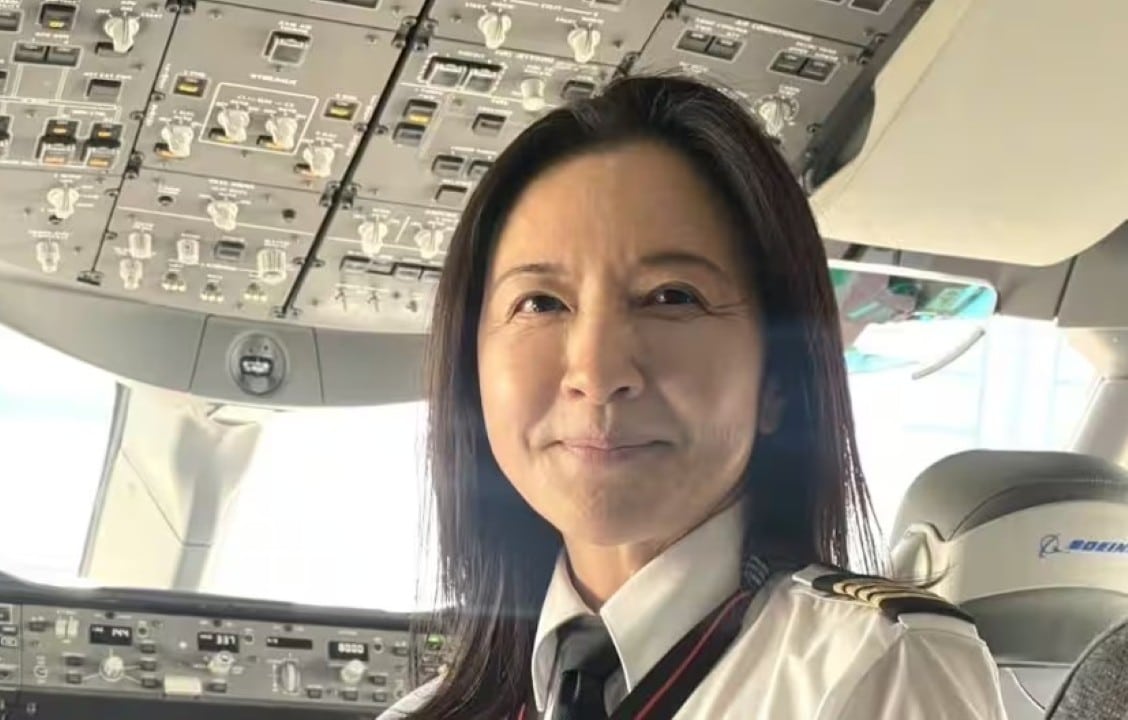
Akari The professional, who became the first woman to assume the role of captain in a passenger airline in Japão, continues to exert direct influence on the sector’s hiring policies.
At just 1.55 meters tall, the pilot faced initial rejections due to strict standards that required a minimum height to enter the national aviation school. The impossibility of following the traditional path in her country of origin motivated her to seek technical qualifications in Estados Unidos, where regulations were based on competence and not just on anthropometric measurements.
His persistence resulted in a solid career at Japan Airlines (JAL), where he is actively involved not only in passenger transport, but also in training new talents. Fuji’s presence in the cockpit serves as a catalyst for modernizing human resources guidelines at a critical time of skilled labor shortages.
Some of the fundamental milestones in its trajectory that led to the revision of standards in the sector include:
- Obtaining a commercial pilot license in North American territory after being denied Japão.
- Ascension to the position of commander in 2010, after rigorous simulation and flight tests.
- Acting as an instructor and mentor, focused on safety and operational diversity.
Overcoming regulatory barriers and international training
The desire to fly arose in Fuji’s childhood, but realizing this dream required an international strategy. Diante due to her height, she studied law at Universidade Rikkyo before leaving for training abroad. Obtaining licenses in the Estados Unidos allowed her to return to the Japanese market with the necessary credentials to compete for a place, joining JAL Express in 1999 as a co-pilot.
The promotion to captain came more than a decade later, consolidating her position in a predominantly male environment. Durante During this period, the commander had to constantly prove her technical ability, overcoming prejudices related to gender and the use of glasses, in addition to the issue of height. Sua leadership in the cabin is guided by absolute safety and passenger comfort, elements that she highlights as priorities in her professional routine.
Labor crisis and new government guidelines
The Japanese airline sector is going through a period of transformation forced by demographics and the need to renew personnel. The so-called “2030 problem”, which predicts the mass retirement of a generation of experienced pilots, has forced the government and airlines to review their admission criteria. Estatísticas recent studies indicate that women represent only around 2% of pilots in the country’s large companies, a number that the new policies seek to significantly increase.
In response to this demand and inspired by trajectories such as that of Fuji, the Ministério of the Transportes, regulatory agencies recently eliminated the minimum height requirement of 1.58 meters for candidates. Essa regulatory change, implemented to expand access to training institutes, represents a late but essential victory for diversity in Japanese aviation. The measure aims to align the Japão with international standards and ensure that technical capacity is the only determining factor for the occupancy of the flight decks.
Large corporations, such as Japan Airlines and All Nippon Airways (ANA), have intensified their recruitment programs focused on women, offering support for reconciling career and family life. Making leave more flexible and creating a more inclusive work environment are strategies adopted to attract and retain female talent, aiming to triple the presence of women in cockpits over the next decade.
Legacy and mentoring for future generations
In addition to his operational duties, Akari Fuji dedicates a significant portion of his time to mentoring young pilots and participating in diversity forums. Ela uses his experience to advise aspirants not to accept limitations imposed by obsolete standards, encouraging the search for alternative paths to professional qualification. The captain emphasizes the importance of mentors in her own journey and seeks to replicate this support for new entrants into her career.
The instructor highlights that diversity in the cockpit brings tangible benefits to the operation, improving decision-making dynamics and team communication. By sharing experiences of turbulent flights and the satisfaction of safe landings, Fuji humanizes the profession and demystifies the image that aviation is an exclusive field for men of a certain physical size.



