
Spain prevents US use of military bases in attacks against Iran and condemns intervention

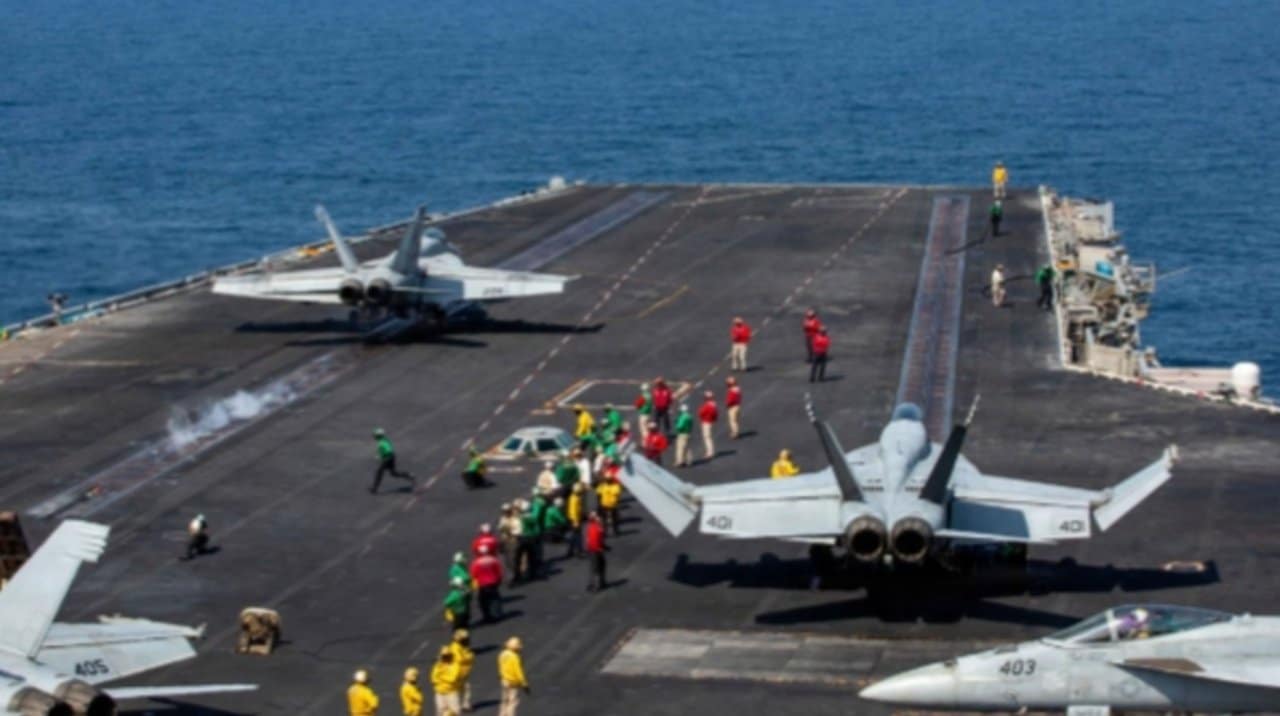
The Spanish government, through its Prime Minister Pedro Sánchez, denied the Estados Unidos permission to use jointly operated military bases on Spanish territory to carry out attacks against the Irã. Esta decision, which became public on Monday, March 2, reinforces Madri’s critical stance in relation to the “unjustified and dangerous military intervention” in the region. The condemnation of joint US and Israel military action by Sánchez signals a significant divergence within the international arena and raises questions about Washington’s alignment with its European partners.
The refusal to cede the Rota and Morón bases to U.S. military operations underscores the Espanha position that such unilateral actions contribute to a more hostile and uncertain global environment. The European nation maintains its commitment to the UN’s Carta and international legality, elements that, according to Madri, would not be respected in the current offensive. Este positioning places Espanha among the most vocal critics of the recent escalation of tensions.
Diplomatic tension and the position of Madri
The irreducible stance of Espanha was articulated by José Manuel Albares, minister of Ele reiterated Madri’s desire for “democracy, freedom and fundamental rights for the Iranian people”, but without endorsing military actions that he considers illegitimate.
The minister of Defesa, Margarita Robles, reinforced the statement, ensuring that no Spanish base was used in American military operations. Robles highlighted the importance of military operations carried out from these bases being in compliance with international legal frameworks and receiving due support from the global community. Essa requirement is seen as fundamental to Spanish sovereignty and the maintenance of the international legal order.
Implications for international relations
The decision by the Espanha to prohibit the use of its bases could have repercussions on bilateral relations with the Estados Unidos and within NATO. Prime Minister Pedro Sánchez’s statement, which criticized the offensive led by Donald Trump and Benjamin Netanyahu, has already generated comments that the world is becoming less stable. The call for a lasting political solution to the conflict resonates with a part of European diplomacy.
The conviction of Sánchez, who had previously criticized Israel’s war in Gaza and União Europeia’s response, reinforces his image as one of the most outspoken leaders of Europa. Este alignment with positions of caution and diplomacy contrasts with the view that NATO members should increase defense spending, as proposed by Donald Trump in previous years. Espanha thus reiterates its independence in foreign policy.
- The Spanish refusal highlights Madri’s autonomy in its foreign policy.
- Questioning the legality of military actions by allied governments.
- Emphasis on the need for political rather than military solutions to regional conflicts.
- Potential diplomatic friction with Washington at a time of crisis.
Reactions from other European nations
Outros European leaders also expressed concern about the recent escalation of conflicts in the Oriente Médio region. The British Prime Minister, Keir Starmer, initially prevented the use of bases like Diego Garcia, due to doubts about the legality of the attacks. Contudo, this position was revised following retaliatory strikes by the Irã, one of which hit a British airbase in the Chipre, leading the
The joint British statement with França and Alemanha, issued after the Iranian attacks, stated the intention to take measures to defend its own interests and those of allies in the region, potentially enabling necessary defensive actions. Essas actions are aimed at destroying the Irã’s ability to launch missiles and drones. The change in position of Reino Unido, although seen by some as late, reflects the complexity and volatility of the situation.
Friedrich Merz, German Chancellor, who was to meet with Donald Trump, expressed understanding of the “dilemma” of how to respond to Iran’s quest for nuclear weapons and the oppression of its people. Merz indicated that, despite doubts, Alemanha shares many of its partners’ objectives, avoiding openly criticizing military actions. Esta nuance demonstrates the search for a balance between allied solidarity and diplomatic prudence.
The call for a diplomatic solution
Ursula von der Leyen, president of the Comissão Europeia, called for a lasting “diplomatic solution” to the crisis in the Este appeal reinforces the European preference for dialogue and negotiation, in contrast to military intervention. União Europeia positions itself as an actor that seeks regional stability through peaceful mechanisms.
Continuing US and Israel attacks against Irã, as monitored by flight tracking websites, have shown the movement of US aircraft from bases in Apesar Despite the Spanish refusal to allow the use of the bases for this specific purpose, military logistics and the complexity of global operations keep the focus on the region.
The international community is closely watching developments, with the expectation that diplomacy can prevail over the escalation of violence. The voices calling for a negotiated resolution gain strength in the face of the possibility of a conflict of even greater proportions. Espanha, by vetoing the use of its military installations, sends a clear message about the limits of its participation in interventions that it considers contrary to international law and the search for peace.



