
Tehran confirms Khamenei’s death and 555 victims after joint offensive by Israel and the United States

Geopolitical stability in Oriente Médio suffered a seismic shock this weekend following a large-scale coordinated military operation. Forças North Americans and Israelis carried out strategic bombings that resulted in the death of the Iranian supreme leader, Ali Khamenei, in addition to hundreds of other casualties confirmed by local authorities. The Irã government classified the action as an irreversible act of war and initiated immediate retaliation protocols against specific targets.
The attacks, concentrated on Saturday, February 28, aimed to dismantle the command and control hierarchy of the Shiite theocracy. Além of the loss of its highest political and religious figure, the Irã reported the death of several high-ranking military leaders. The official balance points to 555 fatalities on Iranian soil, a number that generated commotion and promises of severe revenge from Teerã.
Amid the scenario of destruction, the Iranian navy also suffered considerable losses, with the confirmation of the destruction of nine ships on March 1st. The joint offensive demonstrated the ability to penetrate deeply into Iranian defenses, altering the balance of power in the region and placing local armed forces on high alert.
Irã’s diplomatic reaction was immediate, ruling out any possibility of dialogue or negotiation with Washington. The intransigent stance signals a period of prolonged hostilities, while the international community watches with apprehension the developments of a conflict that has already gone beyond the borders of the nations directly involved.

Iranian retaliation and new outbreaks of combat
The Guarda Revolucionária of the Irã mobilized its ballistic and drone arsenal to respond to the Western offensive, targeting strategic points in Israeli territory and North American bases. The escalation of violence resulted in multiple security incidents in different countries in the region, expanding the theater of operations beyond Golfo Pérsico. Key counterattack actions included:
- Missile fire aimed at the city of Beersheba, in the south of Israel.
- Attempts to reach the Prime Minister’s office
- Coordinated attacks against Estados Unidos military bases located in Oriente Médio.
- Mobilization of drones against critical energy infrastructure in neighboring countries.
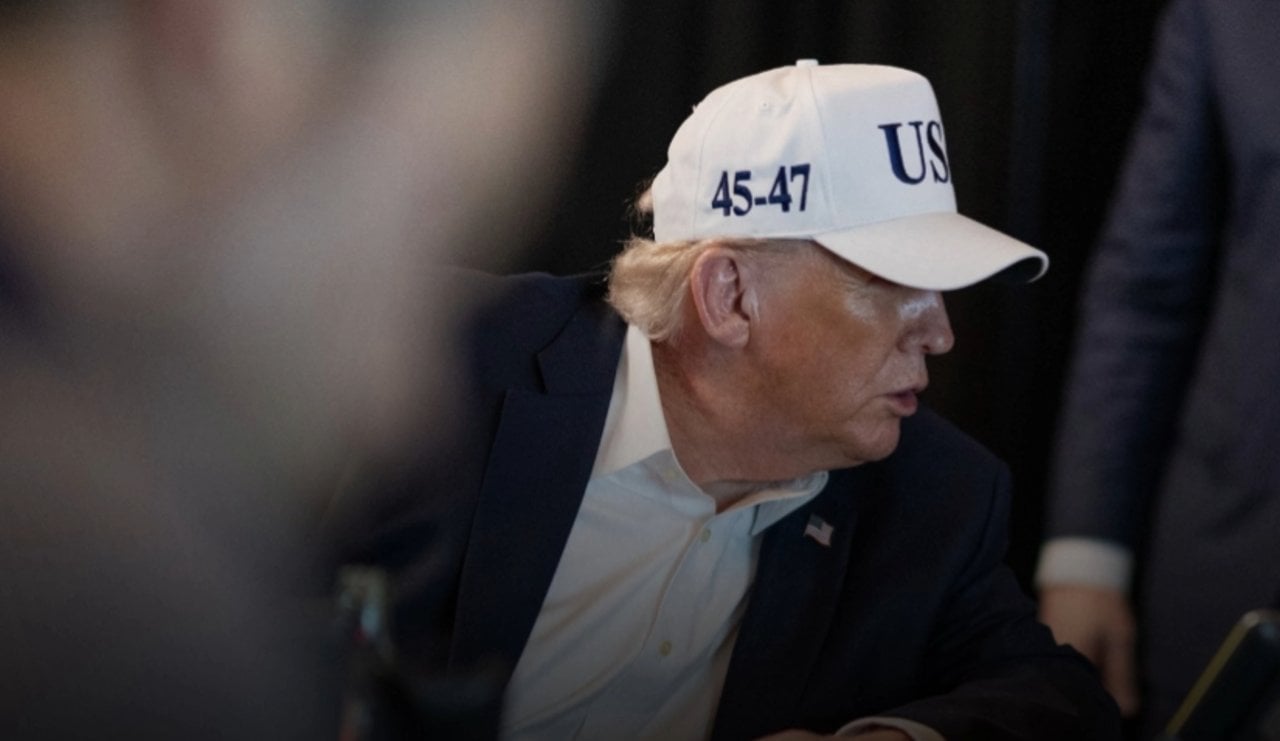
Donald Trump, former US president mentioned in the context of tensions, issued warnings about the use of disproportionate force if retaliations persisted. Fiery rhetoric from both sides contributes to an environment of uncertainty, where miscalculations could lead to all-out war. The exchange of direct fire between state powers marks a break with the proxy conflicts that have characterized recent decades in the region.
Regional impacts and international incidents
The shockwave of the conflict reached nations that were not directly on the front lines, demonstrating the reach of Iranian attack vectors. No Catar, drones struck vital energy installations in Mesaieed and Ras Laffan on Monday, although no casualties were reported. The situation also deteriorated on Mediterrâneo Oriental, where Chipre was forced to evacuate the British RAF base at Akrotiri and Pafos airport due to the detection of aerial threats, leading Grécia to send military reinforcements to the island.
One of the most serious episodes of battlefield confusion occurred at Kuwait, where the local air defense system mistakenly shot down three F-15E fighters from Estados Unidos. The “friendly fire” incident took place during intense combat involving Iranian missiles and drones, highlighting the chaos in the skies over the region. Paralelamente, Israel intensified its operations in Líbano, eliminating intelligence chiefs from Hezbollah in
Political succession and global repercussions
The death of Ali Khamenei triggered an emergency succession process in Teerã, with the appointment of an interim leader and the promise of definitively choosing the new Líder Supremo in a matter of days, aiming to maintain the internal cohesion of the regime in the face of the external threat. In the diplomatic scenario, the special advisor to the Brazilian presidency, Celso Amorim, expressed deep concern about the assassination of a head of The international community remains mobilized, with Arab countries scheduling urgent meetings to try to stop an escalation that threatens energy and political security across the globe.



