
Tiggo 5X 2027 arrives with giant panel and advanced ADAS amid obstacles in level 3 autonomous car

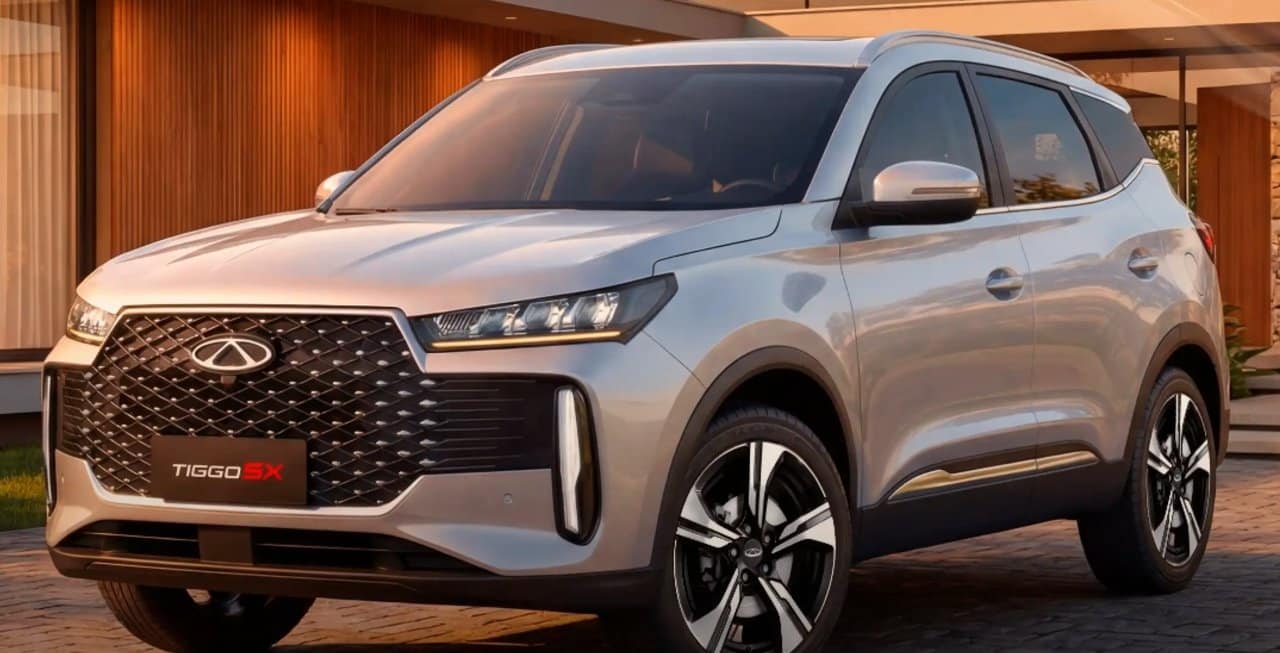
Caoa Chery launched the 2027 Tiggo 5X line with significant updates to the external and internal design. The compact SUV received a new front identity, full LED headlights and a redesigned grille. Inside, the 20.5-inch integrated panel that combines the digital instrument panel and multimedia center stands out. The model offers wireless connection for Android Auto and Apple CarPlay, a 50 W induction charger and electrical adjustments on the driver’s seat.
The safety package includes seven airbags and level 2 ADAS systems with autonomous emergency braking, adaptive cruise control and lane keeping assist. Durante evaluation on the way to São Paulo, the vehicle presented good acoustic insulation and suspension that favors comfort on uneven surfaces. The steering maintains adequate weight without excessive assistance.
Visual and technological update on Tiggo 5X 2027
The Tiggo 5X 2027 gained 18-inch diamond wheels and rear lights connected by an LED bar. Essas changes reinforce the proposal of sophistication in the compact SUV segment. The panoramic sunroof and 360-degree camera complement the equipment package.
The 150 hp 1.5 turbo engine and simulated nine-speed CVT transmission delivers torque of 22.75 kgf·m. In practice, the response to the accelerator presents a noticeable delay when taking off and restarting. Esse behavior reduces the feeling of agility compared to direct competitors.
Tread impressions highlight comfort over performance
The set favors family use with smooth running and efficient absorption of asphalt irregularities. The ADAS systems performed consistently without annoying interference. The lane keep assist operated smoothly during the tested route.
Promotional prices until the end of February range from R$119,990 to R$134,990. The Sport configuration starts from the lowest value and the Pro offers additional comfort and safety items.
Future of autonomous driving faces significant obstacles
Manufacturers have been investing in ADAS systems for around 20 years to increase active safety in vehicles. Level 3 allows conditional automation in which the driver takes his eyes off the road for other activities. The vehicle must alert and maintain control until manual resumption.
Ford plans to offer the resource from 2028. GM and Honda are also advancing similar projects. The Tesla provides a semi-autonomous system that has already recorded accidents in the Estados Unidos.
Technical challenges and high costs delay level 3
Mercedes-Benz made level 3 available in the US but discontinued the program due to speed limitations and restricted conditions. Stellantis suspended initiatives due to high costs and uncertainty about real consumer demand.
Executives point out difficulties in the safe transition between autonomous and human control. Questões of legal responsibility complicate adoption. Developing a level 3 system can cost up to US$1.5 billion.
Nissan Kait arrives as a renewed option in the entry segment
The Nissan Kait replaces the Kicks Play with visual updates to the front and rear. The platform maintains the base of the previous model with minimal gain in wheelbase. The trunk offers 432 liters and the tank has 41 liters.
The 1.6 flex engine delivers 113 hp on ethanol and a six-speed CVT transmission. Consumption Inmetro varies from 7.8 km/l in the city with ethanol to 13.7 km/l on the highway with gasoline. The range is limited by the small tank.
Style attracts but limitations appear in the dynamics
In the evaluation, the Kait conveys confidence in curves and maintains braking efficiency on descents. The top version’s finish includes leather on the seats and adaptive cruise control. The 9-inch multimedia supports wireless connections.
The behavior of the CVT and naturally aspirated engine generates noise when overtaking and delays during strong acceleration. Urban use is more enjoyable when high performance is not required.
Global recall affects Volvo EX30 due to battery risk
Volvo recalled 40,323 EX30 units in several countries including the USA and Brasil. The problem involves the risk of overheating in the batteries, which could lead to fire. Proprietários received guidance to limit charging to 70% and park away from structures.
The defective batteries came from a supplier linked to the controller Geely. The company prioritizes security and will replace modules free of charge. Similar Casos have occurred with other manufacturers in the past.



