
Total eclipse brings new discoveries about Earth’s atmosphere and highlights amateur astronomy


The astronomical event that occurred on March 13, 2025 was consolidated as a milestone for collecting data on celestial mechanics and the planet’s atmospheric composition. Naquela ocasião, o alinhamento perfeito entre Sol, Terra e Lua resultou em um eclipse total que permitiu aos pesquisadores uma janela de observação privilegiada. The satellite’s passage through the Earth’s umbra generated information that continues to be processed and analyzed by research institutions this year.
The reddish color observed during the phenomenon was not just a visual spectacle, but a direct indicator of the health of Terra’s atmosphere. Partículas in suspension and the density of clouds around the globe filtered sunlight, allowing only longwave spectra to reach the lunar surface. Esse process provided scientists with an “x-ray” of global environmental conditions at that specific time.
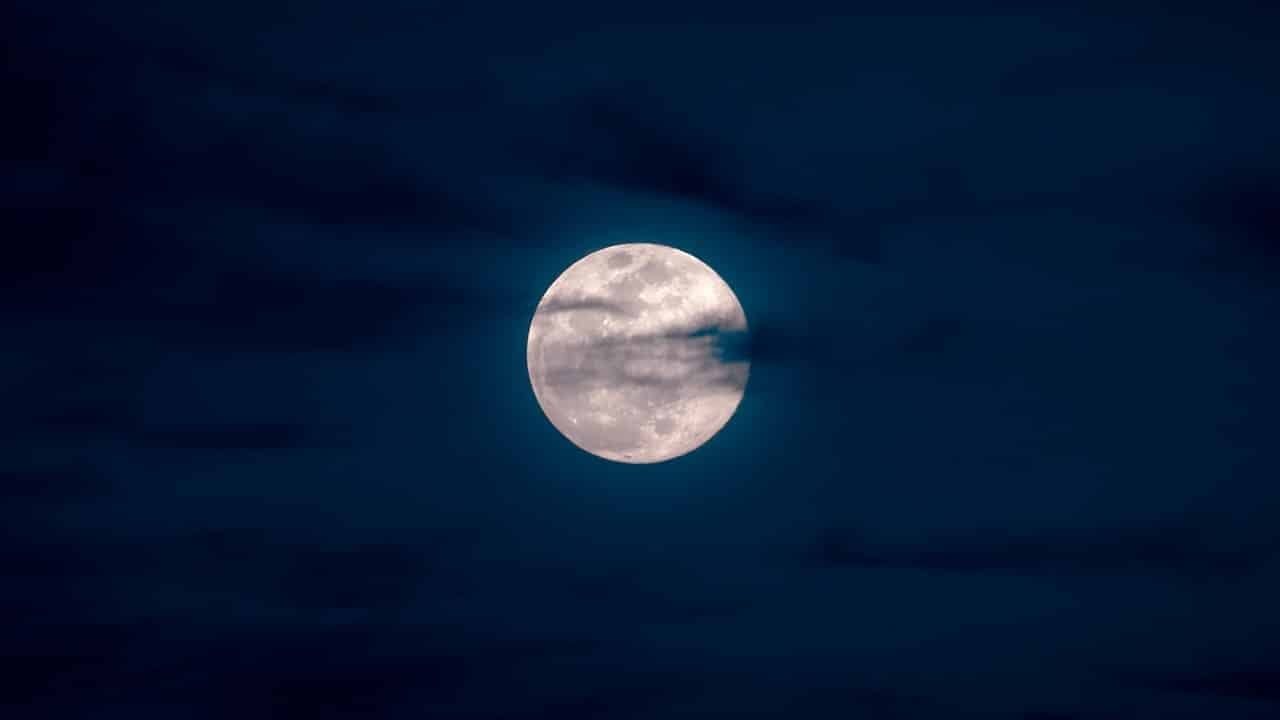
Observatories located in strategic regions reported ideal visibility conditions, which facilitated the capture of high-resolution images and detailed spectrograms. Collaboration between space agencies and networks of independent astronomers ensured complete coverage of the event, from the penumbral phase to maximum totality, creating a robust database for future studies.
Physical mechanisms of refraction
The specific hue acquired by Lua during the eclipse is determined by the dispersion of Rayleigh, the same physical principle that gives the daytime sky its blue color. The Earth’s atmosphere acts as a converging lens that deflects solar rays towards the shadow cone.
During the March 2025 event, the intensity of the red was particularly pronounced, suggesting a relatively clear atmosphere in the stratosphere. The absence of large recent volcanic eruptions contributed to light passing through layers of air with less obstruction by aerosols.
The computer models were fed with brightness variations recorded minute by minute. Essas measurements help refine understanding of how light interacts with different air densities and pollutants.
Each eclipse has a unique light signature, acting as an instant historical record. Comparison with eclipses from past decades allows climatologists to draw parallels about changes in atmospheric transparency over time.
Privileged conditions in Brownsville
The region of Marina of Brownsville stood out on the international scene due to the atmospheric stability and low light pollution recorded on the date of the event. The geographic location allowed observers to follow the complete cycle of the eclipse without the visual interference common in large cities, resulting in photographic records that became a reference for documenting the phenomenon. The clarity of the horizon at that particular latitude made it possible to see details on the lunar surface that are usually obscured by air turbulence.
Local engagement transformed observation into a meaningful community activity, attracting enthusiasts and experts to open areas. The absence of dense cloud cover during the critical hours of totality ensured that measuring equipment operated at maximum capacity, validating Brownsville as a point of strategic interest for ground-based observational astronomy. The images captured in the region were widely disseminated, serving as a basis for comparative analyzes with records made in other hemispheres.
Thermal and geological analysis
For the scientific community, the value of the eclipse transcended aesthetics, functioning as a full-scale thermal experiment impossible to replicate in the laboratory. Quando direct sunlight is blocked by Terra, the temperature on the lunar surface drops dramatically in a matter of minutes, creating a thermal shock that reveals fundamental properties of the lunar regolith. Instruments pointed at the satellite during totality measured how quickly different regions lost heat, allowing geologists to map the density and conductivity of rocks from a distance. Áreas with solid rocks retain heat longer than regions covered in fine dust, and this thermal differentiation has helped refine the geological maps that are essential for planning future exploration and landing missions, offering data on the roughness and composition of the soil that orbiting satellites cannot always detect with the same thermal precision.
Importance for the study of exoplanets
The transmission spectroscopy technique used during the eclipse served as a crucial test for the search for life outside of Sistema Solar. By analyzing the light that passed through Terra’s atmosphere and reached Lua, astronomers were able to see what our own planet would look like to a distant observer.
Key elements identified in the spectral signature included:
- Water vapor and molecular oxygen;
- Stratospheric ozone;
- Carbon dioxide and methane.
This calibration data is fundamental for new generation telescopes. Eles provide a reliable standard of comparison for when these instruments analyze the atmospheres of rocky exoplanets transiting in front of their stars, helping to distinguish real biosignatures from geological false positives.
Security and visual accessibility
Unlike solar eclipses, which require strict eye protection, the 2025 lunar phenomenon could be observed with the naked eye in complete safety. The light reflected by the Lua, even during the full phase, has an intensity that does not cause damage to the human retina, democratizing access to the event for people of all ages without the need for special filters.
The use of simple optical instruments, such as binoculars and amateur telescopes, enriched the experience for the general public. Esses equipment allowed the visualization of lunar craters and seas bathed in reddish light, encouraging interest in practical astronomy and understanding basic orbital movements.
Legacy of collected data
The information obtained on March 13, 2025 continues to generate academic articles and reviews of climate models. The integration between surface temperature data from Lua and the spectral analysis of the Earth’s atmosphere created a multidisciplinary collection that will serve as the basis for comparative studies in the coming decades.
Global participation and citizen science
The mobilization around the eclipse demonstrated the strength of citizen science in the modern era. Milhares of images sent by amateurs from different parts of the world helped scientists compose a global mosaic of the viewing conditions and exact coloration of Lua at different times.
This massive collaboration made it possible to fill gaps that professional observatories, geographically limited, would not be able to cover alone. The union of efforts between academia and the public reinforced the importance of scientific dissemination and continuous monitoring of celestial phenomena.




