
Unique structure of the Cell processor requires recreation of codes for PS3 games to run on PC


The technical legacy of the PlayStation 3 turns two decades old and continues to represent one of the most complex challenges for preserving the history of video games, requiring innovative approaches from software engineers. The hardware architecture of the Sony, originally released in 2006, is based on an asymmetric processing design that challenges traditional brute-force emulation methods. Despite significant performance and visual fidelity barriers, experts and studios are moving away from direct hardware simulation in favor of more sophisticated alternatives to keep classic titles accessible on modern platforms.
The central difficulty lies not only in the computational power required to replicate the console environment, but in the fundamental way in which data was managed and transferred internally by the system. Enquanto Current computers and modern consoles operate under the standardized x86 architecture, the Sony device used proprietary logic that required developers to perform an extreme level of parallelism and manual memory management.
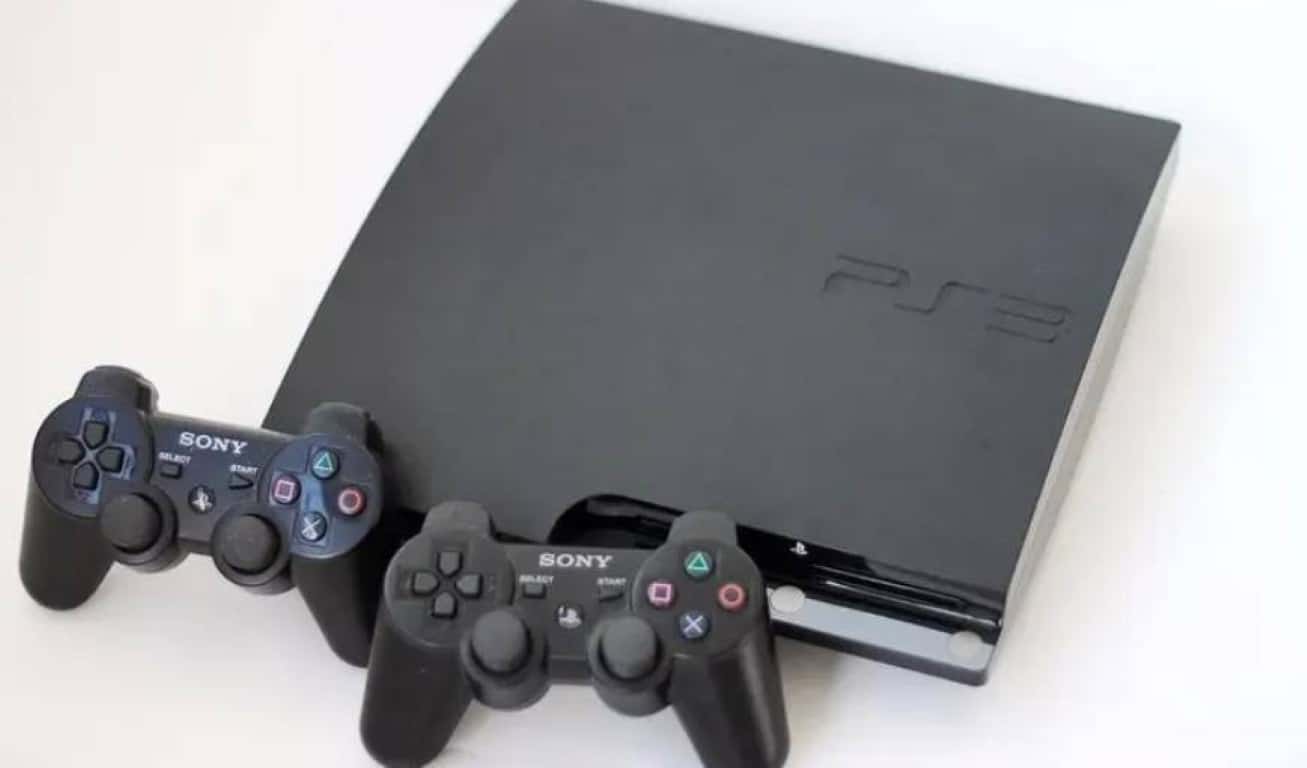
This architectural discrepancy creates a technical chasm that conventional emulation struggles to cross, often resulting in instability or prohibitive hardware requirements for the end consumer. Para To circumvent these physical and logical limitations, the gaming industry has invested increasing resources in adapting the original source code, seeking solutions that translate the language of the old machine to contemporary processors.
Barriers of exotic architecture
The heart of the problem lies in the configuration of the Cell Broadband Engine processor, the result of a historic collaboration between technology giants to create a chip that combined a general-purpose main core with eight synergistic processing units. Essas auxiliary units were dedicated to intense mathematical calculations and specific tasks such as particle physics and audio processing, creating a workflow radically different from traditional linear computing.
For game creators at the time, getting the most out of this system meant delegating complex functions to these satellite units, orchestrating perfect synchronization between nine distinct cores. Simular this processing “dance” on a modern computer requires a monumental computational effort, as any delay in response between the emulated main core and auxiliary units results in catastrophic failures such as crashes, graphical errors or audio desynchronization.
The need for temporal precision makes direct emulation an often inefficient task, requiring high-end computers to run older titles at an acceptable frame rate. The complexity of the original hardware acts as a bottleneck, preventing the simple evolution of PC power from automatically solving compatibility problems.
Static recompilation as a definitive solution
Faced with the limitations imposed by emulation, the technical community and industry have turned their efforts to static recompilation as the most promising route to digital preservation. Este method involves translating instructions from the original game code into a language that modern processors can understand natively, eliminating the real-time translation layer that consumes so many system resources.
By converting the Cell processor instructions to the current architecture, it becomes possible to run games with much higher performance than the original hardware. Essa approach allows software to directly utilize the capacity of new chips, removing intermediaries that cause latency and energy inefficiency when running applications.
The benefits of this technique go beyond simple compatibility, offering tangible improvements in the user’s quality of life and visual performance. Executar code natively opens the door to removing frame rate caps, implementing 4K resolutions, and using SSD storage to drastically reduce load times, modernizing the classic experience without changing its essence.
Additionally, visual and auditory errors that are common and persistent in emulation can be definitively corrected in the translated source code. Isso ensures that the preserved version of the game is not only functional, but as stable and polished as possible, often surpassing the original experience offered on the console from two decades ago.
Future of preserving large franchises
The urgency for these technical solutions manifests itself mainly in major productions that defined the generation, such as the tactical espionage sagas of Konami or the cinematic adventures of Naughty Dog. Esses titles utilize the hardware in such a deep and specific way that simple emulation fails to reproduce the correct experience, creating visual artifacts or logic problems that compromise gameplay.
Recompilation makes it possible to decouple these complex works from old hardware, ensuring that they remain accessible to new audiences without the need for consoles that were no longer manufactured years ago. By treating games as digital assets that must be ported and adapted, rather than just software to be imitated, the industry ensures that the console library is not lost due to the obsolescence of physical components.
The move towards code translation represents a maturity in the way the sector deals with its own past. The future of PlayStation 3 preservation depends less on the ability to imitate the old machine and more on the ability to free the software from its original shackles, allowing the history of video games to live on on new platforms.




