
Apple’s urgent update resolves battery drain and prepares the ground for the unprecedented iPhone 17e

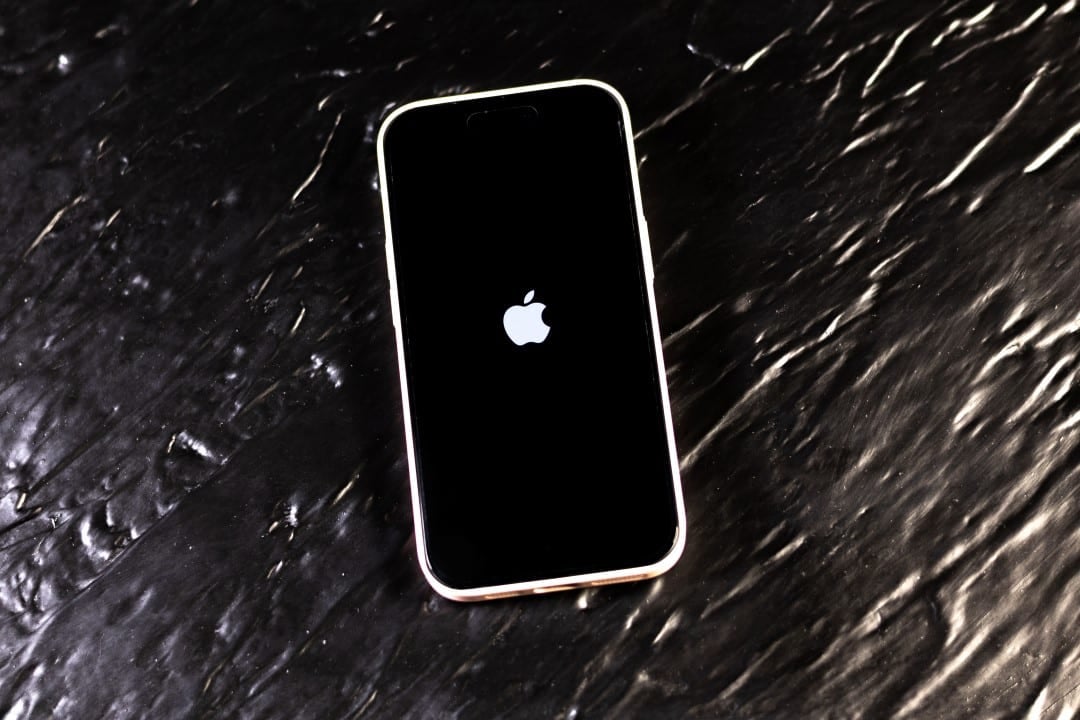
The Cupertino-based technology giant has finalized the development of a new software build for its mobile devices, aiming to fix critical flaws reported by users in recent weeks. Registros of traffic on data servers confirm that the company’s engineers are already using the iOS 26.3.1 version in closed tests, which signals an imminent launch for the general public. Essa move occurs at a strategic moment, adjusting the brand’s digital ecosystem to receive new hardware products scheduled for next month.
This intermediate update comes as a direct response to complaints about instability in power management and security vulnerabilities detected after the release of iOS 26. The expectation is that the file will be made available via “over the air” (OTA) for all compatible models, without the need to go through a public beta phase for external developers.

The certification timeline indicates that the company plans to stabilize the software environment before the “Apple Experience” event, scheduled for early March. Synchronization between hardware and software continues to be the manufacturer’s pillar, and ensuring that new devices reach stores without the bugs that affected previous generations is the board’s absolute priority in the first quarter of 2026.
Technical adjustments and internal stability
The new version of the operating system was detected by tracking “user agents” on large technology portals, such as MacRumors. Esses digital identifiers revealed access from devices running iOS 26.3.1 within Apple’s facilities, Califórnia and remote development centers. The growing volume of this data suggests that the field testing phase has already been overcome and the final compilation is close to being digitally signed for global distribution.
Software engineers estimate that the installation package should vary between 200 MB and 500 MB, depending on the iPhone model and the version of the system the user already has installed. As it is an update focused on maintenance, no changes to the graphical interface or the addition of new visible features are expected. Intense work in this release focuses on the kernel structure and the drivers that control the hardware.
The absence of a public beta cycle reinforces the urgency and specificity of the update. Historicamente, the company adopts this stance when it needs to close security holes that cannot wait or when there is an error affecting the basic user experience, such as cellular connectivity or battery life. Rigorous internal validation seeks to ensure that correcting one problem does not lead to the emergence of others, a constant challenge in complex operating systems.
Optimizing energy consumption
One of the main vectors for the accelerated release of iOS 26.3.1 is the excessive battery drain reported by owners of models such as the iPhone 15 and iPhone 16. The company acknowledged that changes to the user experience may be linked to background processes that are not “sleeping” correctly.
The problem is related to the implementation of new visual resources, such as the Liquid Glass interface and Inteligência Artificial routines that run locally on the device. Essas functions require constant cycles of the CPU and NPU (Processamento Neural Unit), which drains the power reserve quickly without proper optimization. The new update should bring fine adjustments to power management algorithms to mitigate this impact.
Preliminary tests on control units indicate that the corrections applied in iOS 26.3.1 can offer an autonomy gain of up to 10% compared to the current version. Essa improvement is achieved through more aggressive controls over which applications can wake the main processor and for how long, as well as refinements in RAM allocation for multitasking.
Reinforcement of security layers
In addition to battery issues, digital security remains a central pillar of this update. iOS 26.3 had already implemented more than 20 security fixes, from flaws in the WebKit rendering engine to vulnerabilities in the kernel. Version 26.3.1 should expand this protection, addressing exploits discovered in recent weeks by security researchers and which have not yet been publicly disclosed to prevent use by malicious actors.
In the global scenario where cyber threats become increasingly sophisticated, maintaining system integrity is vital, especially with the smartphone centralizing users’ financial and personal lives. Espera The update is expected to close ports that could allow arbitrary code execution or unauthorized access to location and microphone data by malicious third-party applications.
The expectation is that the update will be released simultaneously for iPadOS and macOS, ensuring that protection covers the entire ecosystem. Security version parity between iPhone, iPad and Mac is crucial for the secure operation of continuity features such as Handoff and Área of Transferência Universal.
Compatibility with iPhone 17e
The iOS 26.3.1 source code contains direct references to new hardware identifiers, signaling native support for the long-awaited iPhone 17e. Este model, positioned as the entry-level option in the brand’s modern line, should be the star of the March event. The inclusion of basic drivers in this update ensures that the device can communicate with the activation servers and restore backups without incompatibilities as soon as it is turned on by the consumer.
Behind-the-scenes information indicates that the iPhone 17e will come equipped with the A19 chip, an evolution focused on energy efficiency, and full support for the MagSafe accessory ecosystem. Para For these technologies to work correctly, the operating system must contain specific thermal instructions and power management profiles targeted to the architecture of this new processor. Anticipation avoids the need for a large “day-one patch”.
The estimated price of US$599 for the North American market puts the iPhone 17e in a competitive range. The company’s strategy involves offering a device with an updated design, including an edge-to-edge screen and improved 5G connectivity, but with an optimized production cost. Software plays a fundamental role in this equation, ensuring that the hardware delivers a fluid experience even if it is not from the “Pro” line.
Future perspectives and iOS 27
While the engineering team works on immediate fixes for iOS 26, strategic planning for the future of the operating system is already underway. The development of iOS 27 follows a similar philosophy to that adopted at the time of iOS 12: prioritizing stability and performance above complete visual revolutions. Após the criticism about the inconsistency of iOS 26, the company seeks to solidify confidence in the robustness of the platform.
Rumors indicate that iOS 27, scheduled to be presented at WWDC in June and released in final version in September, will bring significant advances in Inteligência Artificial, as a result of possible strategic partnerships. However, the implementation of these features will be done with caution so as not to compromise system speed on older devices. Maintaining compatibility with models from iPhone 11 onwards requires that the software is light enough to ensure the longevity of the hardware.
The smooth transition between the current cycle and the next major release depends on the success of interim updates like 26.3.1. By solving the current battery and performance problems, the manufacturer clears the ground so that the new features of iOS 27 are well received, without the “noise” caused by persistent bugs. The objective is to prevent users from delaying the update for fear of loss of performance, behavior that fragments the installed base and harms the overall security of the network.



