
Astronomical phenomenon in March will bring a total eclipse lasting almost an hour and reddish in color

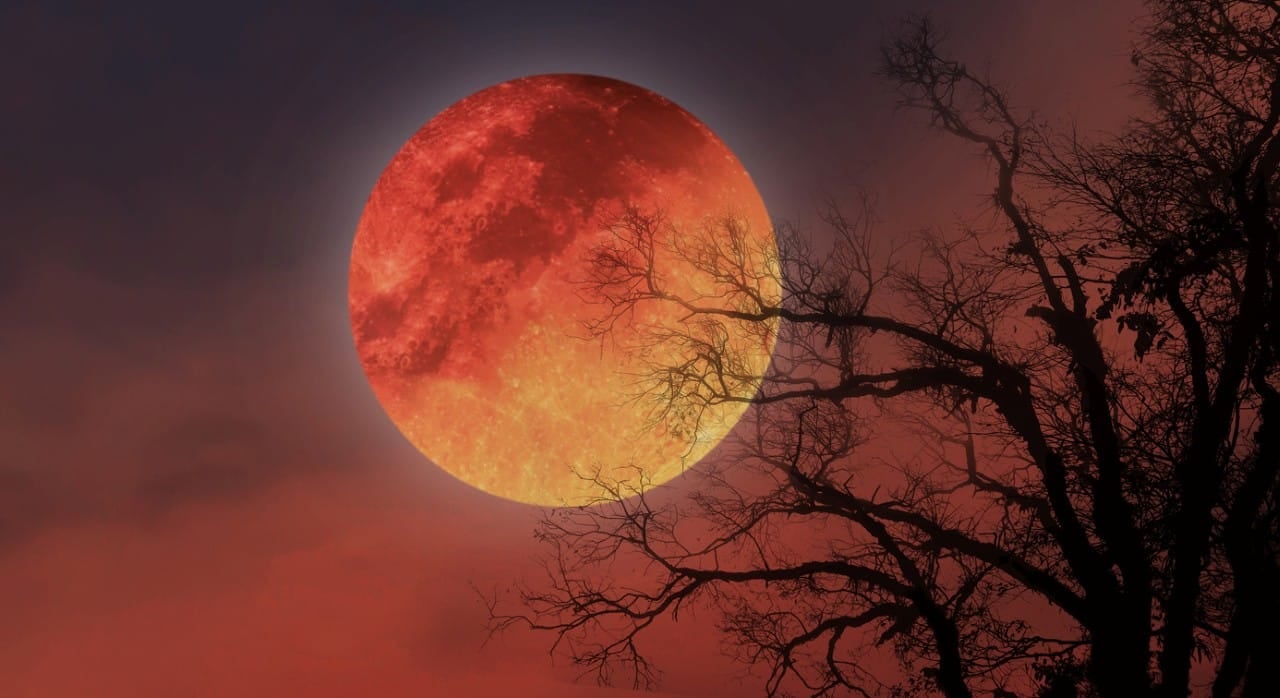
The orbital alignment between Sol, Terra and Lua will provide a celestial event of great magnitude on March 3rd. Observadores located in specific bands of the Earth’s globe will be able to follow the complete darkening of the natural satellite, which will gain a characteristic tone due to the interaction of sunlight with the planet’s atmosphere. The phenomenon, which arouses interest from both the scientific community and amateurs, will have a phase of totality estimated at 58 minutes.
Astronomers highlight the relevance of this event as it is the last total lunar eclipse visible on a global scale before a hiatus that should last until the end of 2028. The scarcity of similar events in the next two years increases the importance of data collection during this period, allowing in-depth studies on atmospheric conditions and the orbital mechanics involved. The opportunity is considered unique for validating astronomical models and for high-precision photographic recording.

The mechanics of the event involve Lua passing through the shadow projected by Terra, known as the umbra, blocking direct sunlight. Diferente of solar eclipses, where occultation is total and the sky suddenly darkens, in this case the satellite remains visible, but with a drastically altered luminosity. The total duration of the process, from entry into the shadows to complete exit, will exceed five hours, requiring patience and planning on the part of spectators.
Geography and areas of privileged visibility
The geographical location will be decisive for the quality of the observation, favoring regions where the phenomenon coincides with the night or early morning. West of América from Norte figures to be one of the most strategic points for viewing, with cities such as Conditions on Oceano Pacífico and on islands far from the continents are also considered ideal, offering a clear horizon free from physical obstructions.
In the Eastern Hemisphere, Ásia and Oceania will have a different perspective, with the event taking place during the local night. Moradores from large centers such as Tóquio and Sydney will be able to follow the development of the eclipse at comfortable times, which should boost astronomical tourism in these locations. The position of Lua in the sky will facilitate image recording and naked-eye observation in these areas.
In contrast to privileged areas, other parts of the world will not have visual access to the alignment. Regiões areas such as África, western Ásia and most of the European continent will be positioned so that Lua will remain below the horizon during the crucial moments of the eclipse. Para the inhabitants of these areas, the alternative will be to follow internet transmissions carried out by international observatories.
Atmospheric physics and the reddish color
The reddish hue that the satellite takes on during the totality phase is explained by a physical phenomenon known as Rayleigh dispersion. The Earth’s atmosphere acts like a giant filter, dispersing the wavelengths of blue light and allowing the predominant red and orange spectrums to pass through. Essa residual light is refracted toward the lunar surface, creating the visual effect that popularized the term Lua from Sangue.
Variations in color intensity may occur and serve as indicators of the atmospheric health of Terra at the time of the eclipse. The presence of suspended particles, such as volcanic ash, storm dust or urban pollution, tends to darken the satellite even more or intensify the deep red. Cientistas use eclipse colorimetry to analyze the composition of the stratosphere and refine data on light scattering on a global scale.
Detailed timeline of the phenomenon
The sequence of events will follow a strict universal time, starting with the penumbral phase at 08:44 UTC, when the darkening is subtle and difficult to perceive with the naked eye. The partial phase, the moment in which the shadow of Terra begins to “bite” the lunar disk, is scheduled to begin at 09:50 UTC. The peak of the show, the entirety, will occur between 11:04 and 12:02 UTC, with the maximum moment of alignment recorded at 11:33 UTC.
After 58 minutes of reddish darkness, the process enters its regressive stage. Lua will gradually leave the Earth’s umbra, returning to its usual color until the definitive end of the penumbral phase at 2:23 pm UTC. The complete cycle, including all stages of entering and exiting the shadow, will last approximately 5 hours and 39 minutes, providing an extensive window for observation.
Guidelines for observers
Eye safety is a significant advantage of lunar eclipses compared to solar eclipses, eliminating the need for filters or special glasses. The phenomenon can be seen directly with the naked eye without any risk of damage to vision. Contudo, the use of optical instruments such as binoculars or small telescopes is highly recommended for anyone who wants to capture details of the lunar surface, such as craters and the texture of shadows during the phase transition.
The success of the observation directly depends on local meteorological conditions and prior planning. Especialistas suggest moving to rural areas or places away from the light pollution of big cities, which increases the contrast of the sky and enhances the colors of the eclipse. Checking the weather forecast in advance is crucial, as the presence of dense clouds or rain can completely derail the visual experience.




