
Automotive survey warns of chronic failures and depreciation in popular SUV models

Acquiring a brand new vehicle remains one of the main financial objectives of Brazilian families, representing a significant budgetary commitment, especially in a scenario where the current minimum wage is R$1,621. However, recent data on reliability and consumer satisfaction, based on analyzes by international bodies such as Consumer Reports, reveal that choosing certain utility models can turn into an ongoing loss. Durability and mechanical strength are critical factors in the Brasil, where road infrastructure requires robust suspension assemblies and efficient engines.
Technical investigation shows that not all SUVs available on the market deliver the robustness promised in their marketing campaigns. Falhas recurring problems in vital systems, combined with an internal finish below what was expected for the price range, have led owners to visit mechanic workshops much earlier than expected. Além of the logistical disruption, the impact on the pocket is immediate, as spare parts for sports utility vehicles tend to have high prices compared to sedans or compact hatchbacks.
Another determining factor for the driver’s financial health is the accelerated depreciation rate observed in these problematic models. Veículos with a known history of chronic defects tend to be rejected by the pre-owned market, forcing the owner to drastically reduce the resale price in order to close a deal. The combination of frequent corrective maintenance and loss of market value creates an unsustainable “total cost of ownership” scenario for many household budgets.
Experts recommend extra caution and in-depth research before signing the purchase contract. Detailed technical analysis separates attractive design from reliable engineering, highlighting that the robust aesthetics of some SUVs hide structural and electronic weaknesses that manifest themselves after just a few months of intense use in an urban or highway environment.
High operating costs in the premium segment
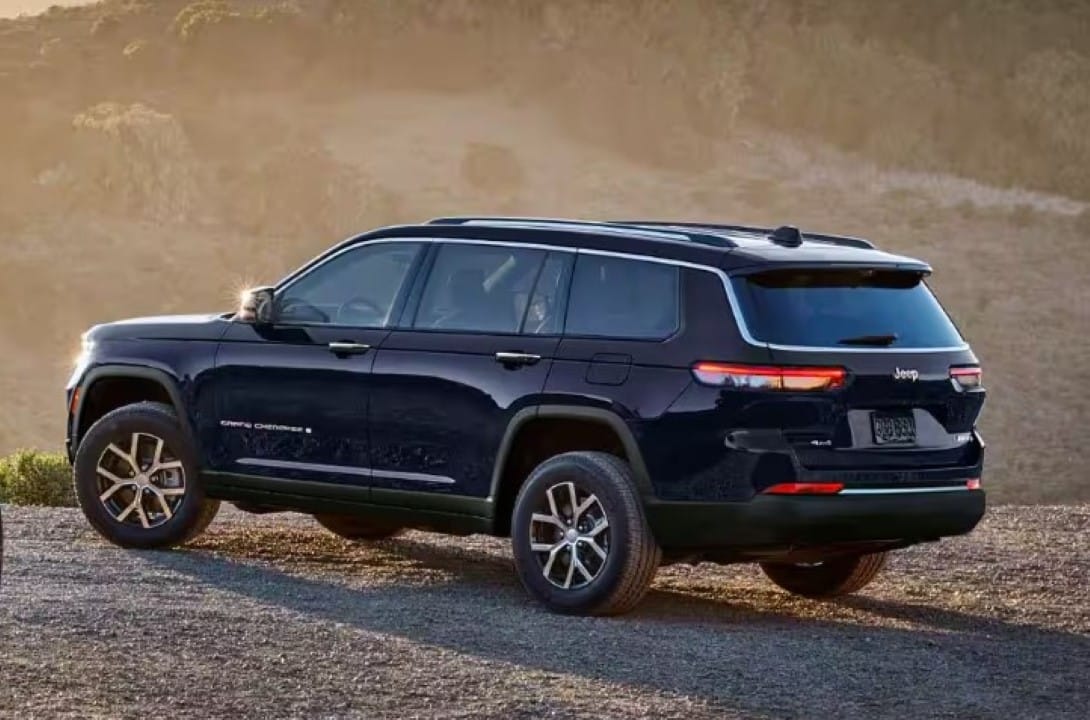
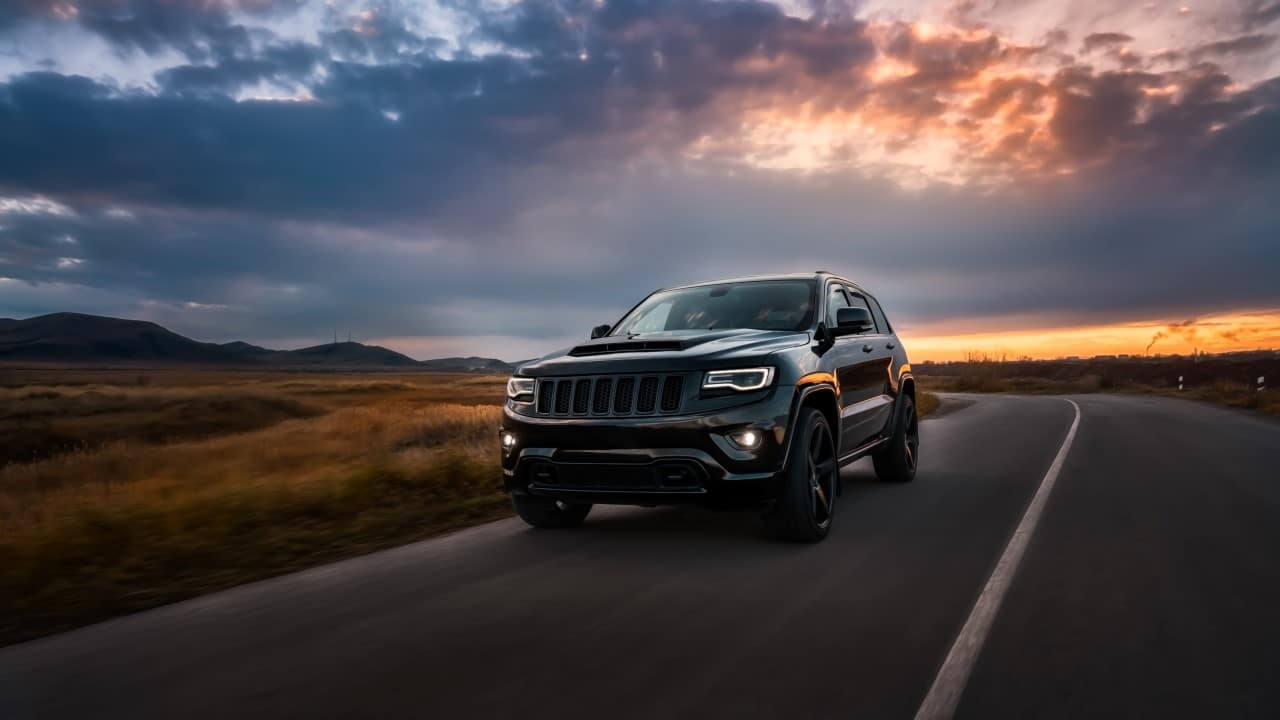
The Jeep Grand Cherokee is among the vehicles that require extra attention from consumers, mainly due to the disproportion between the amount invested and the reliability delivered. Testes practical data indicate that the model’s energy efficiency is low, resulting in fuel consumption that significantly burdens the monthly budget of Brazilian drivers, who already deal with unstable prices at the pumps.
Reports from owners and mechanical analyzes point to a worrying weakness in the suspension system, which does not seem to deal well with the irregularities typical of national asphalt. Além In addition, the transmission system has shown irregular behavior, requiring complex and expensive interventions outside the warranty period, which reduces the attractiveness of the model in the long term.
The maintenance of this large utility vehicle is costly not only due to the parts, but also due to the specialized labor required for accurate diagnoses. Comparado compared to direct rivals from Japanese or German brands, the model has a frequency of unscheduled stops higher than the category average, compromising the vehicle’s availability for daily use.
Discomfort and spatial limitations in medium models
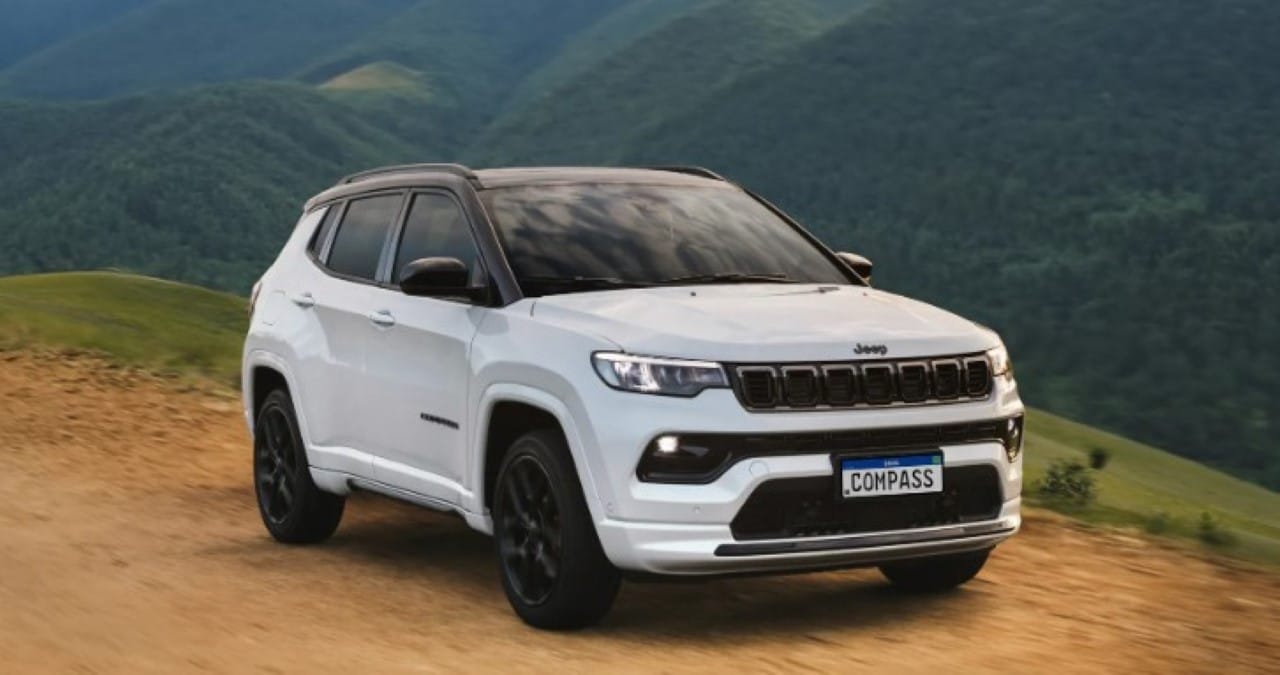
In the medium SUV segment, the Jeep Compass faces specific criticisms related to the calibration of its suspension and the use of internal space. The rigidity of the mechanical assembly excessively transfers imperfections in the ground to the cabin, creating discomfort for occupants on long journeys or on roads with degraded pavement, a common reality in several capitals in the country.
The ergonomics of the rear seat are also cited as a negative point, offering restricted accommodation for adults, which contradicts the vehicle’s family proposal. Somado In addition, performance on pick-ups and hills is considered modest for the category, frustrating drivers who expect a more agile response from a sales leader, especially when the vehicle is fully loaded.
Finishing and technology issues in the luxury sector
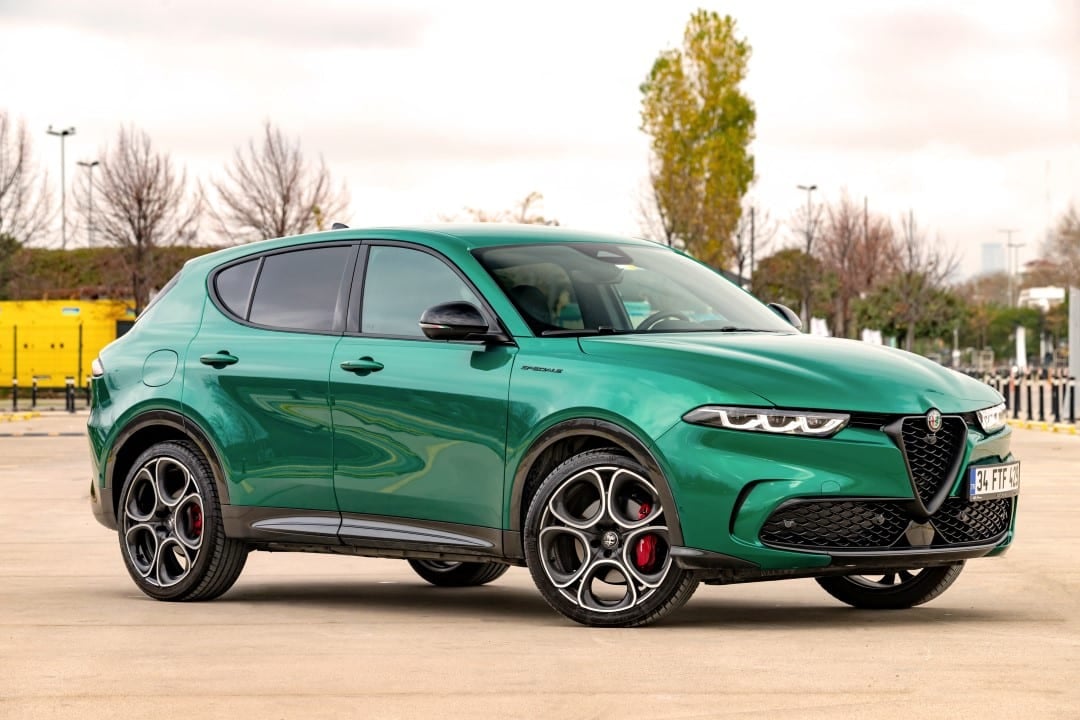
The sophistication expected in luxury brands does not always translate into impeccable construction quality, as the case of the Alfa Romeo Tonale demonstrates. The model has received negative reviews regarding the simplicity of the materials used in the interior finishing, which do not match the brand’s premium positioning and the high price charged at dealerships.
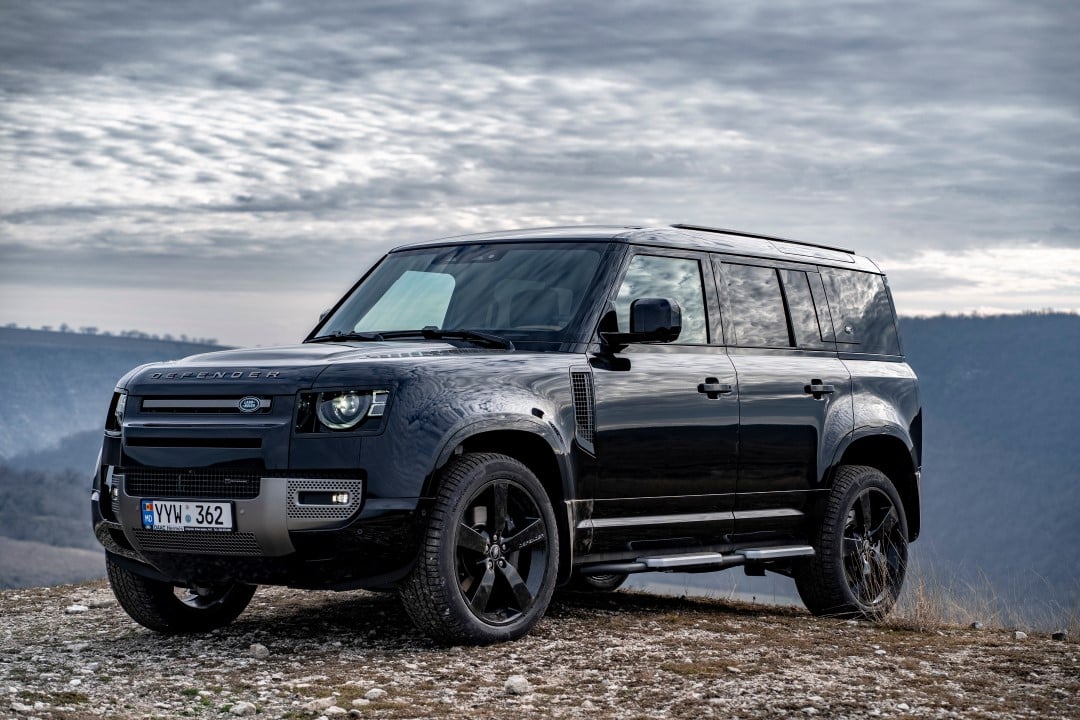
In the case of the Land Rover Defender, an off-road icon, the issue lies in the technological obsolescence of its driving assistance systems. Enquanto competitors are rapidly advancing in the implementation of active safety and semi-autonomous driving features, the model presents solutions that are already considered outdated, reducing the driver’s protection network.
The complexity of the electronic systems in these high-end vehicles creates another challenge: difficult-to-diagnose software failures. Proprietários report intermittent breakdowns that dealerships often take a long time to resolve, creating a costly dependence on the authorized network and generating uncertainty regarding the vehicle’s reliability on long journeys.
Ergonomics and user interface are also points of attention. Comandos unintuitive and multimedia centers that show crashes or slow response affect the daily experience of use, transforming onboard technology, which should be a convenience, into a source of constant irritation for the driver.
Challenges in electrification and off-road capability
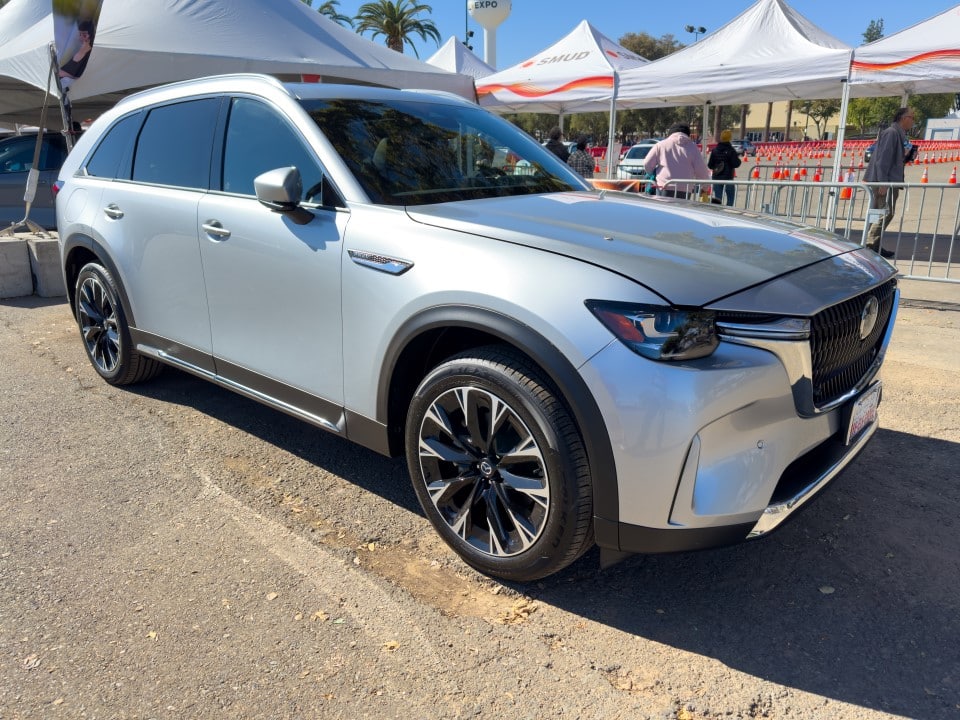
The transition to electrification brings its own challenges, exemplified by the Mazda CX-90 in its hybrid version. The complexity of the integration between the combustion engine and the electrical system has resulted in propulsion failures, requiring time-consuming repairs that negate the theoretical fuel economy advantage promised by hybrid technology.
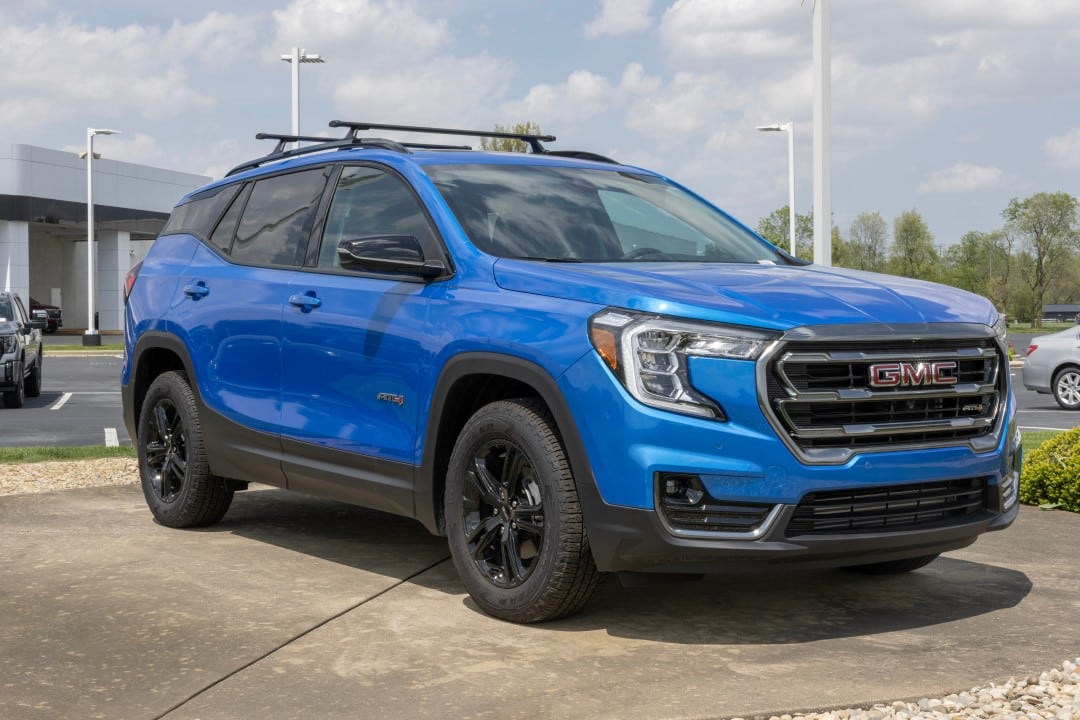
The GMC Terrain, in turn, disappoints consumers looking for real versatility for rough terrain. Instability on uneven surfaces and the fragility of front suspension components make the model unsuitable for off-road use, contradicting the adventurous image often associated with the brand.
Consolidated alternatives and financial security
Faced with the risks presented by models with a history of failures, the market offers options that prioritize robust engineering and respect for the consumer. Veículos like the Honda Passport and Toyota Highlander stand out for their predictable mechanics and low rate of breakage, ensuring a smoother ownership experience. The Subaru Crosstrek appears as a viable alternative for those looking for efficient all-wheel drive and greater internal space, while the BMW X1 delivers the technology and refined finish that are often lacking in direct competitors.
Choosing brands with a broad support network and positive after-sales history is the smartest strategy for protecting assets. Liquidity at the time of resale and lower annual depreciation are direct benefits of choosing models with a good mechanical reputation. Evitar the “traps” of problematic models can represent savings of more than five thousand reais per year in corrective maintenance alone, not to mention preserving the value of the asset in the long term.




