
Bandai officially returns the classic Pokémon dice game with new strategy mechanics

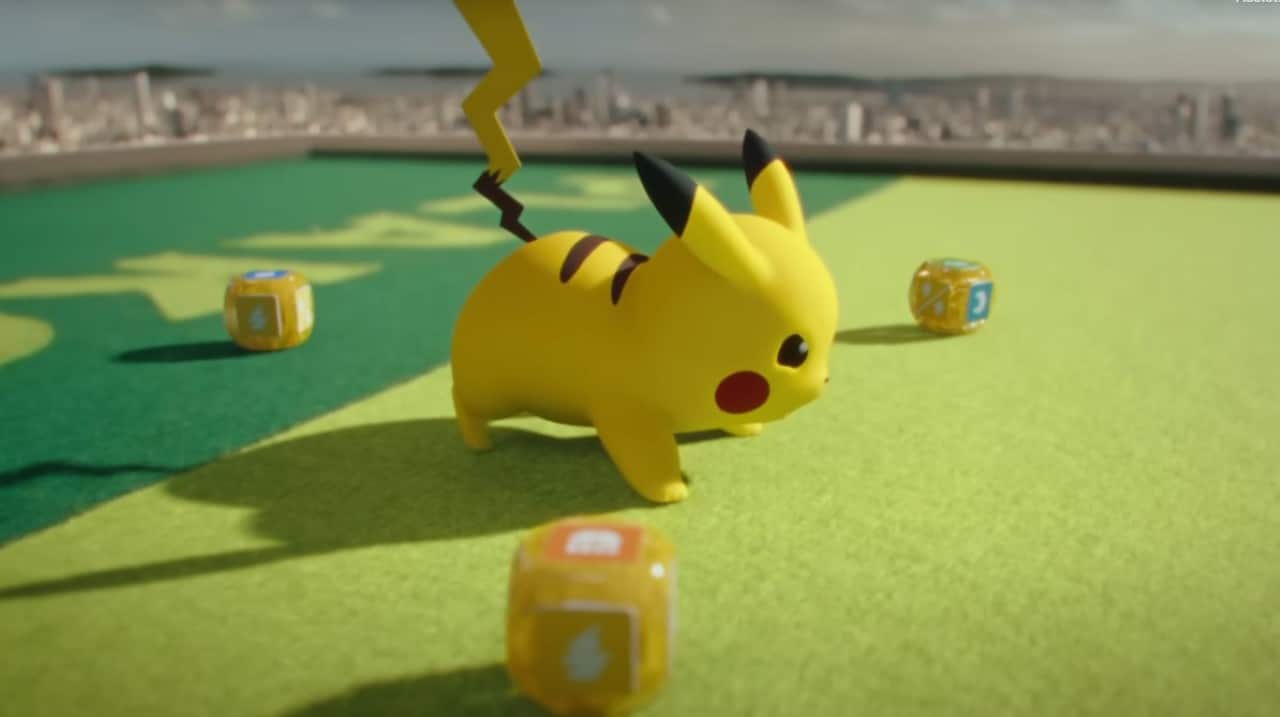
The Pokémon Company and Bandai Spirits confirmed this week the relaunch of a historic product to celebrate the franchise’s thirtieth anniversary. The battle system known as Plakoro, originally launched in 1997, will return to the Japanese market in July this year with a renewed proposal. The initiative aims to revive the tactile experience of tabletop games, combining the nostalgia of veteran fans with updated rules to attract new audiences.
The announcement was accompanied by the debut of an official website and video promotional materials detailing the gameplay changes. The production of the new batch has the direct participation of the original development team, which came together to ensure fidelity to the toy’s primary concept. Collaboration with Creatures Inc. ensures that current quality standards are applied in the manufacturing of physical components.
Industry experts point out that the movement follows a trend towards valuing physical collectibles in a market dominated by digital. The brand’s strategy involves not only selling products, but creating an active community around in-person disputes.
Innovations in rules and customization system
The main evolution of Plakoro in its modern version lies in the strategic depth offered to players. Diferente from the 90s model, which depended mostly on luck, the new edition introduces power chips attachable to data. Esses small components allow users to modify the odds and customize the attributes of each monster before the confrontation begins.
The balance between randomness and tactical planning was the central focus during the mechanics redesign. The hit point (HP) system and damage application have received mathematical adjustments to make matches more fair and competitive. The promotional video demonstrates how the correct choice of chips can reverse unfavorable situations when rolling the dice.
To facilitate learning, Bandai provided explanatory diagrams that illustrate the flow of a complete shift. The rules were designed to be intuitive, allowing quick games to be performed without the need for constant consultation of complex manuals.
Confirmed Characters and Release Sets
Consumers will have immediate access to a robust starter set designed to offer variety right out of the box. The front line of products includes the most iconic characters from the first generation, ensuring immediate nostalgic appeal. Entre the figures confirmed in the debut kits are Pikachu, Eevee and Mew, in addition to the initial three from the Kanto region:
In addition to the basic packages, the manufacturer announced themed exploration boxes that expand the possibilities for team building. One of the highlights is the set focused on legendary birds, bringing exclusive data from Articuno, Zapdos and Moltres. The company plans to maintain public interest with regular releases of expansions and new customization accessories throughout the semester.
Historical context and availability
The Plakoro originally emerged as a portable alternative to card games and video games, focusing on quick battles with cubic dice. At the time, the product won over children and teenagers due to the simplicity and collectible aspect of the pieces. The return in 2026 symbolizes the recognition of the importance of this hobby in building the brand’s identity over the last three decades.
So far, sales have only been confirmed for Japanese territory through official Bandai channels and specialized stores. The website dedicated to the product already operates with alert systems for stock availability, indicating a high expectation of demand. Embora there is no confirmation on international distribution, the global repercussion suggests that importers and fans from other regions will seek access to the items.
The durability of the materials has been improved to withstand frequent handling, targeting an audience that includes both adult collectors and young gamers. Bandai reinforces that the product is suitable for those who appreciate the logic of modern board games, where the player’s decision has real weight in the final result.




