
Clinton gives confidential testimony to Congress about connections and travel with financier Jeffrey Epstein

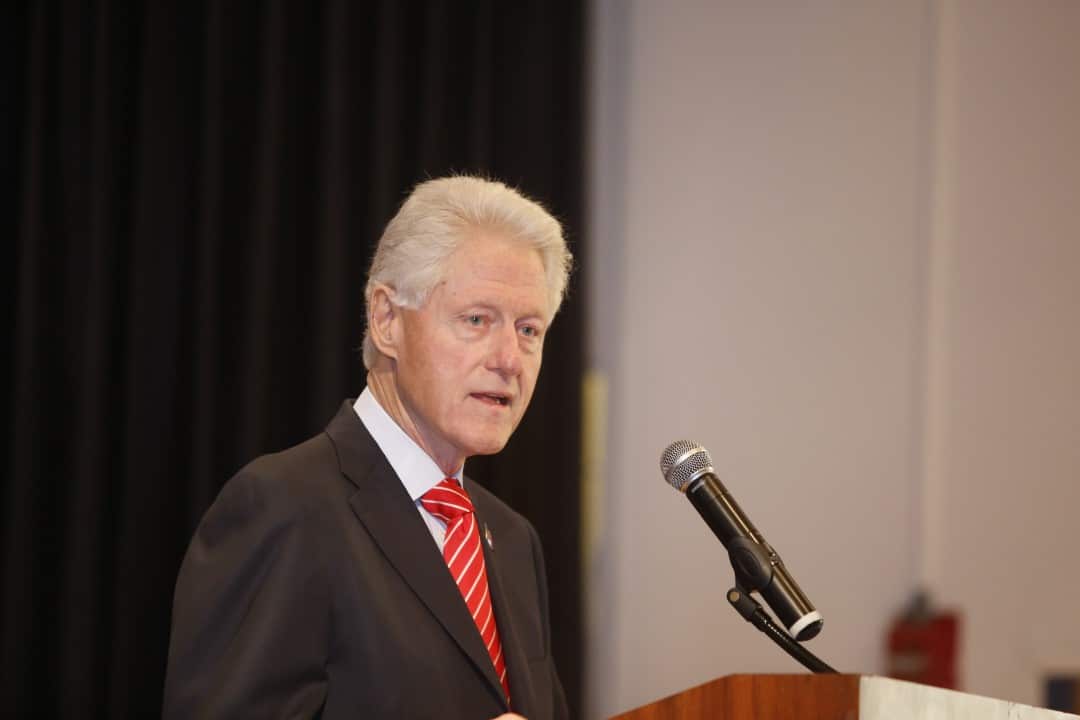
The former president of Estados Unidos, Bill Clinton, appeared this Friday, February 27th, before Comitê of Supervisão of The hearing, held behind closed doors in a secure location set up at Chappaqua, The testimony, which lasted several hours, focused mainly on the frequency of air travel carried out by the former agent on Epstein’s private aircraft and the nature of the social meetings between them in the early 2000s.
The session was conducted under strict secrecy, a measure agreed between Clinton’s lawyers and the committee’s leadership to guarantee the security of information and procedural order, avoiding the media circus that usually accompanies public summonses by former presidents. Embora although Clinton’s legal team emphasized that the appearance was voluntary, sources linked to Congresso indicate that the negotiation for the testimony took place under the shadow of a possible court subpoena, which accelerated the Democrat’s cooperation. The legislators’ central objective was to confront the former president with new data and flight records that suggest a more frequent interaction than previously admitted in public statements.
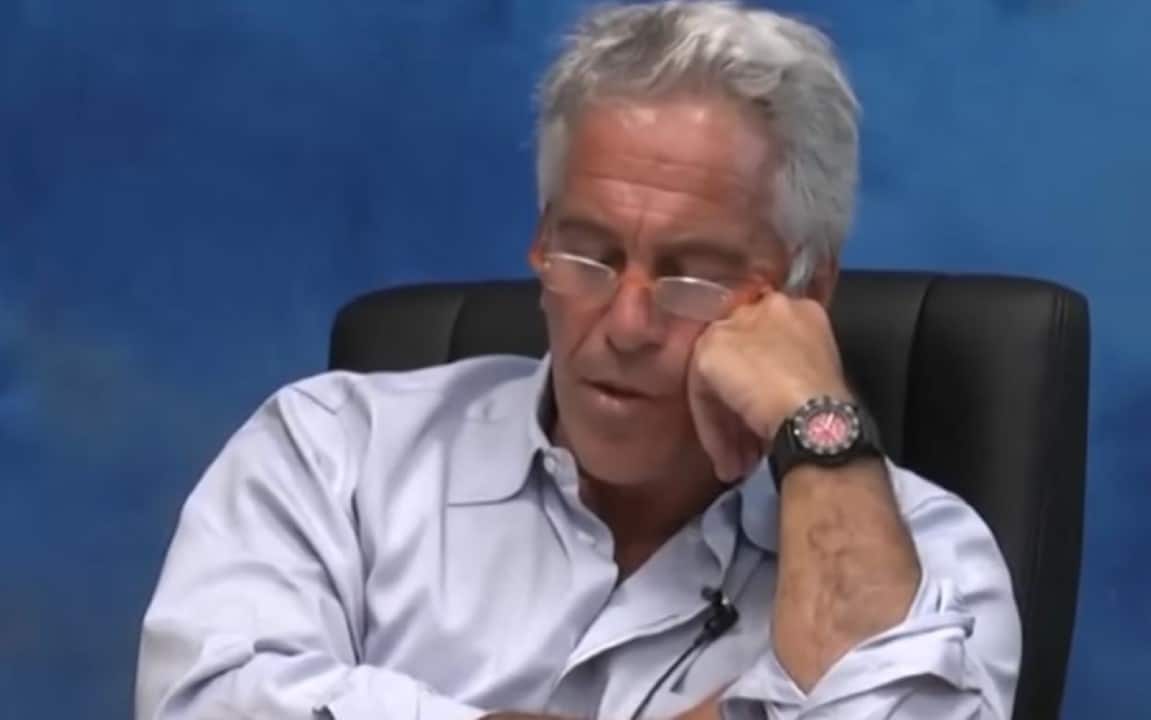
Hillary Clinton, former secretary of Segundo her, the committee’s insistence on revisiting agendas from two decades ago has no solid legal basis and only serves as a distraction from urgent legislative issues. The defense maintains that Bill Clinton’s relationship with Epstein was strictly professional and linked to Fundação Clinton’s philanthropic activities, definitively ending years before Epstein’s crimes became public in 2005.
Travel details and humanitarian defense
The crux of the interrogation revolved around the flight records of Epstein’s private jet, popularly known in the media as “Lolita Express”. Documentos presented during the session indicate that Clinton used the aircraft on at least 16 separate occasions between 2002 and 2003. The committee’s investigators thoroughly questioned the former president about the purpose of each segment, looking for inconsistencies between the flight manifests and the foundation’s official agenda.
The line of defense presented by Clinton remained consistent with his past statements, reiterating that the trips had exclusively humanitarian purposes. Segundo the statement, the aircraft were used to facilitate complex logistical transport in missions in África and Ásia, focused on combating AIDS and global economic development. The former president vehemently denied having knowledge, at the time, of Epstein’s illicit activities or the involvement of minors in the financier’s operations.
- Flight frequency:Records show 16 confirmed trips over a two-year period.
- Main destinations:Países from the African continent and developing Asian nations.
- Official justification:Missões from Fundação Clinton for public health and poverty reduction.
- Breakup:The defense alleges that contact ceased completely before the first criminal charges were filed against Epstein on Flórida.
Despite the explanations, committee members pressed on the presence of other passengers and the dynamics on board. The investigation seeks to determine whether there was any inappropriate conduct during these trips or whether the former president witnessed situations that should have been reported to the authorities. Clinton’s team insists that he has never been to Epstein’s private island, Little St. James, and that their interaction was limited to the logistical support offered by the financier, who at the time was seeking to rehabilitate his public image through high-profile donations.
Visual evidence and forensic context
During the hearing, new evidence was introduced that complicates the defense narrative. Departamento of Justiça released access to a set of photographs recovered in search and seizure operations, which show Clinton and Epstein in leisure situations on a ranch. The images, analyzed by forensic experts, portray moments of relaxation that suggest a personal proximity greater than that of a mere institutional donor and beneficiary.
The photographs capture the two men in casual attire, talking on balconies and outdoor areas, which investigators interpret as a sign of genuine friendship. The forensic analysis of the images aims to establish an exact chronology of these meetings to compare with the testimonies of victims who claim to have seen the former president in social contexts promoted by Epstein. Embora none of the photos suggest illegal activity on the part of Clinton, they serve to contest the version that the relationship was distant and purely transactional.
Legal experts point out that the committee’s strategy is to use this visual evidence to force contradictions in the testimony. The existence of photographic material that had not previously been released puts pressure on the Clinton team to justify each social encounter. Validating the authenticity of these images was a crucial step to allow their inclusion in the official investigation dossier, transforming personal album records into pieces of federal interest.
Political repercussion and next steps in the investigation
Conducting this investigation exposes the deep fractures in the political landscape of Washington. Para the Republican wing, led by figures who have promised full transparency about the Epstein case, Clinton’s testimony is a necessary step to dismantle what they call the “elite protection network.” Eles argue that justice should be blind to positions and titles, and that the American public deserves to know the extent of the influence that Epstein had over decision makers.
On the other hand, Democrats on the committee denounce the process as a selective witch hunt. Argumentam that the exclusive focus on Clinton, ignoring other high-ranking figures from both parties who also orbited Epstein, demonstrates the partisan bias of the investigation. The Democratic strategy has been to contextualize the trips as part of a legitimate global effort, downplaying personal association and highlighting the positive results of the humanitarian missions undertaken during that period.
The committee is now looking at the transcript of the testimony to decide its next moves. Não has ruled out calling new witnesses, including former advisors who accompanied Clinton on trips and employees of Fundação who dealt directly with transport logistics. Cross-analysis of Clinton’s statements with documents from Epstein’s ex-girlfriend,
Although the testimony took place in secret, the expectation is that parts of the transcript will be declassified and made public in the coming weeks, after a security review. Esse process of gradual transparency will keep the issue at the center of public debate, fueling discussions about the ethical responsibility of world leaders in their private associations. The outcome of this investigation could redefine Clinton’s post-presidential legacy and establish new precedents for legislative oversight of the conduct of former heads of state.



