
Court convicts father of school shooter for murder and reinforces parental responsibility in the US

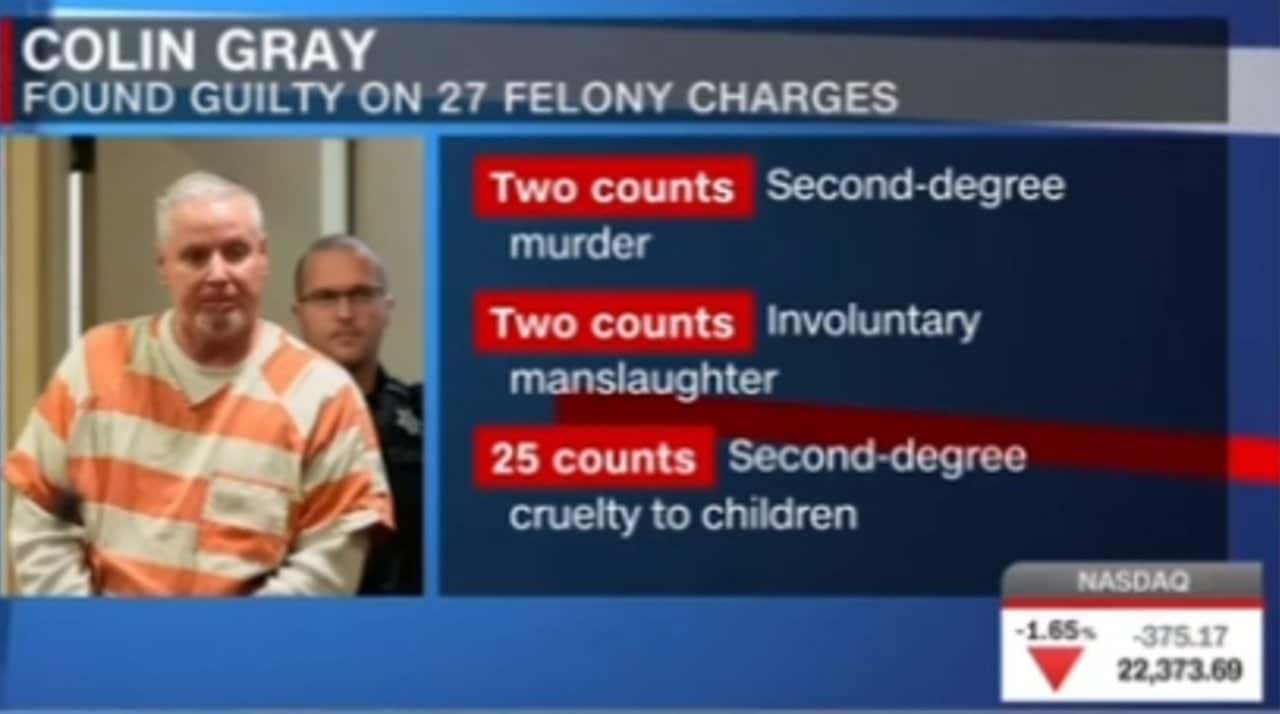
A jury in the state of Geórgia handed down a verdict against Colin Gray on Tuesday, holding him criminally responsible for the actions of his teenage son in a school massacre. The decision marks a historic moment in American justice by convicting a parent of second-degree murder and manslaughter due to negligent access to firearms. The trial, concluded in Winder, establishes a new parameter regarding the legal obligations of parents to monitor the behavior of young people with a history of emotional instability.
Jurors took less than two hours to deliberate on all charges related to the September 2024 attack on Apalachee High School. The speed of the decision reflects the strength of the evidence presented by the prosecution, which directly linked the father’s conduct to the tragedy that killed students and teachers.
This ruling adds Gray to a growing list of legal guardians who face severe criminal consequences in Estados Unidos for violent acts committed by minors under their care. The sentence reinforces the message that inaction in the face of clear signs of danger will not be tolerated by the judicial system.
Details of charges and possible penalties
Colin Gray’s conviction covers separate crimes based on the victims of the attack. Ele was found guilty of second-degree murder in the deaths of students Mason Schermerhorn and Christian Angulo, both 14 years old. Pela local legislation, this classification occurs when the death of a child is caused during the practice of child cruelty, a central argument used by the prosecution to guarantee the strictest penalty.
In relation to teachers Richard Aspinwall and Cristina Irimie, also victims of the attack, the defendant was convicted of manslaughter. The sum of the charges reflects the seriousness of the failure to protect the school community and the direct responsibility of the adult in preventing access to lethal instruments.
The defendant is now awaiting the definition of the prison time, which can vary significantly depending on the judge’s interpretation of the aggravating factors. The expected sentences range between 10 and 30 years for second-degree murder charges, in addition to possible sentences of one to 10 years for manslaughter cases.
Alert history and easy access
During the trial, it was proven that the weapon used in the crime was a gift from Natal given by Colin to his son, even in the face of clear evidence about the young man’s weakened mental health. The prosecution demonstrated that the father was aware of the risks, ignoring warnings that the teenager could pose a real threat to the safety of others.
Testimony revealed that the shooter’s mother, Marcee Gray, had repeatedly requested that her ex-husband restrict access to firearms. Ela warned about his son’s obsession with past school massacres, including the existence of a makeshift shrine in the young man’s room dedicated to other famous shooters. The negligence in collecting the weapons or keeping them under lock and key was decisive in the occurrence of the tragedy.
Dynamics of the attack on Apalachee High School
Investigations showed that the attack was not an act of momentary impulse, but rather an event meticulously planned by the student. The young man managed to get on the school bus carrying a semi-automatic rifle hidden in his backpack, using cardboard to hide the barrel of the gun and avoid detection by drivers or employees.
On the day of the crime, the shooter left the classroom during the second period and went to the bathroom to prepare his weapons. Upon leaving, he began shooting in the corridors and in a classroom, generating widespread panic in the institution that housed almost two thousand students. The premeditation of the act, facilitated by unrestricted access to the weapon at home, was a key point in the father’s conviction.
Changes in legislation and security protocols
The impact of the case accelerated the implementation of new security measures in the state of Geórgia. Legisladores approved robust packages of laws aimed at preventing future incidents and increasing the responsibility of institutions and families. Entre the main changes adopted are:
- Implementation of a state alert system that identifies students with a history of threats or violence.
- Mandatory police notification to schools about young people who have made threats of death or bodily harm.
- Installation of mobile panic buttons to immediately contact authorities in crisis situations.
- Creating positions for mental health coordinators in all school districts for early risk detection.
- Speeding up the transfer of medical records and behavioral histories between educational institutions.
In addition to the legislative measures, the state government allocated millions of dollars to reinforce the physical infrastructure of schools. The investment seeks to create additional barriers and monitoring systems that can prevent or mitigate the actions of aggressors, complementing the legal responsibility that now falls more heavily on parents.



