
Crossovers dominate the automotive sector with Tesla’s leadership and Asian brands advancing in the global ranking


The end of the 2025 fiscal year consolidated a profound transformation in the global automobile industry, confirming consumers’ massive preference for crossovers. Estes vehicles, which combine sporting utility with the efficiency of compact models, have solidified their position as the dominant category in several international markets. Analysis of accumulated data reveals that the search for versatility has reached historic levels, shaping the production strategies of the main automakers.
In this competitive scenario, electrification and connectivity are no longer niche differentiators but have become fundamental requirements in families’ purchasing decisions. Charging infrastructure, especially in América of Norte and parts of Europa, has expanded significantly, reducing drivers’ range anxiety and boosting the adoption of all-electric models.

Traditional manufacturers responded to this demand with an offensive of launches that prioritize energy efficiency without sacrificing internal space. The balance between mechanical performance and embedded technology has become the new battleground for ensuring loyalty with the modern consumer.
Electric leadership and the resistance of hybrids
Tesla maintained its prominent position with Model Y, which ended the period with a 2.5% share of the global market. The model overcame historical competitors and logistical barriers to surpass the mark of 1.2 million units sold, a feat that reflects the maturation of the company’s supply chain and the public’s acceptance of purely electric vehicles. Remote software update capability and the supercharger network continue to be decisive assets for the Elon Musk brand.
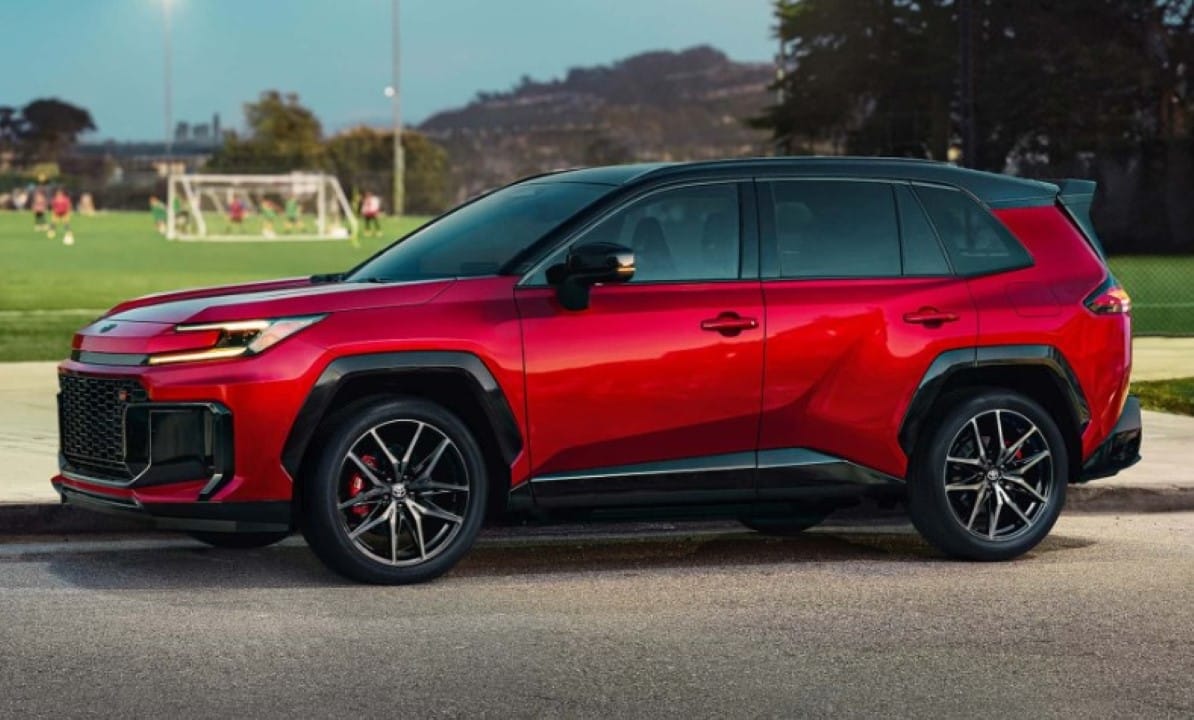
However, Japanese automakers have demonstrated impressive commercial resilience, banking on the strength of hybrid engines as a safe and reliable transition solution.
- Toyota RAV4:Garantiu second place in the world rankings, capturing 2.4% market share, driven by brand trust and fuel efficiency.
- Honda CR-V:Alcançou third place with 1.7% share and 800 thousand units sold, standing out for the versatility of the internal space.
- Strategy Híbrida:Japanese technology has proven to be essential for consumers who are not yet ready to fully switch to electric, offering extended autonomy of more than 500 km.
Performance of Korean brands and the luxury segment
The Hyundai-Kia group delivered robust results, with the Tucson recording 3.2% growth in sales and securing fourth position globally. The bold design and extended warranty were crucial factors in attracting a consumer profile that values aesthetics combined with safety. The Kia Sportage, in turn, maintained stable sales and secured sixth place, benefiting from its light off-road capability and interior ergonomics.

In the premium and fast-growing segment, other models attracted attention due to their above-average commercial performance.
Chevrolet Equinox surprised with a 31.5% increase in its sales, jumping to ninth position in the global ranking. Este growth was driven mainly by the North American market, where the model’s cost-benefit ratio attracted families looking to renew their fleet. Já on





