
Global markets react to the escalation in Iran: oil on the rise and stock markets register a sharp decline


Global financial markets emerged under severe pressure this Tuesday, with the escalation of the conflict involving the Irã, Estados Unidos and Israel causing an unprecedented wave of uncertainty. Geopolitical instability has resulted in significant fluctuations in stock markets and a sharp increase in oil prices, signaling fears that tensions in the Oriente Médio could continue for a considerable period, directly impacting production and transportation costs on a global scale.
Since clashes between Estados Unidos and Israel began over the weekend, the value of American crude oil has seen a jump of more than 13%, indicating market sensitivity. Esta dramatic rise reflects the perception of risk to global supply and global dependence on stability in the region.
The reaction of the financial and commodity markets was immediate, driven by several critical factors that accentuate risk aversion:
– Ameaça of prolonged interruption in the supply of vital energy.
– Ataques direct to oil infrastructures and diplomatic representations.
– Impossibilidade of safe navigation on the Estreito of Ormuz, a crucial trade route.
Energy quotes on a sharp rise
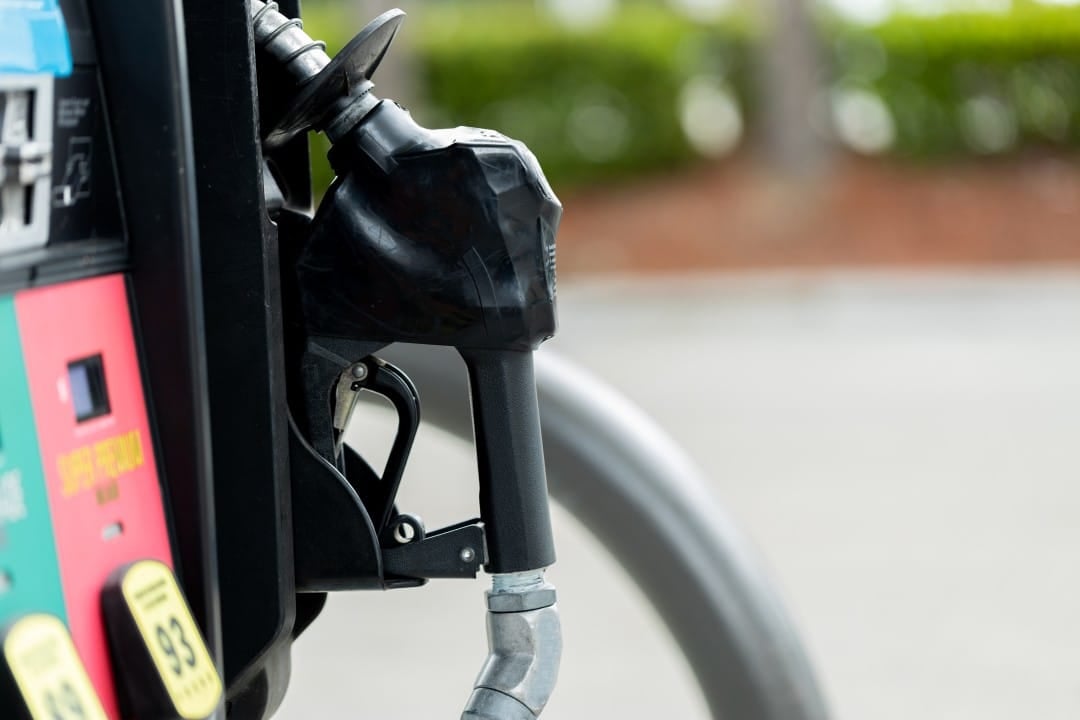
The threat of an extended war in the Oriente Médio, as indicated by pronouncements from global leaders, caused stock futures contracts to plummet and, in turn, energy prices to soar in international markets. The repercussion is a direct reflection of the vulnerability of the global fuel supply system to interruptions in the region, historically responsible for a significant share of oil production. The price of a barrel of oil has become a barometer of the level of tension, with each new news of attack or retaliation boosting its value and generating expectations of higher costs for consumers and industries across the planet, a scenario that requires constant attention from economic and government agents.
Stoppage at Estreito of Ormuz worsens scenario
One of the most critical points of the current crisis is the almost complete stoppage of navigation on the Estreito and Ormuz. The Esta waterway, considered vital for the global fuel supply, saw its activities severely affected by the Irã’s retaliatory attacks on several installations in the Golfo and the intensification of military operations in the area. The interruption of trade flow through this strategic strait raises immediate concerns about the ability to meet the demand for oil and natural gas, with potential consequences for the economic stability of nations dependent on these imports. The international community is monitoring the situation with great concern, aware that any prolonged blockade in the region could trigger an unprecedented global energy crisis, directly impacting purchasing power and inflation in several consumer markets.
Volatility in stock markets and its global effects
Concern about the duration and intensity of the conflict, reinforced by statements from authorities, fueled a sharp retreat in stock markets. Investidores adopted a stance of extreme caution, disinvesting in risky assets and seeking refuge in options considered safer in times of instability.
Major global indices recorded significant declines, with airlines, logistics companies and commodity-dependent sectors being hit hardest. The prospect of high operating costs and lower demand for goods and services in a scenario of uncertainty contribute to widespread risk aversion.
Iranian response and escalation in the Golfo
Irã retaliatory strikes targeted American embassies and crucial oil installations in Golfo, expanding the geographic dimension and impact of the conflict. Essa action represents a significant escalation, raising the risks of a direct and prolonged confrontation in the strategic region of Oriente Médio. The increase in the intensity of attacks has raised concerns about the security of essential infrastructure for the global market.
The choice of targets demonstrates a strategy of pressure on opposing economic and diplomatic interests, provoking an immediate reaction in financial centers. The international community strongly condemns actions that put civilian lives and regional stability at risk, while carefully observing the next steps of all parties involved in the conflict.
Consequences on travel and logistics
The conflict resulted in enormous disruption to the global travel industry. Dezenas of thousands of people and large volumes of air cargo were stranded in strategic destinations, generating a significant impact on the mobility of goods and passengers. Uncertainty regarding the safety of air routes and the interruption of flights have caused incalculable losses for companies and individuals.
Popular destinations, such as Dubai, which were targets of attacks, face serious problems in resuming normality. The reputation and operational capacity of crucial transport hubs are being tested as airlines seek alternative, often longer and more expensive, routes to ensure the continuity of their operations.
Projections and risks for the world economy
The current crisis in Oriente Médio casts shadows on economic prospects on a global scale. Governos and central banks are already beginning to assess the potential inflationary impacts and the risks of a generalized slowdown. Rising oil prices are a direct factor that can boost the cost of living and erode families’ purchasing power, triggering an inflationary cycle.
The increase in energy prices affects industrial production and services, generating a cascade effect on the entire global production chain. Além In addition, volatility in financial markets creates an unfavorable environment for investments and long-term business decision-making, directly impacting confidence.
Analysts warn of the possibility of revisions to the Produto Interno Bruto (GDP) growth projections for the year, if the conflict persists for longer. The economies most dependent on imported energy and with the greatest commercial exposure to the region are the most vulnerable to these shocks.
Diplomacy and crisis monitoring
Given the complexity and unpredictability of events, continuous monitoring of financial markets and commodity prices becomes essential. Diplomatas and global leaders are intensifying efforts to seek solutions that can de-escalate the crisis, although the path to regional peace and stability appears uncertain at the current moment.



