
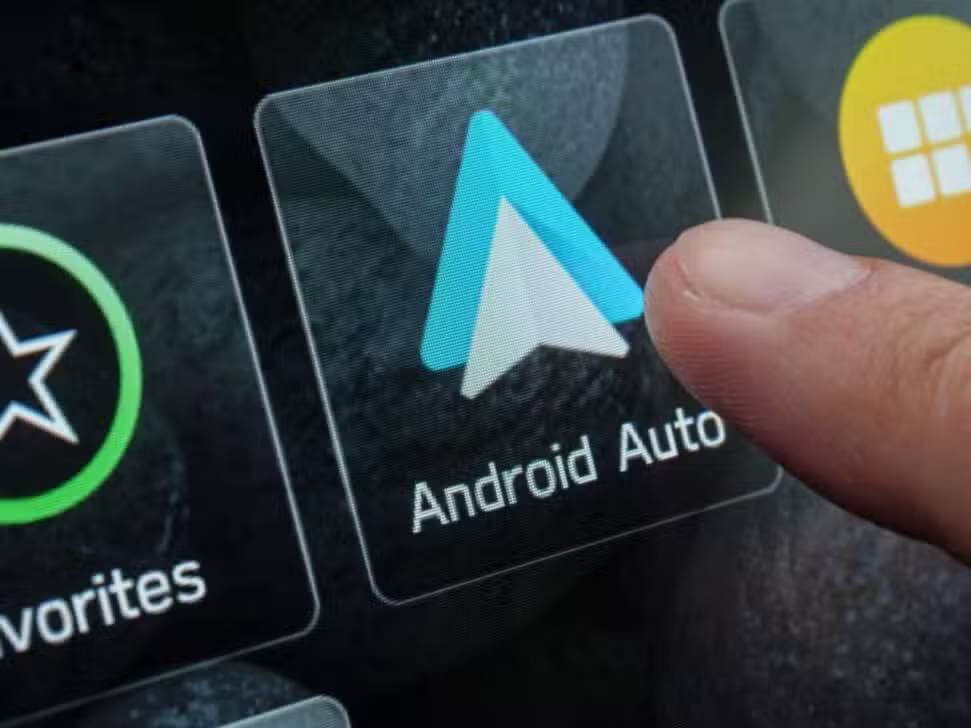
Recent studies on the reliability of modern automobiles point to a significant change in drivers’ perception of quality, where mechanics give way to digital technology as the main focus of criticism. Após three years of continuous use, connectivity with smartphone mirroring platforms has established itself as the biggest source of problems reported by vehicle owners. The dependence on external systems for navigation and media has created frustrations that directly impact the overall evaluation of automobiles.
Frequent wireless connection failures, synchronization delays and incompatibilities generated by mobile operating system updates are cited as barriers to a smooth driving experience. Motoristas report that the need for manual intervention to reestablish the connection interferes with daily use and, in many cases, compromises attention on the road. Essa Technical instability transformed what should have been a convenience into a point of constant friction between the driver and the machine.

The integration of cell phones via popular interfaces today represents almost half of all complaints registered in the infotainment category. Além of mirroring software, problems with the integrated Bluetooth pairing and intermittent operation of induction chargers also contribute to the high volume of complaints. The scenario reveals a challenge for automotive engineering, which needs to deal with the rapid obsolescence of mobile devices compared to the vehicle’s useful life.
The data reveals a general increase in incidents in recently manufactured vehicles, raising the industry average to historic levels of dissatisfaction. The rate of problems per hundred vehicles has reached record levels since the overhaul of research methodologies in 2022, indicating that the electronic complexity of modern cars has brought new challenges to durability and long-term operation.
Recurring faults dominate owner complaints
Unstable connectivity leads the ranking of automotive problems for the third time in a row, consolidating itself as a structural issue in the industry. Especialistas in the industry note that mirroring depends on variables that are difficult to control, such as the quality of the phone signal, the version of the device’s operating system and the stability of the car’s internal network. Qualquer interruption in this communication chain results in immediate failures on the panel screen.
Among the main complaints listed by users, the following stand out:
– Conexões unstable objects that fall suddenly during long journeys or in signal shadow areas;
– Dificuldade technique to maintain simultaneous synchronization of map applications and music streaming;
– Atualizações of software that, instead of correcting, introduces new compatibility errors with the car’s hardware.
In addition to signal drops, owners report significant delays in touch response when the mirroring system is active. Esses small defects, although they do not impede the mechanical functioning of the car, accumulate over the years of ownership, eroding confidence in the brand and the technology on board.
General Motors and the transition to proprietary operating systems
In direct response to this scenario of dissatisfaction, major manufacturers began to review their infotainment strategies, opting to eliminate dependence on cell phones. General Motors has confirmed the strategic decision to phase out support for Apple CarPlay and Android Auto across its new range of electric and combustion models. The automaker’s justification is based on the premise that mirroring compromises the performance of advanced driving assistance functions.
The company argues that cell phone-only navigation does not have access to crucial vehicle data, such as the actual state of the battery or instantaneous energy consumption. The new system developed by the brand, called Ultifi and based on the Android Automotive architecture, promises to offer a fluid and integrated native experience. Nesse model, updates and processing occur directly in the vehicle’s hardware, without relying on the user’s phone’s processor or battery.
Other global brands have adopted similar approaches in recent years, seeking to regain control over the user interface. Modelos equipped with fully integrated infotainment avoid the risk of sudden disconnection and offer more direct controls over vital functions such as air conditioning, parking cameras and lane assist, which often compete for processing resources with mirroring.
Performance difference between luxury brands and entry-level models
Market analysis shows a notable discrepancy between segments, with luxury brand vehicles experiencing significantly lower rates of problems in the infotainment category. Native systems developed for the premium segment are generally designed with a focus on full integration with the car’s hardware from the initial engineering phases, ensuring greater robustness.
Owners of these high-value models claim to experience superior stability even after three years of intensive use. The absence of total dependence on the smartphone drastically reduces the risk of failures caused by external updates to the cell phone’s operating system, which often “break” compatibility with older or less powerful multimedia centers found in entry-level cars.
Consumer preference changes the focus of development
Buying behavior is changing as consumers prioritize vehicles that do not rely exclusively on mirroring for essential navigation and communication functions. Modelos that offer large screens, dedicated processors and agile interfaces are beginning to gain preference over those that only function as passive monitors for the cell phone.
The search for these cars reflects the discontent accumulated over the recurring failures of Android Auto and CarPlay. Motoristas want solutions that work independently and safely in any driving condition, without the need for cables, adapters or constant system resets during the journey.
Limitations of remote updates in fixing errors
Although over-the-air update technology has been promised as the ultimate solution to software bugs, reality shows limitations. Muitos owners receive update packages but do not notice significant improvements in connectivity stability. Cerca 58% of respondents in recent surveys say software changes have not changed the daily experience or resolved connection failures.
Only a small portion of users report real performance gains after fixes sent by automakers. Isso reinforces the perception that problems in cell phone integration are often structural and hardware, requiring deeper changes in the design of the electronic system than simple code patches.
Deep integration improves security and navigation
Cars equipped with native platforms, such as the Android Automotive, deliver a superior navigation experience when considering variables from the vehicle itself. The mapping system can, for example, accurately predict the remaining range of an electric vehicle and suggest charging stops based on actual engine consumption and road topography, something that cell phone apps have difficulty doing with the same accuracy.
Furthermore, semi-autonomous assistance functions work more efficiently when integrated directly into the car’s multimedia center. Comandos native speakers tend to respond faster and more accurately, preventing the driver from having to look away to check whether the instruction was understood, which increases overall traffic safety.
Impact of external problems on the purchasing decision
Despite the intense focus on technology, other quality factors continue to influence satisfaction. Ruidos Abnormalities in the bodywork, finishing problems and low quality materials still contribute to general dissatisfaction. However, the onboard technology category continues to represent the absolute majority of formal complaints registered.
Owners evaluate the complete package before choosing their next vehicle, but the weight of reliable technology has increased. Sistemas of infotainment systems that freeze or disconnect are today seen as defects as serious as mechanical failures, weighing decisively when changing brands or models.
Industry accelerates transition to independent platforms
Automakers around the world are accelerating the development of proprietary solutions to reduce dependence on third-party ecosystems like Google and Apple. The objective is to offer a safer, more personalized experience and, crucially, controlled by the manufacturer itself from the first use until the end of the car’s useful life.
New models hit the market with processing hardware comparable to that of modern tablets, dedicated exclusively to car functions. Essa evolution responds directly to the complaints registered in recent years, signaling that the future of automotive connectivity will be less about mirroring the phone and more about the car itself being a connected smart device.