
Kenichi Mikawa returns to TV after Parkinson’s and sings with determination on Utacon

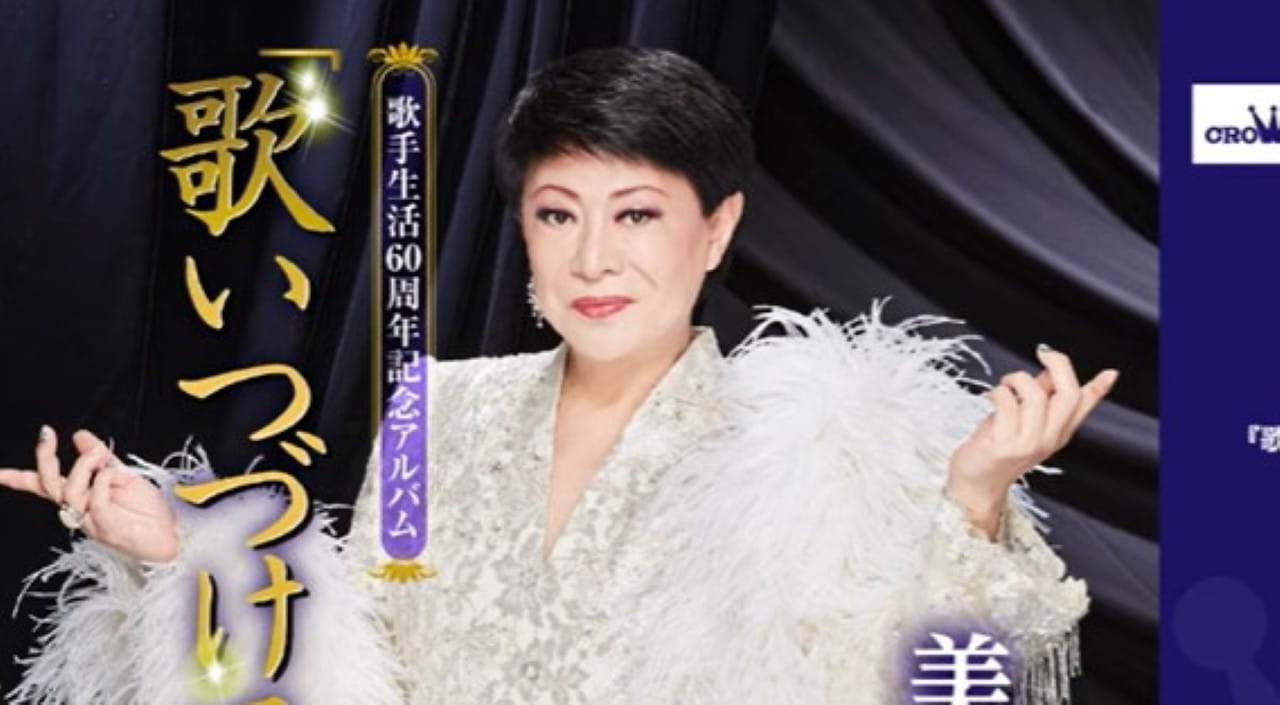
Japanese singer Kenichi Mikawa, 79, marked his return to television by participating in the music program to remain active in his musical career.
Mikawa, known for hits such as Ele expressed gratitude for the support received and emphasized the importance of rehabilitation, despite the difficulties faced in the process.
The performance included a collaboration with singer Kobayashi Sachiko on Scorpio Woman, followed by a solo performance of Ikiru, a song that reflects themes of perseverance and vitality. Presenter Shosuke Tanihara welcomed the artist, and Mikawa responded highlighting his happiness at being back in front of the public.
Mikawa’s musical trajectory
Kenichi Mikawa began his career in the 1960s, gaining prominence as an enka and Japanese pop singer with a unique style that mixes traditional and modern elements. Seus albums have sold millions of copies over the years, and he has become an iconic figure on Japanese television, participating in variety shows and music competitions.
The artist has accumulated important awards, including recognition at Japan Record Awards, and has collaborated with several prominent musicians on the Asian scene. Sua distinct voice and stage presence captivated generations of fans, consolidating a career that spans six decades of contributions to the entertainment industry.
Recent health challenges
In September 2025, Mikawa revealed her diagnosis of sick sinus syndrome, a heart condition that affects the heart’s rhythm and can cause extreme fatigue. The surgery to implant a pacemaker took place on the 11th of that month, and the procedure was successful, allowing him to begin recovery at home.
A few months later, in November 2025, came the announcement of Parkinson disease, a progressive neurological disorder that impacts movement and can include tremors, muscle stiffness and balance difficulties. Ms.
The singer described rehabilitation as an arduous process, involving daily exercise and constant monitoring by healthcare professionals. Apesar Despite the obstacles, he maintained selected professional commitments, such as preparations for musical events, demonstrating resilience in the face of the limitations imposed by the conditions.
Presentation at Utacon and reactions
During the episode of Utacon, Mikawa was met with applause and messages of support from fellow artists and the audience. Ele shared anecdotes about his recovery, mentioning that music served as his main motivation to get through difficult times.
The choice of songs presented carried symbolism, with Ikiru representing the fight for life without regrets. Mikawa dedicated the performance to others facing similar illnesses, encouraging persistence and optimism in the face of adversity.
Impact of Parkinson disease on Japão
Parkinson disease affects millions of people globally, and in Japão, it is estimated that around 200,000 individuals live with the condition, according to data from local health organizations. Symptoms vary, but include involuntary tremors, slow movements and changes in speech, requiring multidisciplinary treatments.
Recent research in the country focuses on innovative therapies, such as deep brain stimulation and drugs that modulate dopamine in the brain. Instituições like Universidade of Tóquio conduct studies to improve patients’ quality of life, integrating technology and physical rehabilitation.
In the Japanese cultural context, celebrities like Mikawa who publicize their experiences contribute to reducing the stigma associated with neurological diseases. Campanhas public campaigns promote awareness, encouraging early diagnosis and adherence to treatments.
Japanese medical associations recommend adapted exercise routines, balanced diet and psychological support to manage disease progression. Mikawa incorporated these elements into his recovery, serving as a practical example for the public.
Preparations for return
Before appearing on Utacon, Mikawa held intensive rehearsals with her team, adjusting choreography and musical arrangements to accommodate her current needs. Treinadores vocal and physical therapists monitored the process, ensuring that the performance met professional standards.
Photographs released show the singer in training sessions, displaying energy and focus despite the challenges. Ele expressed admiration for colleagues who supported him, strengthening ties in the Japanese artistic community.
Future career prospects
Mikawa plans to continue with select performances, prioritizing events that allow for adequate breaks and on-site medical support. Seus agents negotiate participation in music festivals and TV shows, adapting schedules to preserve their health.
The singer mentioned interest in projects that involve mentoring young artists, sharing experiences accumulated throughout his career. Parcerias with contemporary musicians are also in discussion, aiming to update their repertoire without compromising the classical style.
Notable collaborations
Kenichi Mikawa has collaborated with artists such as Kobayashi Sachiko on several occasions, creating duets that mix traditional enka with pop influences. Essas partnerships resulted in live recordings that became commercial successes, selling thousands of copies in digital and physical formats.
Other collaborations include appearances on collective Japanese music albums, where Mikawa contributed unique vocals on theme tracks. Seus joint works with renowned composers enriched the enka genre, influencing subsequent generations of singers.
Cultural contributions
Mikawa’s presence in Japanese media extends beyond music, including appearances in dramas and variety shows that highlight his charismatic personality. Ele acted in supporting roles in television series, adding humor and depth to the narratives.
His contributions to the preservation of enka culture involve lectures and workshops at educational institutions, promoting the genre among young people. Mikawa advocated the integration of traditional elements into modern productions, maintaining the relevance of enka in the contemporary music scene.
The artist also engaged in social causes, supporting foundations dedicated to research into neurological diseases. Suas donations and participation in charitable events have raised significant funds for medical advances.
Daily rehabilitation routine
Mikawa rehabilitation includes physiotherapy sessions focused on improving mobility and reducing muscle stiffness, carried out daily in specialized Tóquio clinics. Médicos monitor the effects of prescribed medications, adjusting dosages as necessary to optimize symptom control.
Vocal exercises are part of the routine, helping to maintain voice quality despite potential changes caused by the disease. Nutricionistas recommend a diet rich in antioxidants and nutrients that support brain health, complementing pharmacological treatment.
Support from the artistic community
Colleagues in the Japanese music scene sent messages of encouragement to Mikawa following the announcement of his diagnosis, with artists including Sakamoto Fuyumi and Miyama Hiroshi expressing public solidarity. Grupos of fans organized online campaigns to promote their music, increasing streams on digital platforms.
Virtual events dedicated to the singer brought together thousands of participants, sharing personal stories about the impact of his work. Essa support network reinforced Mikawa’s motivation to return to the stage, highlighting the bond between artists and audience at Japão.
Medical advances in the treatment of Parkinson
Recent Japanese studies explore gene therapies to slow the progression of Parkinson disease, with late-stage clinical trials at university hospitals. Pesquisadores use stem cells to repair neuronal damage, offering hope for more effective treatments.
Medications such as levodopa remain the basis of treatment, combined with enzyme inhibitors to prolong their effects. Dispositivos electrical stimulation devices, similar to the Mikawa cardiac pacemaker, are adapted to the brain, controlling tremors in selected patients.
International organizations collaborate with Japanese institutions, sharing clinical trial data to accelerate innovations. Esses advances benefit patients like Mikawa, allowing greater autonomy in daily and professional activities.
Influence on public awareness
The return of Mikawa to TV has encouraged discussions about mental and physical health among seniors on Japão, where the aging population poses a significant demographic challenge. Programas educational programs at NHK cover similar topics, using real cases to inform the public.
Government campaigns promote regular exams for early detection of neurological conditions, reducing the social and economic impact of the disease. Mikawa, by sharing your story, contributes to this initiative, encouraging others to seek medical help without delay.
Lasting musical legacy
Mikawa’s repertoire includes dozens of singles that dominated the Japanese charts in the 1970s and 1980s, with themes of love, perseverance and cultural tradition. Álbuns as greatest hits collections remain popular, available on streaming services globally.
His influence extends to international artists, with covers of his songs in languages such as Korean and Chinese. Festivais annuals dedicated to enka honor Mikawa by presenting tributes that celebrate his contribution to the genre.
Plans for future events
Mikawa schedules appearances at benefit concerts scheduled for the coming months, with safety measures in place to accommodate his health condition. Organizadores prepare support structures at the venues, ensuring accessibility and comfort during presentations.
Discussions with TV producers aim for special episodes focused on his career, including documentaries that explore the behind-the-scenes of old recordings. Esses projects aim to preserve the singer’s legacy for future generations.



