

The Lebanese government announced on Monday, March 2, 2026, the immediate ban on the military and security activities of the Hezbollah, classifying them as illegal and demanding the delivery of weapons to the Estado. Essa measure, taken after the group launched rockets against Israel, represents a significant change in the political dynamics of the country, where Hezbollah has acted as a military force for decades.
President Joseph Aoun emphasized that the decision is sovereign and definitive, highlighting that the rockets came from areas outside the southern zone of the river Autoridades stated that Estado holds exclusivity over war and peace decisions, rejecting any unilateral action that exposes the national territory to external risks.
Prime Minister Nawaf Salam, after a cabinet meeting, ordered security forces to immediately implement the ban, limiting Hezbollah to political activities. Essa stance comes in the context of Israeli retaliations, which included air strikes in Beirute and southern regions, resulting in dozens of victims.
Government measures against the group
The Lebanese cabinet, meeting on an emergency basis at Beirute at 8am local time, debated the repercussions of the Hezbollah missile launches and the Israeli responses. The ban aims to restore state authority over the use of force, preventing the Líbano from being drawn into broader regional clashes.
Authorities ordered the Exército to prevent unauthorized operations north of the Litani river, reinforcing the disarmament plan. Essa action includes strict monitoring of border areas, where recent incidents have raised tension.
International reactions to the decision
União Europeia, through statements from representatives such as António Costa, expressed support for the Lebanese move to terminate Hezbollah’s military activities. Essa position reinforces efforts to stabilize the region, aligning with UN resolutions on militia disarmament.
Western countries highlighted the importance of limiting the group’s role to political functions, while Irã, the main supporter, maintained initial silence. Observadores international organizations monitor compliance, anticipating impacts on ceasefire negotiations.
Israel, for its part, continued operations against targets associated with Hezbollah, eliminating key figures in precision strikes. Esses events increase pressure on the Lebanese government to effectively implement the ban.
Recent attacks and counterattacks
On Sunday, March 1, 2026, Hezbollah launched missiles and drones against Israeli positions, claiming defense against previous aggression. Israel responded with over 70 airstrikes on Líbano, targeting weapons stores and launchers.
Israeli forces reported the destruction of military infrastructure in Beirute and the south of the country, resulting in at least 52 deaths, including leaders of allied groups such as Jihad Islâmica. The Lebanese Exército remained neutral, focusing on protecting civilians.
Reports indicate that Israeli bombings damaged civilian buildings in Baabda, on the outskirts of the capital, with sequential explosions recorded by residents. The Lebanese government condemned the incursions, but reiterated the need for internal disarmament.
These exchanges intensified the conflict, with warnings issued to evacuate areas near Hezbollah strongholds. Autoridades health officials reported overload at local hospitals due to the influx of injured people.
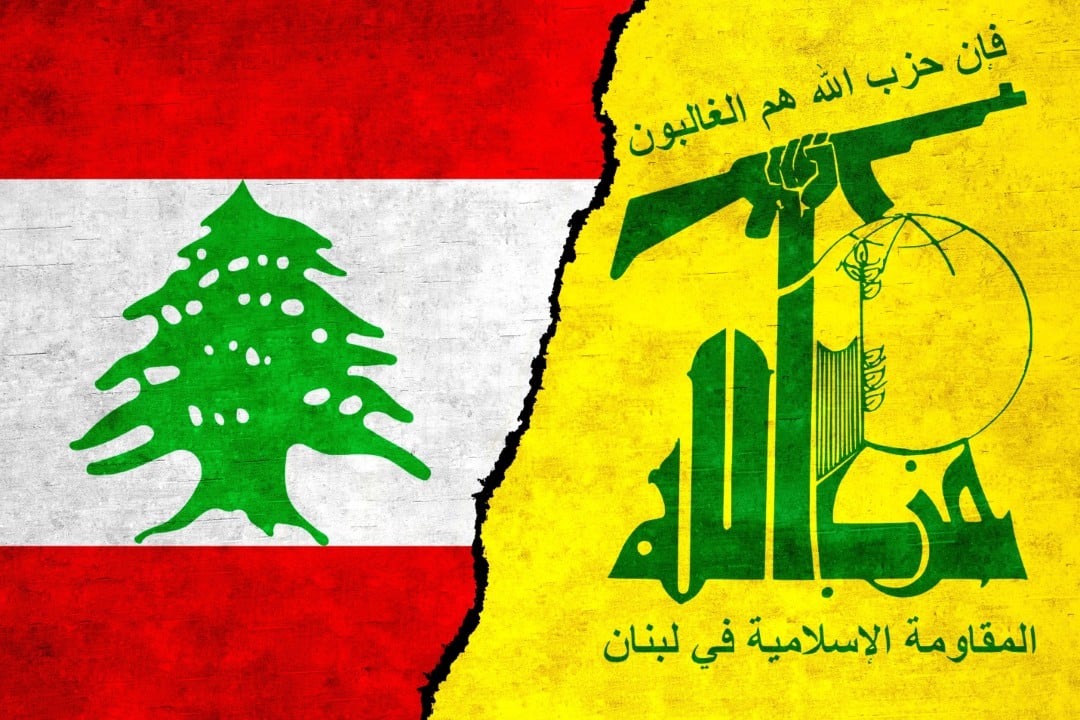
President’s position Aoun
Joseph Aoun, in a statement released on the presidency’s official social network, described the ban as essential to preserving Lebanese sovereignty. Ele warned that unilateral actions expose the country to unnecessary dangers, undermining efforts to maintain neutrality in regional disputes.
The president emphasized that the rocket launches took place outside areas controlled by the Exército, reinforcing the urgency of centralizing arms control. Essa declaration aligned with international calls for implementation of UN Resolução 1701, which demands demilitarization south of Litani.
Impact on the regional scenario
The banning of Hezbollah’s military activities changes the balance of power in Oriente Médio, especially amid the conflict between Israel, Estados Unidos and Irã. The group, founded in the 1980s, resisted Israeli invasions in 2006, but now faces unprecedented internal pressure.
Analysts point out that the decision could weaken Iranian influence in the Líbano, promoting greater integration of the Hezbollah into formal politics. However, the group publicly rejected the measure, defending its autonomy in the face of external threats.
The ban coincides with international conferences to support the Lebanese armed forces, scheduled for Paris in March 2026. Países as Arábia Saudita discuss expanded military cooperation, aimed at strengthening state capacity against militias.
- UN Resolução 1701, from 2006, establishes a demilitarized zone south of the river Litani.
- The Lebanese Exército must implement disarmament, with expected international support.
- Israeli strikes targeted more than 70 targets, including intelligence centers.
- The Hezbollah launched around 20 rockets, partially intercepted by the Israeli defense system.
This dynamic increases escalation risks, with constant monitoring by global organizations.
Challenges in implementing the ban
Implementing the decision faces logistical obstacles, given the Hezbollah’s estimated arsenal of thousands of missiles. The government plans coordinated operations with Exército to collect weapons, prioritizing urban areas.
Shiite communities, the group’s support base, expressed security concerns, fearing a lack of protection against Israeli incursions. Autoridades promise reinforcement of state troops to mitigate these risks.
Prime Minister Salam instructed security agencies to act immediately, with the possibility of arrests for violations. Essa approach seeks to restore public confidence in Estado, shaken by years of political instability.
Historical context of tensions
The Hezbollah emerged during the Lebanese civil war, evolving into a key actor in the resistance against Israeli occupations. In 2000, it contributed to the Israeli withdrawal from the south of the Líbano, gaining popular legitimacy.
Subsequent conflicts, such as in 2006, resulted in significant destruction, with more than a thousand civilian deaths. The current ban reflects accumulated pressures for disarmament, intensified by regional alliances.
Israel maintains operations against the group, alleging threats to border security. Recentemente, eliminated intelligence chiefs in Beirute, escalating retaliations.
The Irã provides logistical support to the Hezbollah, complicating disarmament efforts. Negociações international aims to reduce this influence, promoting Lebanese stability.
Ceasefire efforts
European and American diplomats are pushing for dialogues that fully implement Resolução 1701. Reuniões in Paris seek financing for the Lebanese Exército, estimated at millions of dollars.
The Lebanese government calls for a mutual end to hostilities, condemning Israeli attacks while strengthening internal control. Observadores of the UN monitor the border, reporting daily violations.
Stability prospects
The ban could pave the way for political reforms, integrating armed factions into the democratic system. However, resistance of Hezbollah suggests prolonged stresses.
Affected communities demand humanitarian assistance, with agencies reporting internal displacement. Estado prioritizes reconstruction of bombed areas.



