
Model Y secures top of the automotive world rankings and surpasses Asian rivals focused on hybrid models


The end of the last fiscal cycle consolidated a definitive change in the consumption profile of the global automotive industry, with crossovers establishing themselves as the dominant category on all continents. The most recent data collection shows that the preference for vehicles that combine the robustness of sports utility vehicles with the efficiency of compact models has reached unprecedented levels. Neste In a fiercely contested scenario, electric propulsion technology and traditional mechanical reliability weighed heavily in the purchasing decisions of families around the world.
The Tesla maintained its hegemony at the top of the table, with the Model Y surpassing historical combustion-powered rivals and new hybrid alternatives. The performance of the North American model reflects the acceleration of the energy transition, with strong adoption in mature markets such as China and Europa, where charging infrastructure has expanded. Logo behind the electric leader, Japanese automakers showed resilience, proving that demand for hybrid engines remains extremely strong.

Tesla Domain and Industry Statistics
Tesla Model Y ended the period with a market share of 2.5%, a considerable achievement in such a fragmented sector. Mesmo with a negative fluctuation of 9.4% compared to the previous cycle, the total sales volume surpassed the barrier of 1.2 million units. The maintenance of this leadership is largely attributed to the vehicle’s range, which exceeds 500 km on a single charge, eliminating range anxiety for many drivers.
The strategy of remote software updates allowed the car to remain technologically relevant without the need for physical visits to workshops. Esse feature, combined with the advanced autopilot system, created an ecosystem of loyalty among owners. Nos Estados Unidos and China, the vast network of superchargers was essential to sustain the pace of registrations compared to the competition.
Industry analysts point out that, despite the percentage reduction in market share, Tesla managed to defend its position against a wave of new competitors. Native integration with digital platforms continues to be a differentiator that attracts younger and more connected audiences.
Resilience of Asian brands
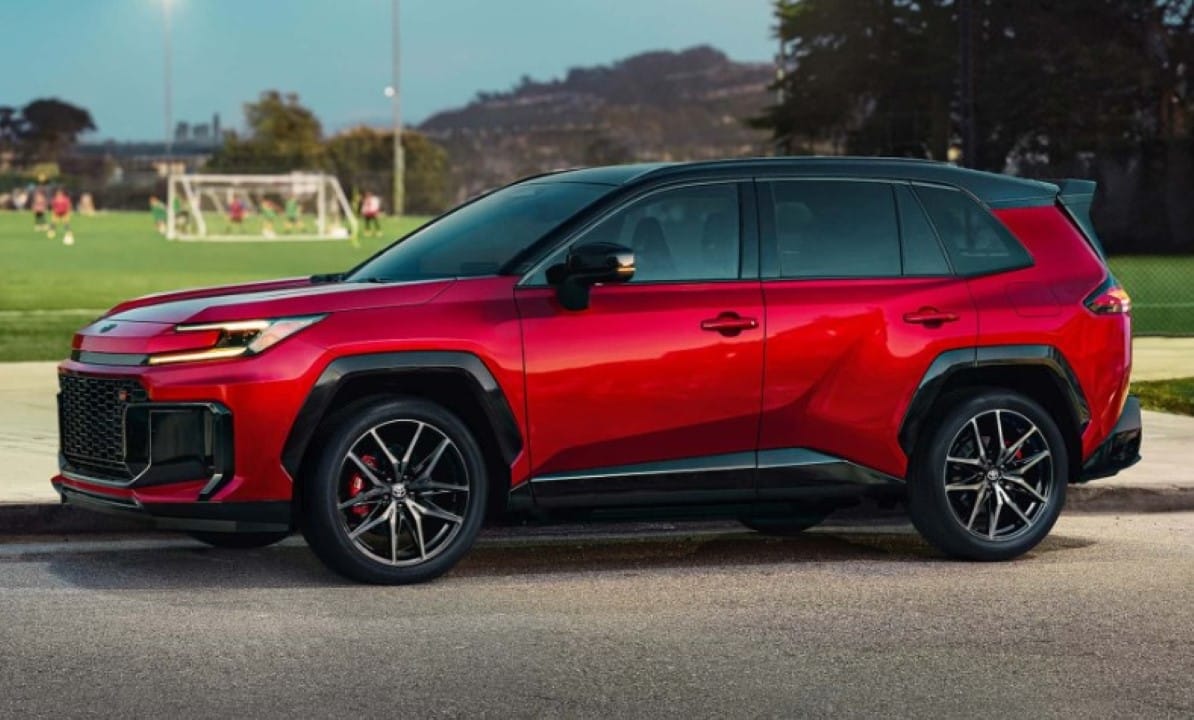
Toyota secured second place globally with the RAV4, which achieved a 2.4% share of total sales in the category. The Japanese model remains a reference for reliability, especially in the América of the Norte and Ásia. The availability of efficient hybrid versions was crucial to maintaining sales volume above 500,000 units in the Asian market alone.

The Honda CR-V occupied third place, with a share of 1.7% and a sales volume that reached 800 thousand units globally. The success of the CR-V lies in its value proposition focused on practicality and interior space. Ambos the models benefited from consumers’ caution in switching completely to electric vehicles, positioning themselves as safe alternatives with high resale value.
The Hyundai-Kia group also demonstrated strength by placing its main crossovers in the top 10:

– The Hyundai Tucson registered a 3.2% growth in sales, reaching fourth place in the world ranking, driven by a bold design.
– The Kia Sportage secured sixth position, maintaining stable sales thanks to its versatility and internal ergonomics.

– The aggressive pricing strategy of South Korean brands allowed them to compete directly with models from higher categories.
European setting and surprising highlights
On the European continent, Volkswagen advanced with the Tiguan, which showed a 2% growth in regional sales. The German model has benefited from engine improvements to meet environmental standards, in addition to offering a robust active safety package. In the luxury segment, the Mercedes-Benz GLC surprised with a 10% increase in sales, indicating that consumers with high purchasing power continue to invest in comfort and status.

One of the biggest statistical highlights of the year was the performance of Chevrolet Equinox, which jumped to ninth position globally after recording a significant increase of 31.5% in sales. The North American model capitalized on the demand for spacious and affordable vehicles, especially in the Américas. The renewal of the line, with more economical engines and an updated interface, put the Equinox back on the radar of middle-class families.
Analysis of purchasing behavior reveals that versatility is the most valued attribute globally. Crossovers have effectively replaced midsize sedans and minivans, offering the desired ride height and fuel economy needed for everyday use. The expansion of hybrid and electric options has only accelerated this dominance, breaking down the high consumption barrier that previously penalized sports utility vehicles.



