
New iPhone 17e should reach the global market without entry for a physical chip with total focus on esim technology

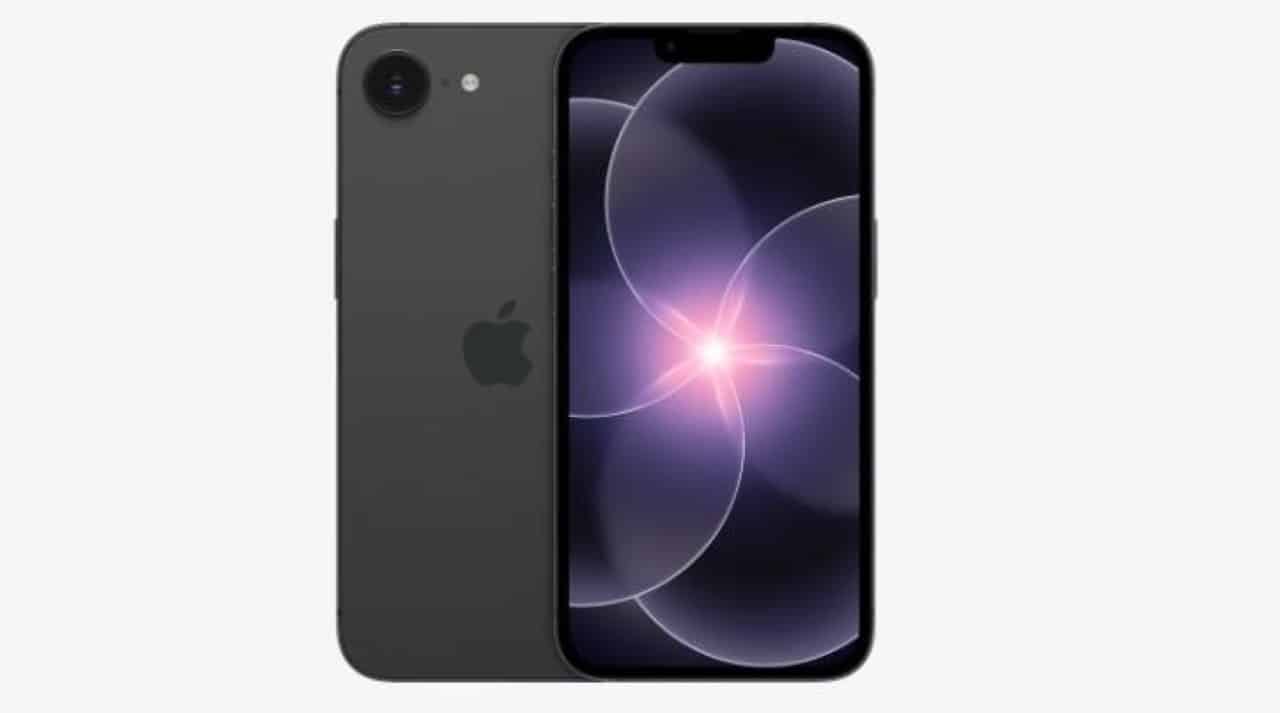
Apple is finalizing the development of a new variant for its next line of smartphones, preliminarily identified as the iPhone 17e, which should mark a definitive transition in the brand’s mobile connectivity. Segundo information gathered from Asian suppliers and reports from technology analysts, this specific model will be launched without the traditional physical drawer for nano-SIM cards, operating exclusively through eSIM technology. The decision reflects a design strategy that aims to optimize the internal space of the chassis, allowing the inclusion of larger batteries or new cooling components for the A19 processor.
The move by the Cupertino giant is not unprecedented, as the company has already been selling exclusive versions for the eSIM on the Estados Unidos since the launch of the iPhone 14 line. However, the introduction of the iPhone 17e signals that this policy will be expanded to other global markets, forcing telephone operators in several countries to accelerate the digitalization of their services. The absence of mechanical components for the physical chip also contributes to better sealing of the device against water and dust, in addition to making it more difficult for criminals to act in cases of theft, as the virtual chip cannot be manually removed to disconnect the device from the network.
For users who intend to purchase the new model, the configuration experience will be based entirely on software and QR Codes provided by service providers. Entre the main technical and practical benefits expected for this transition, the following points stand out:
- Easier to switch between different data plans and carriers without the need to handle ejection tools or tiny cards.
- Possibility of storing multiple operator profiles on the same device, facilitating the use of professional and personal numbers simultaneously.
- Enhanced security as the eSIM is linked directly to the hardware and protected by the iOS operating system’s layers of encryption.
- Reducing waste of plastic and electronic materials generated by the production and disposal of millions of physical SIM cards annually.
Transition to simplified digital connectivity
The implementation of the mandatory eSIM on the iPhone 17e is expected to generate a significant change in technology consumer behavior in regions where the physical chip is still predominant. Especialistas point out that Apple seeks to standardize its global ecosystem to reduce logistics and manufacturing costs, creating unique hardware that can be distributed worldwide without regional adaptations for different types of chip trays.
Global operators have already been notified of the need to enhance their remote activation systems to ensure customer support is efficient during the launch period. Embora the change may cause initial strangeness, the current digital infrastructure already supports mass migration, and the tendency is for other manufacturers of Android devices to follow the same path in the next update cycles.
Impact on internal design and hardware efficiency
Removing the physical chip drawer frees up valuable space inside the device that, although it may seem small, is crucial to the precision engineering of modern smartphones. With this extra space, Apple engineers were able to implement structural improvements that make the iPhone 17e thinner and stronger than its direct predecessors in the premium mid-range category.
In addition to the aesthetic gain, the absence of a side opening reduces points of vulnerability in the casing, which can result in higher grades in durability and pressure resistance tests. Energy efficiency also benefits, as the communication modem can be positioned more centrally, improving thermal dissipation during intense use of high-speed 5G networks.

Technological integration with the iOS 19 system
The launch of the iPhone 17e will be accompanied by the iOS 19 operating system, which will bring native tools to manage eSIM transfers in an automated way between old and new devices. The process will be carried out via proximity, using encrypted Bluetooth and Wi-Fi connections to ensure that the user’s digital identity remains protected throughout the migration procedure.
This deep integration between software and hardware is what allows Apple to ensure that the absence of a physical chip does not harm the end consumer’s experience. The system will also feature intelligent alerts for international roaming, suggesting local plans that can be activated instantly as soon as the passenger lands in a new country, eliminating the need to search for physical kiosks at airports.
Global security standardization for mobile devices
Security is one of the pillars that support Apple’s decision to eliminate the physical slot on the iPhone 17e in markets outside of Estados Unidos. In situations of loss or theft, a device equipped only with an eSIM remains trackable by the Buscar service as long as it has a battery, as the criminal cannot interrupt the data connection by simply removing the chip.
Furthermore, eSIM technology makes it difficult to clone numbers for social engineering attacks, such as the “SIM swap” scam, which has grown globally in recent years. With strict activation control linked to ID Apple and biometrics, the user is assured that their phone line is protected by multiple layers of two-factor authentication integrated into the hardware.
Market adaptation and support from local operators
The news of eSIM exclusivity on the iPhone 17e puts pressure on telecommunications companies that still have bureaucratic processes for issuing virtual chips. Muitas smaller or regional operators will need to invest in self-service platforms to avoid losing market share to competitors who already offer activation via app in a simplified way.
In emerging markets, Apple must work together with leading companies in the sector to ensure that the transition is smooth and that there are no barriers to adopting the new standard. The objective is for the iPhone 17e to become the symbol of a new era of wireless connectivity, where the physical barrier between the device and the telephone network ceases to exist permanently.
Availability and official launch prospects
The production schedule indicates that the iPhone 17e will enter the mass manufacturing phase in the coming months, aiming for the traditional Apple launch event that takes place annually in September. The model should occupy a strategic position in the company’s catalog, offering the main innovations of the 17 line with a special focus on portability and modern connectivity for young audiences.
Although the official price has not yet been released, analysts suggest that simplifying the hardware could help keep the value competitive, even with the inclusion of cutting-edge technologies. The expectation is that the model will help consolidate Apple’s leadership in network innovation, paving the way for all mainline models to definitively abandon physical support in the near future.
Continuous evolution of the Apple user experience
With each new generation, Apple demonstrates a commitment to removing legacy technologies to make room for the latest in the consumer electronics industry. Assim As with the headphone jack and charger in the box, the elimination of the physical chip in the iPhone 17e is seen internally as a necessary step in the evolution of the product.
The company focuses on offering an experience where the user does not need to worry about manual technical aspects, focusing only on the intuitive use of services and applications. The iPhone 17e therefore represents the culmination of this minimalist design philosophy, where every millimeter of hardware is used to offer the maximum possible performance in a device permanently and securely connected to the global network.



