
Nitori challenges the electronics market with a new line of 4K Mini LED TVs and competitive prices

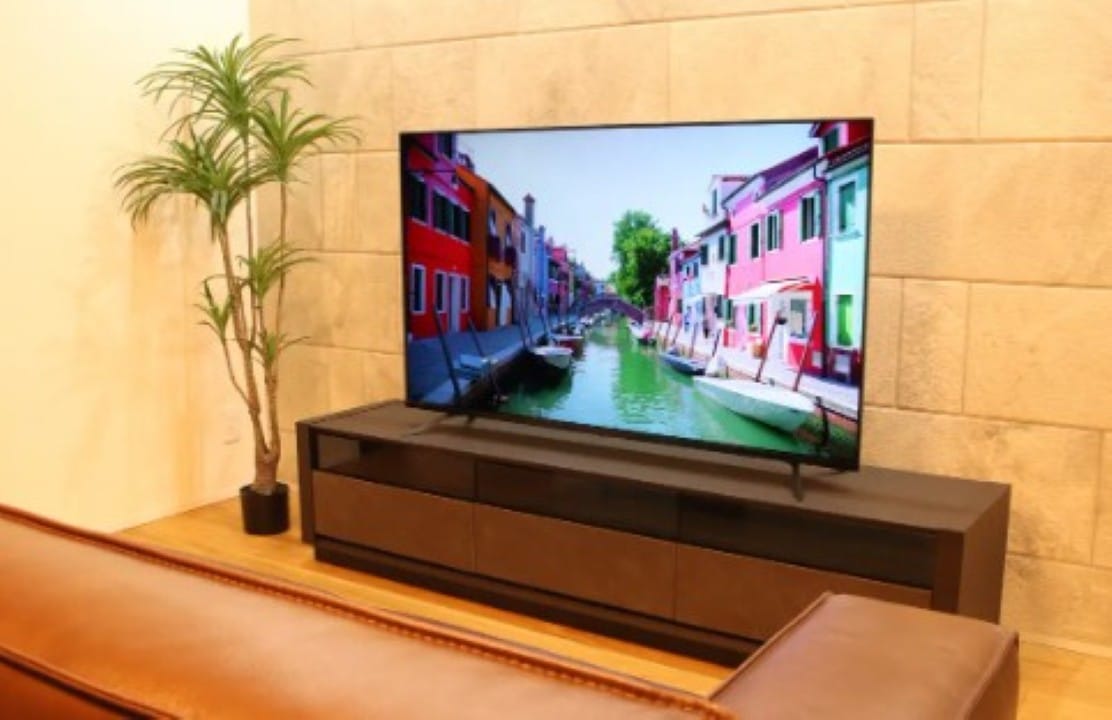
Japanese retail giant Nitori Holdings has announced a significant strategic move into the consumer electronics sector with the launch of a new series of high-definition televisions. Conhecida internationally due to its dominance in the furniture and decoration market, the company expands its “Electronics” product portfolio with the introduction of models equipped with Mini LED technology. The new devices, which hit shelves at the end of February 2026, promise to intensify competition in the entry-level and mid-range segment, offering advanced technical specifications usually found in much higher-cost devices.
This initiative reflects a change in the company’s commercial approach, which seeks to consolidate the concept of total coordination of domestic environments. By integrating large electronics into its traditional catalog of sofas and bookshelves, the retailer aims to capture a larger share of the household budget allocated to living room renovations. The bet lies in the combination of minimalist design, aesthetic compatibility with contemporary furniture and, crucially, an aggressive price that challenges established traditional electronics brands in the Japão.

The new models are available in two main sizes, designed to fit most modern homes. The 55-inch version was announced with a suggested retail price of 79,900 yen, while the larger 65-inch model will retail for 99,900 yen. Esta pricing structure puts advanced backlight technology within reach of a wider audience, democratizing access to imaging features that were previously exclusive to premium lines from specialty manufacturers.
Advances in imaging and processing technology
The central technical difference of this new line lies in the implementation of the Mini LED panel, a significant evolution in relation to conventional liquid crystal displays. The technology uses much smaller light-emitting diodes than traditional LEDs, allowing a greater number of light sources to be installed behind the screen. The practical result is much more precise control over local dimming, which provides more intense contrasts and deeper blacks, bringing image quality closer to that offered by OLED panels.
To manage this lighting complexity, televisions are equipped with state-of-the-art image processors. The system analyzes content in real time to adjust brightness and color, ensuring that dark scenes maintain details in the shadows and that bright areas do not suffer from the effect of light leakage, known as blooming. The Ultra HD 4K resolution, with 3840 x 2160 pixels, ensures the clarity necessary for the reproduction of modern content, from sports broadcasts to high definition films.
Visual fidelity is enhanced by comprehensive support for the industry’s leading High Dynamic Range formats. The devices are compatible with HDR10, HLG and Dolby Vision. Esta versatility ensures that consumers can enjoy the best possible image quality, regardless of the content source, whether via streaming, physical discs or digital transmissions. The inclusion of Dolby Vision, in particular, stands out for adjusting image metadata frame by frame, optimizing the visual experience in line with the director’s original intent.
Smart Features and Operating System
At the heart of the user experience is integration with the Google TV system. The choice of this platform reflects the need to offer an intuitive, content-centric interface, which brings together suggestions from different streaming services on a single home screen. The operating system allows direct access to a vast library of applications, including entertainment giants such as YouTube, Netflix, Amazon Prime Video and Disney+, eliminating the need for external devices to access online services.
Google TV’s artificial intelligence plays a key role in personalizing everyday use. The system learns from the user’s viewing habits to recommend new films and series, creating distinct profiles for different family members. Além In addition, the voice command capability makes it easier to search for content and control basic television functions, integrating the device into the smart home ecosystem.
Wireless connectivity has also been improved to support the demand for high-bandwidth transmissions. With support for dual-band Wi-Fi and Bluetooth, users can connect headphones, soundbars and other peripherals without the clutter of cables, maintaining the room’s clean aesthetic. The integrated Chromecast functionality also allows quick mirroring of content from smartphones and tablets, expanding the possibilities for social use of the television.
Sound performance and auditory immersion
The audiovisual experience is complemented by a sound system designed to match the image quality. The televisions incorporate support for Dolby Atmos, a spatial audio technology that creates a sensation of three-dimensional sound. Unlike traditional stereo systems, the Dolby Atmos allows sounds to be interpreted as independent objects, moving through the environment to create a more realistic immersion in action movies and games.
The audio hardware consists of a two-way speaker system, which separates bass from treble frequencies to ensure clarity in dialogue and impact in action scenes. The configuration includes dedicated woofers for low frequencies and tweeters for high frequencies, totaling an output power suitable for medium-sized rooms. The speaker design has been optimized to project audio towards the viewer, minimizing distortion even at higher volumes.
For audio enthusiasts looking for even higher performance, the presence of an HDMI port with eARC support is an essential feature. The enhanced audio return channel allows the transmission of high-resolution, uncompressed sound signals to external receivers and soundbars. Isso ensures that the television can act as the command center of a complex home theater system, without loss of quality in audio signal processing.
Connectivity and functional design
The versatility of connections is a strong point of the new line, catering to both casual spectators and gamers. The devices have three HDMI inputs, allowing the simultaneous connection of video game consoles, Blu-ray players and computers. Compatibility with the latest HDMI specifications ensures that televisions are prepared to handle the frame rates and resolutions required by current generation consoles.
The physical design of the televisions follows the minimalist philosophy that characterizes the brand’s products. The edges of the screen have been reduced to the minimum possible, creating an “infinite screen” appearance that maximizes immersion and reduces visual distractions. The table support is discreet and functional, designed to offer stability without taking up excessive space on the furniture, making it easier to accommodate soundbars just below the screen.
Thinking about integration with different styles of decoration, the company maintained compatibility with the VESA standard for wall mounting. Isso allows consumers to use universal brackets or opt for the brand’s proprietary brackets, which are designed for easy installation and angle adjustment. The reduced thickness of the panel, made possible by the Mini LED technology, helps the device stay flush to the wall, resembling a painting when not in use.
Market impact and prospects
The launch of these televisions comes at a time of transformation in the Japanese and global electronics market. The entry of retailers from other sectors into the high-technology segment puts pressure on traditional manufacturers to review their pricing and innovation strategies. By offering premium features such as the Mini LED and Dolby Vision at affordable prices, the new line sets a new level of cost-benefit that should influence consumer expectations throughout 2026.
The combined sales strategy, where the television is presented as an integral part of the living room furniture, offers a unique competitive advantage. Consumers can view the product in decorated environments in physical stores, facilitating the purchase decision based not only on technical specifications, but also on aesthetic harmony with the home. Este hybrid business model could signal a future trend for electronics retail.
With the quality assurance and customer support network already established by the retailer, the trust barrier for purchasing a private label electronics product is significantly reduced. The company is betting that the combination of cutting-edge technology, fair price and brand reliability will be enough to gain a relevant position in the competitive television market, challenging the hegemony of conventional technology brands.



