

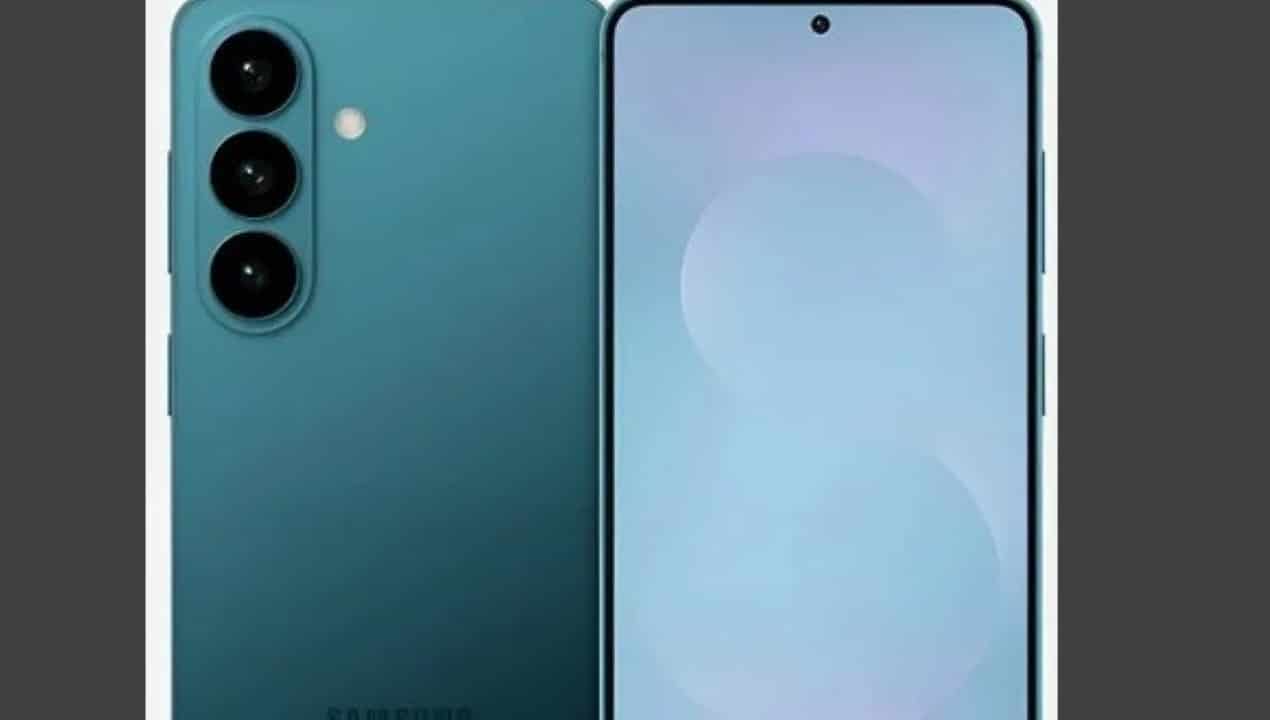
The launch of the Samsung Galaxy S26 Ultra, the South Korean manufacturer’s latest high-end smartphone, is being marked by a wave of complaints from users on various digital platforms. The focus of the criticism lies on the privacy screen functionality, one of the brand’s biggest technological bets for this cycle, which would be compromising the device’s basic visual experience. Relatos indicate that the component has a noticeable drop in image quality, affecting brightness and sharpness even when the specific angle lock feature is not in operation.
The technology implemented by Samsung works by alternating between elongated and wide pixels to make it difficult for third parties to view the display’s content from the side. However, the process of deactivating normal pixels to reduce the viewing angle appears to have had side effects on color reproduction and contour definition. Especialistas from the technology sector note that the complexity of this new pixel matrix could be the direct cause of dissatisfaction, since the overall performance of the screen would be lower than that recorded in the predecessor model, the Galaxy S25 Ultra.
The main points of dissatisfaction highlighted by consumers include:
- Drastically reduced maximum brightness during outdoor use.
- Loss of color fidelity compared to previous generations of the S line.
- Significant increase in light reflection on the front panel of the device.
- Blurry sensation in small texts and operating system icons.
Challenges of the new anti-reflective coating and viewing angles
Technical hardware analysis reveals that the Galaxy S26 Ultra’s viewing angles appear narrower than expected for a high-end AMOLED panel, even in conventional display mode. Muitos consumers noted that the device did not inherit the acclaimed anti-reflective coating that was the highlight of last year’s model, resulting in a screen that reflects much more of the surrounding environment. Essa structural change makes it difficult to use the smartphone in direct sunlight, an unexpected setback for the brand’s premium category.
Embora o desempenho do display ainda consiga superar concorrentes diretos em certas métricas de laboratório, a comparação interna com o portfólio da própria Samsung é o que mais gera frustração. A ausência do tratamento químico especializado no vidro frontal faz com que a luz ambiente interfira na percepção de contraste, invalidando parte do avanço tecnológico prometido pela nova tecnologia de polarização. As redes sociais acumulam registros fotográficos que comparam lado a lado o S25 Ultra e o S26 Ultra, evidenciando a superioridade do modelo antigo em termos de clareza e controle de reflexos indesejados.
Impact on eye fatigue and text rendering
The reading experience on the new device has also been the subject of intense debate due to frequent reports of eye strain after short periods of use. Analistas indicate that this phenomenon may be linked to the combination of a pulse width modulation (PWM) refresh rate of 480Hz with the new organization of subpixels. The presence of additional pixels dedicated exclusively to the privacy function seems to interfere with the smoothness of the fonts, making the text appear slightly blurred or with jagged edges.
To try to mitigate these effects, it is recommended that users make manual adjustments to the system’s display settings. Definir the screen resolution to maximum (QHD+), changing the color profile to “vivid” mode and disabling the color tone adaptation function may offer a palliative improvement in sharpness. However, these modifications do not resolve the structural issue of the hardware technology, which requires more accurate rendering to avoid the discomfort reported by a considerable portion of the user base.

Evolution of privacy technology on mobile devices
The concept of built-in privacy filters is not entirely new, having been widely used on corporate laptops for years, but transposing it to smartphones presents unique scaling challenges. On smaller screens with very high pixel density, any additional layer or change in polarization directly impacts light transmission. Samsung sought to innovate by integrating this function directly into the panel, but initial results suggest that the technology is still at an early stage of maturation.
Industry projections indicate that software adjustments via firmware updates could optimize power management and image processing in the coming months. Contudo, drastic improvements in the physical part of the display, such as the issue of reflections, should only be resolved in future hardware revisions or in the launch of successors. The market estimates that it will take at least two years for privacy pixel technology to achieve the ideal balance between security and crystal-clear image quality.
Performance comparison between high-end models
- The Galaxy S26 Ultra introduces privacy pixels but sacrifices high-efficiency anti-glare treatment.
- Competitive models maintain traditional panels with greater static brightness, but without the side lock feature.
- Text fidelity in the current model requires manual settings to achieve the 2025 generation visual standard.
- The 480Hz PWM rate remains a point of attention for users sensitive to flicker on OLED screens.
Technical perspective on how subpixels work
The subpixel architecture of the new panel has been redesigned to accommodate light emitters that create a visual barrier for those looking from the side. Esse redesign reduces the effective space for traditional primary color subpixels, which explains the perception of lower density by more attentive users. Essa design choice prioritized security functionality over absolute visual purity, a decision that now divides opinion among the technology enthusiast public.
Current limitations and recommendations for use
In the current scenario, the privacy functionality of the Galaxy S26 Ultra should not be labeled as a manufacturing defect, but rather as a feature of a technology in the implementation phase. The feature does what it promises by hiding screen content from curious observers, making it extremely useful on public transport or confidential meetings. The critical point lies in the consumer’s expectations, who expected that this addition would not impose a burden on basic viewing functions.
For those who prioritize high-definition media consumption and photo editing, the limitations of the new panel may be more evident and uncomfortable in everyday life. It is essential that the user understands that activating privacy mode will inevitably reduce the available brightness, a physical characteristic of current technology. The recommendation for new owners is to keep the system always updated, as Samsung usually releases screen optimization packages shortly after the first few months of global consumer feedback.
Summary of front panel technical specifications
The device’s screen maintains the generous dimensions of the Ultra line, offering a vast work area and interaction with the S Pen pen. The support hardware for the privacy screen is integrated invisibly, without altering the thickness of the device, which represents a considerable engineering feat. Mesmo with the criticism, Samsung maintains that innovation is necessary to meet the demands of digital security in a world where visual privacy becomes increasingly relevant for the corporate user.
The company continues to monitor official forums and complaints registered on its support channels to identify possible batches with excessive quality variations. In some isolated cases, the lack of anti-reflective coating may appear more pronounced due to variations in factory calibration, which may lead to warranty replacements if a deviation from established standards is proven. Transparency about the screen’s real capabilities will be essential to maintain user confidence in the manufacturer’s premium line.



