
Samsung invests in Exynos chips to reduce Qualcomm spending on upcoming Galaxy launches

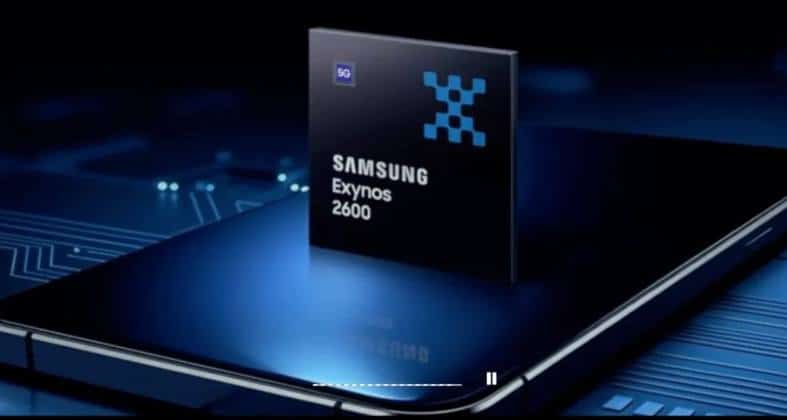
South Korean giant Samsung is redefining its semiconductor supply chain strategy for the coming fiscal cycles, with a specific focus on the launch of the Galaxy S26 line expected in January 2026. Qualcomm. Dados from the industry indicate that while the immediate transition maintains a hybrid model, the long-term roadmap clearly points to a predominance of in-house silicon in edge devices. Esse move is not just a cost containment measure, but a structural change supported by massive investments in 2nm manufacturing processes and custom graphics architectures developed in partnership with AMD. The decision comes at a time when component prices have soared, leading manufacturers to seek vertical integration to preserve profit margins.
The current operational plan suggests a distribution where Snapdragon 8 Elite Gen 5 will still equip the majority of units, accounting for around 75% of the total production volume. However, the remaining 25% represents a crucial proving ground for the new generation of Exynos chips, which are being positioned to demonstrate viability in high-performance and energy-efficient scenarios.

Market analysts interpret this change as the beginning of a gradual decoupling of North American suppliers, aiming for greater technological sovereignty. If successful, the performance of the new Exynos 2600 could dictate the pace of this transition for future generations of the Galaxy ecosystem, changing the competitive dynamics of the industry.
Technical details and processing innovation
The development of the Exynos 2600 marks a significant advance in Samsung’s semiconductor engineering, being one of the first mobile chips to utilize the 2nm manufacturing process. Essa Advanced lithography is essential to ensure higher transistor density, resulting in better performance per watt consumed. The component integrates the Xclipse 960 GPU, based on a customized variant of AMD’s RDNA 4 architecture, promising to double the graphics computing capacity compared to its predecessors. Essa evolution is vital to support the growing demands of mobile games and augmented reality applications.
In addition to graphics power, Samsung has prioritized optimizing Unidade’s Processamento Neural (NPU) to handle generative artificial intelligence tasks directly on the device. Support for LPDDR5x memories and UFS 4.1 storage ensures that data flow keeps up with processor speed, eliminating bottlenecks in overall system performance.
Production challenges, however, remain on the company’s radar, with initial yields estimated at 50%. The engineering team works intensively on optimizations to increase this rate before mass production, ensuring that the volume required for global launch is achieved without compromising the final quality of the product.
Financial impact and production costs
The economic motivation behind this strategy is clear and urgent for the financial health of the company’s mobile division. The Qualcomm processors reached values close to US$280 per unit in current models, with projections of further increases for future generations. Esse high cost puts pressure on the profit margins of flagship devices, forcing the manufacturer to choose between absorbing the cost or passing it on to the end consumer, which could affect price competitiveness.
By expanding the use of its proprietary technology, Samsung is able to avoid paying these high premiums to external suppliers. Control over chip design and manufacturing allows for more efficient cost management, as well as offering flexibility to adjust production according to global market demand.
Regional segmentation and market strategy
The implementation of the dual-chip strategy will follow a strict geographic logic for the Galaxy S26 series. The Snapdragon 8 Elite Gen 5 will remain dominant in key markets such as the Estados Unidos and The Já and Exynos 2600 will be introduced in selected regions, including the Europa and the Coreia of the
- Ultra variants will maintain global use of Qualcomm chips to ensure maximum performance consistency.
- Standard and Plus models will serve as the main platform for the expansion of the Exynos into European and Asian markets.
- The 75/25 split allows you to test the acceptance and performance of your own hardware on a real scale, minimizing commercial risks.
Future vision and technological autonomy
The investment in dedicated teams for the internal design of CPUs and GPUs signals an ambition that goes beyond smartphones. The company plans for the successor, the Exynos 2800 due in 2027, to debut with a fully proprietary GPU, further reducing dependence on third-party intellectual property. Esse strategic move aims to place Samsung on an equal footing with competitors such as Apple, which already operate with fully customized silicon.
The gradual transition observed in line S26 serves as a basis for this future expansion. By balancing the proven performance of the Snapdragon with the potential of its own technology, the manufacturer sets the stage for the Exynos to take on a majority role in flagships from 2027 onwards, consolidating its autonomy in the semiconductor sector.



