
Samsung’s new strategy prioritizes 2nm Exynos processors in the Galaxy S26 line in global markets


The South Korean giant’s mobile experience division confirmed a major restructuring in its hardware supply chain during the recent Galaxy Unpacked event. The focus of the new guideline is to expand the company’s technological autonomy, reducing dependence on external partners through the massive implementation of proprietary components in the next generation of premium devices. Essa change aims to strengthen the product ecosystem and ensure deeper integration between the operating system and physical processing.
Innovation with 2 nanometer lithography
The central pillar of this transformation is the launch of the Exynos 2600 chipset, developed with advanced 2 nanometer manufacturing technology and GAA (Gate-All-Around) architecture. The engineering behind this component was designed to overcome thermal and energy efficiency limitations observed in previous models, allowing the company to deliver superior performance in a reduced physical space within the devices’ chassis.
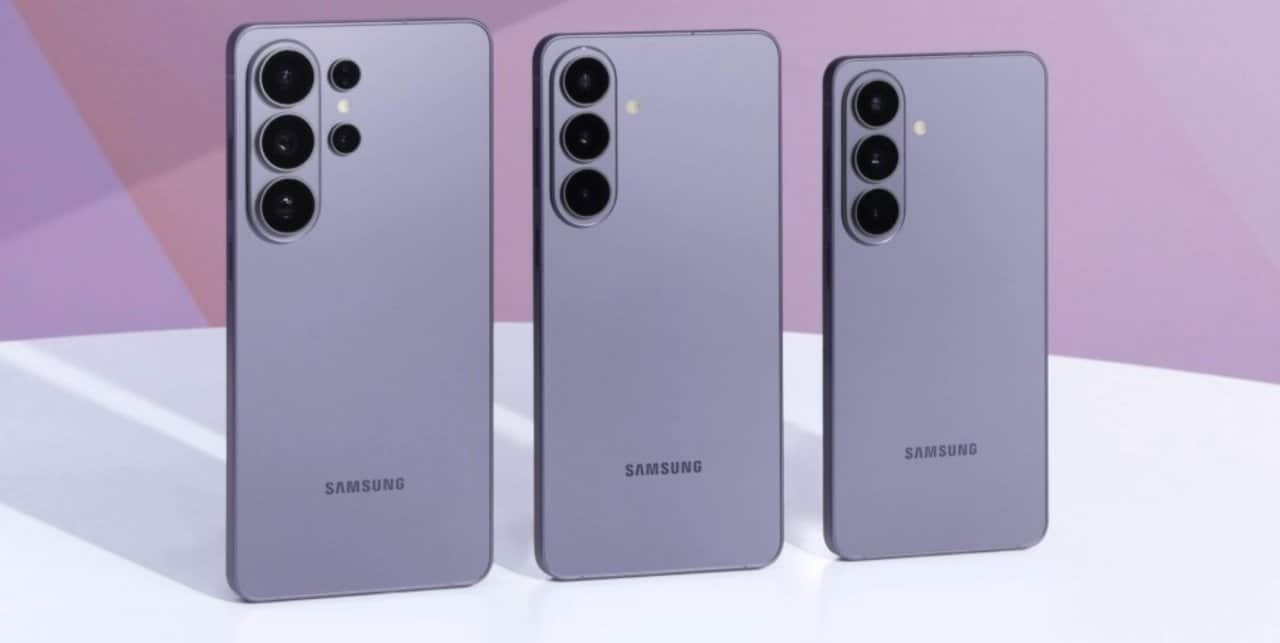
The technical specifications point to significant advances in artificial intelligence processing, with a completely redesigned Unidade of Processamento Neural (NPU). Além Additionally, optimizing heat management and increasing energy efficiency are priorities to ensure that hardware supports new software demands without compromising battery life, responding directly to feedback from users of past generations.
Regional distribution and market strategy
The implementation of the new processors will follow a logic of geographic and model segmentation, maintaining strategic partnerships in specific territories. The Galaxy S26 and S26 In return, regions such as Estados Unidos, China and Japão will receive versions equipped with the Snapdragon 8
For the most robust model in the family, the Galaxy S26 Ultra, the manufacturer chose to maintain global uniformity by exclusively using the Qualcomm chips. Esta strategic decision aims to ensure maximum performance for the enthusiast public, taking advantage of the gains of 39% in AI tasks and 24% in graphics processing promised by the new generation of the Snapdragon, while the proprietary solution matures in the standard versions of the line.
Self-sufficiency and future perspectives
The move to internalize semiconductor production reflects a long-term plan to increase profitability and control over the final product. By expanding the use of internal components, the company seeks not only to reduce manufacturing costs, but also to speed up the development of new features that depend on fine-tuning between hardware and software, following a verticalization trend in the industry.
The success of this transition will directly depend on public reception and real-world performance testing of the Galaxy S26 line. The company will closely monitor consumer feedback and technical benchmarks to adjust the Exynos adoption timeline for future releases, balancing internal innovation with the reliability required by the high-performance smartphone market.



