
US House Committee grills Bill Clinton under seal over connections to Jeffrey Epstein


An intense movement marked the scenes of the North American Congresso this week, culminating in a hearing held behind closed doors last Thursday, February 27th. The central focus of attention was former president Bill Clinton, summoned to provide detailed explanations to a committee of Câmara on the nature and extent of his relationship with the deceased financier The session, treated with a high degree of confidentiality, sought to shed light on documents and travel records that link the former president to Epstein’s private aircraft, in a legislative effort to ensure transparency about the connections between the political elite and figures involved in sexual scandals.
The initiative to summon the former president for a private statement reflects a new phase in investigations that seek to understand whether there was institutional negligence or concealment of information in the past. Parlamentares thoroughly examined the diaries and logbooks that place Clinton on several international trips, questioning the purpose of these trips and whether the activities carried out were consistent with the previously alleged humanitarian missions. Pressure for clear answers increased significantly following the release of new court documents that brought Clinton’s name to light in the context of Epstein’s operations.
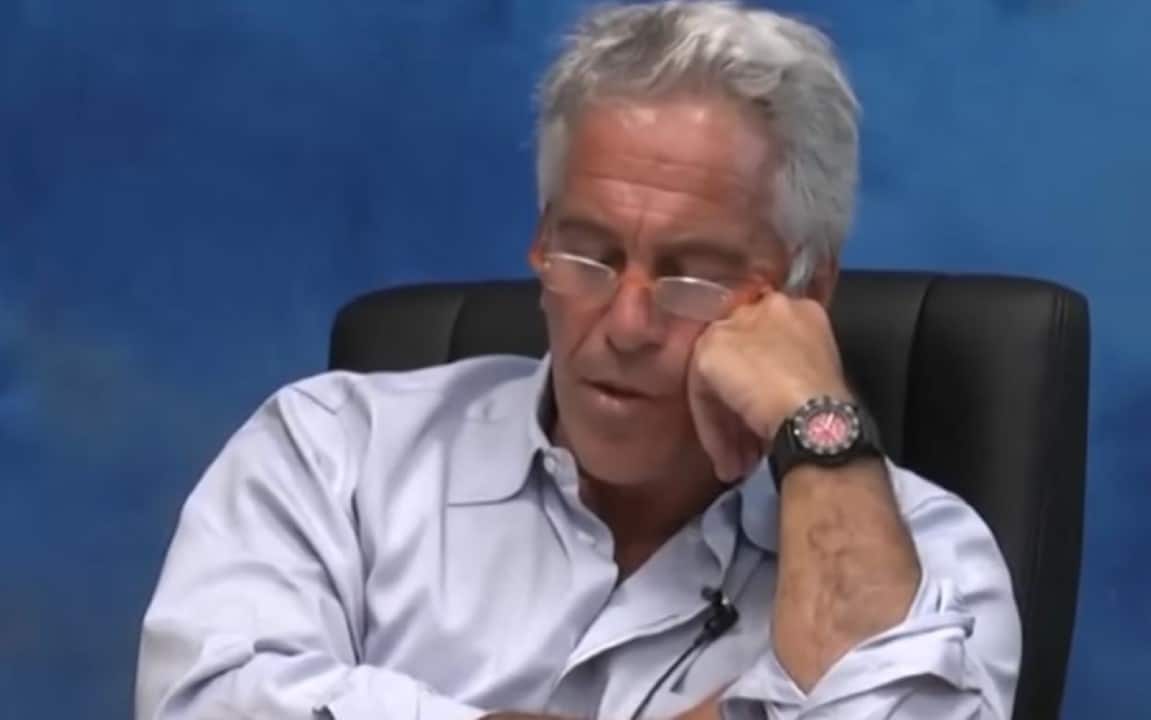
During the hearing, which lasted several hours, the atmosphere was described by internal sources as strictly professional, but incisive. The legislators did not limit themselves to superficial questions, delving deeper into the logistics of the trips and the frequency of meetings between the two figures. The committee’s stated objective is not only to review historical facts, but to determine whether political influence was used at any time to shield Epstein from the legal consequences of his actions during the period in which he maintained proximity to global leaders.
The decision to keep the exact content of the responses under temporary secrecy generated debates about the need for full publicity of public acts versus the protection of sensitive data in ongoing investigations. However, holding the meeting signals that the American Legislativo is willing to revisit controversial chapters of recent history, regardless of the political stature of those involved, in response to society’s growing demand for responsibility and clarity in power relations.
Detailed analysis of flight records
The central point of the investigation lies in the use of aircraft Boeing 727 by Epstein, infamously and popularly known in the media as “Lolita Express”. According to forensic analysis of piloting records presented to the committee, it was identified that Bill Clinton used the aircraft on at least 16 separate occasions. Este number contradicts previous perceptions that the encounters would have been sporadic or limited to a few isolated events, requiring a detailed explanation of each section flown.
The routes mapped by the researchers show an extensive and complex itinerary, covering continents and exotic locations that go far beyond traditional diplomatic centers. The committee seeks to understand the logic behind choosing this specific mode of transportation, given that former presidents generally have other logistical and security options available. The insistence on the use of Epstein’s private resources raises questions about the personal closeness between them and whether there were compensations expected or offered during these periods of coexistence.
Among the topics covered by the investigators during the analysis of the documents, crucial points that seek to establish the exact chronology of the facts stand out:
- Travel destinations: The records indicate trips to Europa, several countries in Ásia and nations in África, in addition to stopovers at the residence of Epstein in Nova York and at the private island in Caribe.
- Passenger list: The committee is cross-referencing the data to check who else accompanied Clinton and Epstein on these trips, identifying whether there were any minors or other figures of interest.
- Coinciding dates: The investigation focuses on the period between 2002 and 2003, analyzing whether the travel dates coincide with events or illicit activities already documented in other cases against Epstein.
- Declared versus real purpose: Há an effort to validate whether all trips actually had a philanthropic nature linked to
Still within the scope of the documentary analysis, the legislators questioned the existence of gaps or inconsistencies in the original flight manifests. The suspicion is that the public documentation may have been just a fraction of the aircraft’s operational reality. Access to this raw data now allows Congresso to carry out an independent audit, without relying exclusively on the versions presented by legal defenses in the past.
Political implications and the current scenario
The summoning of a figure of Bill Clinton’s stature to testify, even if in secret, carries an inevitable political weight in Washington. Aliados of the former president maintain that the investigation has a partisan bias, designed to damage the image of the Democratas by revisiting decades-old cases. Argumentam that Clinton has already vehemently denied any knowledge of Epstein’s sexual crimes and that their interactions were limited to the scope of global charities and international forums.
On the other hand, the members of the committee leading the investigation argue that justice must be blind and that time cannot serve as a shield for impunity. The thesis is that Epstein’s network of influence only prospered due to complacency or active protection from powerful friends. By interrogating Clinton, Congresso attempts to send a message that no one is above the law and that connections to convicted sexual predators will be examined through the lens of public ethics and national security.
The repercussion of the case also affects public perception of American institutions. With the gradual declassification of court documents related to Ghislaine Maxwell, an accomplice of Epstein, society has demanded a more active stance from the authorities. The silence or inaction in the face of prominent names mentioned in the processes generated a crisis of confidence that the current investigation tries to mitigate, showing service and diligence in investigating the facts.
The future of research and developments
Clinton’s testimony does not conclude the committee’s work, but it serves as a fundamental piece in a larger puzzle. The expectation is that the information collected during the secret session will be cross-referenced with testimonies from other witnesses and with new digital evidence that may emerge. The strategy is to surround the contradictions and check whether there was perjury or deliberate omission of information in past statements.
Legal experts point out that, although it is unlikely that direct criminal charges will arise against the former president based solely on these flights, the reputational damage and historical clarification are tangible consequences. The investigation serves to rewrite the narrative about how the global elite interacted with Epstein, removing the veil of normality that covered these relationships and exposing the security risks involved in proximity to criminally compromised figures.
The committee is expected to prepare a final report in the coming weeks, where it could recommend new steps or propose legislative changes on how former public agents should report interactions and trips financed by third parties. The search for the truth about the Epstein case continues to be a driver of political pressure, ensuring that the topic remains on the agenda and that everyone involved, directly or indirectly, is held accountable for their choices and associations.



