Complex PS3 architecture drives game recompilation to ensure preservation of classics


The legacy of video games faces a monumental technical challenge when it comes to preserving titles released two decades ago. The Sony console released in 2006, known for its robust library, has become one of the biggest obstacles to modern software engineering due to its unique internal structure. The Cell Broadband Engine processor, which was the heart of the device, created a scenario where simple brute force emulation is no longer sufficient to ensure that interactive works remain accessible on current platforms.
Engineers and development studios are taking a new strategic approach to overcome the hardware barriers imposed by the old system. Instead of trying to simulate the original console’s behavior on modern computers, the industry moves toward recompiling the source code. Esse process involves translating the game’s original instructions so that they work natively on contemporary processors, eliminating the real-time translation layer that often causes graphical glitches and performance drops.
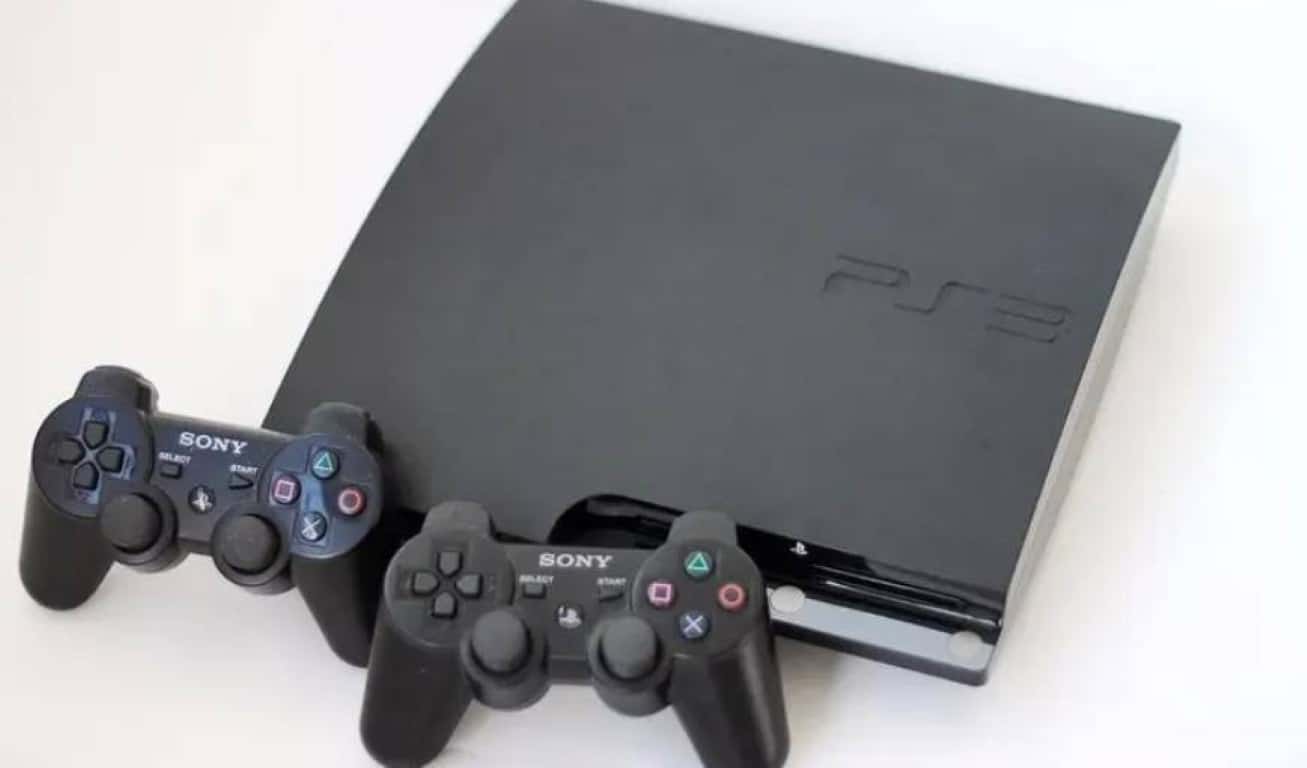
Barriers imposed by processor Cell
The PlayStation 3’s architecture differs radically from the x86 standards used in most current computers and consoles, such as the PlayStation 5. The system operated with a main core, called Elemento from Essa configuration required developers at the time to divide tasks in a very specific way, delegating physical and audio calculations to the auxiliary cores while the main core managed the general logic.
To emulate this environment today, a computer must undertake extraordinary computational effort. Não is just about having a fast processor, but being able to precisely synchronize the response time between nine different processing units. Qualquer mismatch in this internal communication results in crashes, audio errors or unpredictable behavior in the games’ artificial intelligence, making the final experience very different from the original.
The complexity is such that, even with the advancement of hardware in the last 20 years, the perfect emulation of certain “AAA” titles still requires extremely high-performance machines. Isso makes it impossible to simply sell emulators to the general public, forcing copyright holders to look for more elegant and definitive solutions, such as native code portability.
Technical advantages of recompilation
The static or dynamic recompilation technique offers benefits that go far beyond simple compatibility. By adapting the game to run natively on modern hardware, developers are able to unlock improvements that would be impossible or unstable via traditional emulation. Títulos that previously struggled to maintain 30 frames per second can now run with total fluidity, taking advantage of the high frequencies of current processors.
In addition to raw performance, code modernization allows the integration of recent technologies that update the visual and user experience:
- Native support for 4K resolutions without the need for image-degrading resizing filters.
- Using modern SSDs to drastically reduce load times, eliminating the long waits of the past.
- Permanent fix for audio and rendering bugs that were caused by the idiosyncrasies of the original hardware.
- Implemented unlocked frame rates for high-frequency monitors.
Recent examples in the industry indicate that large franchises are following this path. Especulações about the relaunch of works such asMetal Gear Solid 4suggest that Konami and other studios have chosen not to use emulation. By recompiling the game, it is possible to detach the title’s logic from the shackles of the Cell processor, ensuring that it can run not only on today’s consoles, but also on future generations of hardware without the need for complex new porting work.
The imperative of digital preservation
The difficulty of accessing games trapped in the PS3 architecture raises serious questions about the cultural memory of video games. Títulos generation-defining exclusives are at risk of functionally disappearing as physical consoles fail and community emulation encounters technical ceilings. The initiative to recompile these games serves as a historical protection measure, ensuring that the game design and narratives created at the beginning of the 21st century remain alive.
This technological transition marks a maturation of the sector. Recognizing that software must be independent of the original hardware is a crucial step towards the longevity of the medium. Enquanto While emulation will continue to be a vital tool for the enthusiast community and for the preservation of entire libraries, commercial recompilation sets a new standard of quality for bringing classics back to market, respecting both the original work and modern consumers’ demands for performance and stability.