
Conflict in the Middle East: Israeli offensive intensifies in Lebanon and Iran, with more than a thousand dead

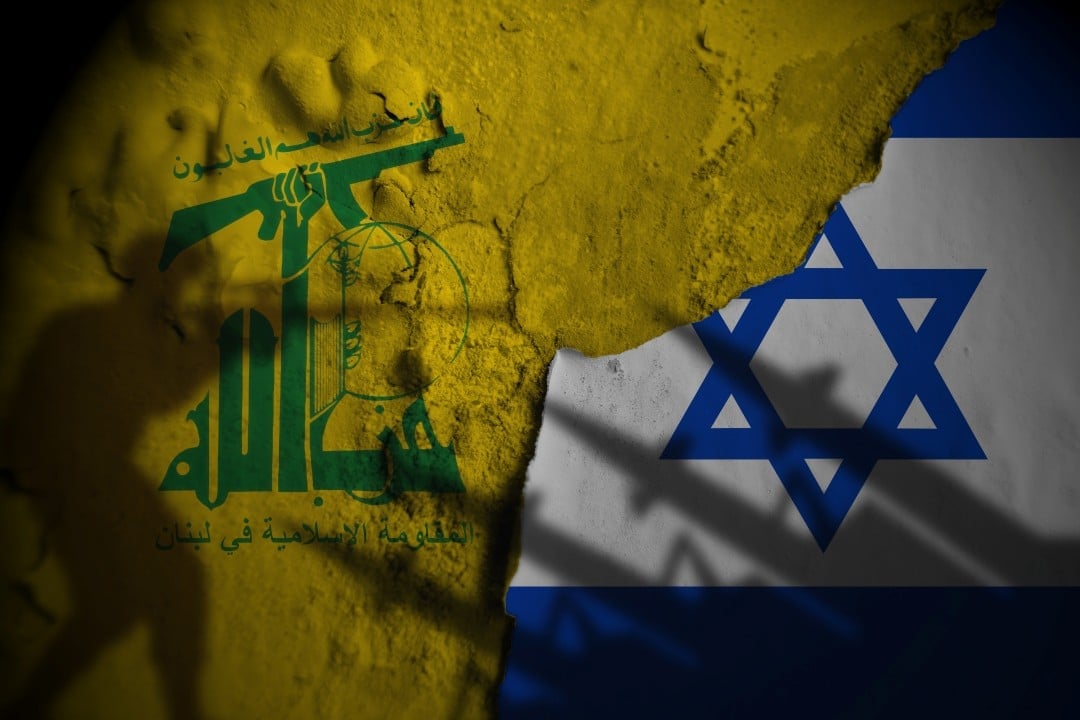
The Middle East faces a dramatic escalation of tensions, with Israel expanding its military operations in Irã and southern Líbano. Este scene of intense fighting, which began on Saturday, February 28, resulted in the deaths of more than a thousand people in Irã, including key figures such as the supreme leader Ali Khamenei and important military chiefs of the country. The series of attacks and counterattacks that followed transformed the region into a scene of profound instability and international concern.
The joint attack by the armed forces of the Estados Unidos and Israel, which marked the beginning of the war, provoked an immediate Iranian response. Teerã launched missiles against Israel and US military bases spread across the Middle East, hitting several countries and exacerbating the crisis. The global community is following the developments with apprehension, while diplomatic efforts try to contain the unprecedented escalation.
The military escalation in the region

The crisis in the Middle East gained more severe contours after the first coordinated attacks on Iranian soil, which targeted strategic targets and resulted in significant casualties. Este movement accentuated the retaliation of Irã, who promised revenge and was quick to act against the interests of his opponents.
Hostilities spread across several fronts, with reports of bombings and clashes multiplying daily, transforming towns and cities into conflict zones. Concern about regional security and stability reaches critical levels, mobilizing world powers in search of diplomatic solutions.
Iranian retaliatory actions and air defense
After the initial attack, the Irã quickly reacted with missile launches aimed at the Israel and Estados Unidos military installations in the Middle East. One such Iranian attack struck a US military base at Iraque on Tuesday, March 3, signaling the breadth of the Iranian response.
The Emirados Árabes Unidos announced that they had shot down three ballistic missiles and 121 drones in the last hours of March 4th. Além In addition, another eight drones fell on the country’s territory, highlighting the intensity of the aerial clashes.
The Catar government, in turn, reported that it intercepted two ballistic missiles and ten attack drones launched by the Irã. Esses projectiles were shot down by air defense systems, marking the first time that Catar confirms the shooting down of Iranian ballistic missiles since the start of the conflict. The US base of Al Udeid, in Catar, was hit by an Iranian missile, but there were no injuries.
Effects on global trade and maritime security
The Adidas store in Israel was hit by missiles launched by the Irã, as reported by the German brand on March 4. Commercial director Mathieu Sidokpohou confirmed that the store was closed at the time of the attack and no one was injured, with employees taken to shelters.
Adidas CEO, Bjorn Gulden, expressed the expectation of a negative impact on revenue due to store closures in important shopping centers in the Middle East, including The brand’s priority, according to him, is people, above business in the region.
On March 4, an oil tanker was hit near the coast of Emirados Árabes Unidos by debris from an “unknown projectile,” according to a maritime agency in Reino Unido. Este incident highlights the growing dangers to commercial shipping in the region.
Political transition in Iran and the Strait of Hormuz
The Assembleia of Especialistas of the On Sunday, March 1, the Irã had chosen an interim leader and promised to elect a new supreme leader in “a day or two” following the death of Ali Khamenei.
Guarda Revolucionária of Irã has stated that the Estreito of Essa statement raises concerns about the flow of navigation and international energy security.
Land offensive on Lebanese territory
The Israeli Forças Armadas intensified their offensive in the Líbano from March 4, continuing the recent conflicts in the Middle East. Essa expansion of actions occurs after clashes worsened at the end of February.
Israeli soldiers were seen in the town of Khiam, located near the border with northern Israel, as reported by Lebanese state media. The military presence in Khiam signals an escalation of ground operations in the region.
Earlier, the Israeli Exército issued an urgent warning to residents throughout the southern region of the Líbano, instructing them to evacuate their homes. The orientation was for them to move towards the north of the river Litani.
The Litani river is the largest in the Líbano and serves as an important symbolic military border in historical disputes between the Israel and the Hezbollah, a Lebanese extremist group. The evacuation order reflects the seriousness of the situation and the imminence of new clashes.
The scenario of missing and dead in the conflict
The death toll in Irã already exceeds a thousand people, the result of coordinated attacks between Estados Unidos and Israel since February 28. The loss of supreme leader Ali Khamenei and several Iranian military chiefs represents a severe blow to the country.
Also on March 4, an Iranian military ship sank off the coast of Sri Lanka after being fired upon by an unidentified submarine. Este incident resulted in one person dead and 101 missing, leading Marinha of Sri Lanka to initiate search and rescue operations and a detailed investigation into what happened.
Range of operations and material damage
The conflicts in the Middle East demonstrate a worrying geographic extension, with impacts that manifest themselves from the coast of Sri Lanka to the main cities of Líbano and Irã. The nature of the targets hit, which range from military bases and presidential complexes to commercial establishments and vessels, highlights the intensity and diversity of military operations. Equipes rescuers work tirelessly to remove rubble and locate victims, as was the case in Baalbek, in Vale of Bekaa, The destruction of infrastructure and the displacement of populations are direct consequences of these clashes, generating a humanitarian and socioeconomic crisis that deepens every day. The international community expresses its concern about maritime security and global economic stability, given the threats to strategic trade routes and large-scale commercial assets.



