
Japanese automaker suspends global hybrid SUV orders to reorganize production line


The global automotive industry faces a new chapter in its logistical challenges, prompting one of the world’s leading manufacturers to take drastic measures to protect the consumer experience. The decision to temporarily halt accepting new orders for one of its most popular hybrid SUV models reflects the current complexity of the supply chain. Esta strategic measure aims to contain the exponential increase in delivery times, which could become unsustainable if demand continues to exceed the immediate production capacity affected by the shortage of components.
The current scenario requires a delicate balance between manufacturing capacity and customer satisfaction. The automaker chose to prioritize the delivery of units already sold, ensuring that previously signed commitments are honored with the expected quality. The suspension is not a sign of product failure, but rather a pragmatic response to a bottleneck in production caused by the lack of specific parts, a situation that has turned inventory management into a daily puzzle for the company’s engineers and managers.
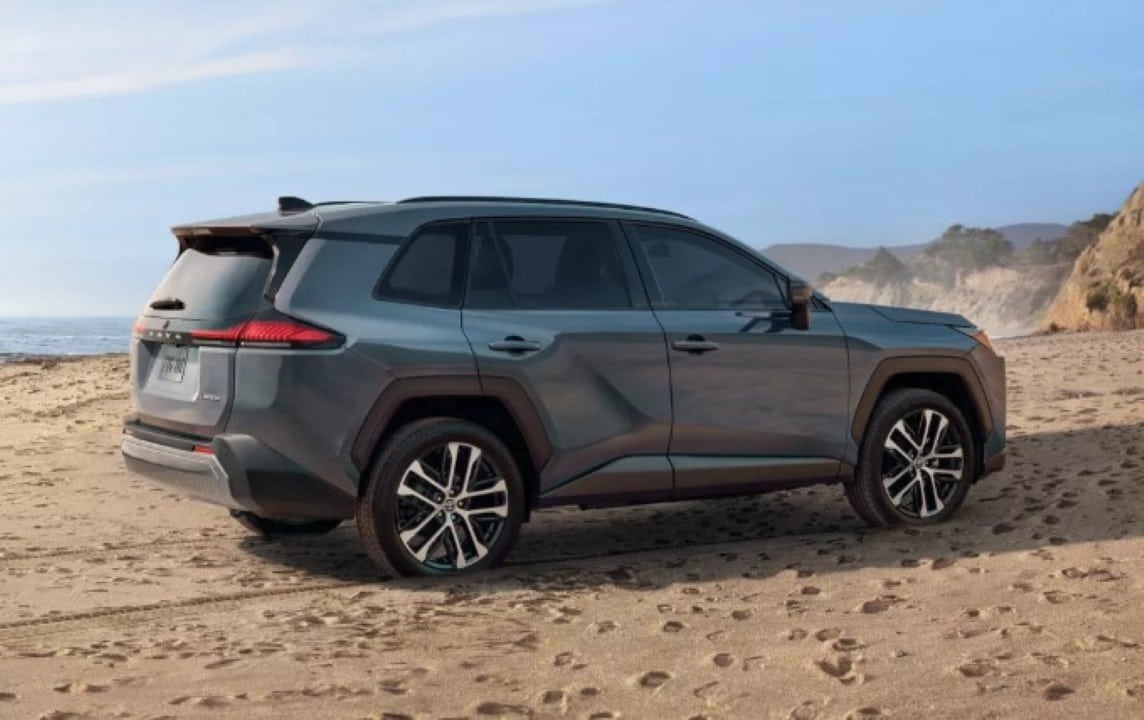
Industry experts point out that the complete normalization of order and delivery flows is only projected for the end of 2026. Até there, the company must operate with strict allocation schedules, designed to prevent waiting times from extending indefinitely. Esta cautious approach seeks to mitigate buyer frustration and protect the brand’s image, which could be eroded by unrealistic deadline promises in an environment of industrial uncertainty.
The interdependence of modern vehicle systems means that the absence of a single microchip or sensor can bring the entire assembly line to a halt. In the case of modern vehicles, which rely on thousands of semiconductors and sensors for everything from engine management to entertainment systems, supply chain management has become the central pillar of the operation. The lack of a simple component prevents the completion of the vehicle, generating stocks of incomplete cars that cannot be shipped to dealerships.
Supply chain impacts and logistical challenges
The decision to suspend orders highlights the persistent fragility in global supply chains, which are still suffering from the effects of logistical bottlenecks and geopolitical tensions. Manufacturing a hybrid SUV requires a significantly greater amount of electronic components compared to traditional combustion vehicles. The integration of electric motors, high-voltage batteries and power control units requires a constant and synchronized flow of materials from different parts of the world.
When one of the links in this chain breaks, the impact is felt immediately at the end of the chain. The Japanese automaker, known for its philosophy of efficiency and transparency with its customer base, chose to interrupt sales as a way to “stomp” the entry of new orders that could not be fulfilled in a timely manner. Isso avoids the accumulation of pent-up demand that would put even more pressure on factories and suppliers at primary and secondary levels.
The brand’s management understood that continuing to accept orders without a clear guarantee of production would be unsustainable. The shortage of semiconductors, essential for security, entertainment and energy management systems, remains a critical obstacle. Além In addition, the lack of basic materials such as steel and rubber, although less publicized, also contributes to delays, creating a domino effect that restricts the automaker’s ability to accelerate production even when operating at maximum shifts.
To develop new suppliers and validate alternative components requires engineering time that cannot be compressed. Validating a new chip or sensor takes months of rigorous testing under various weather and usage conditions to ensure durability and security are not compromised. Portanto, the solution to the lack of parts is not immediate, requiring patience from both the industry and consumers waiting for their vehicles.
TNGA architecture and the complexity of shared engineering
The commercial success of the model in question is intrinsically linked to the platform on which it is built. The global architecture, known as TNGA (Toyota New Global Architecture), specifically the GA-K variant, serves as the backbone for this SUV and several other models from the brand. Esta platform is celebrated for offering a lower center of gravity, greater torsional rigidity and superior handling, raising the standard of safety and comfort.
However, sharing components between different models, which is the great advantage of the TNGA platform for cost reduction and standardization, becomes a challenge when there is a shortage of parts. If a component common to the entire GA-K platform is missing, multiple car models are affected simultaneously. The efficiency of standardization, in this context of supply crisis, ends up exposing a systemic vulnerability where the failure to supply a part affects a massive volume of production.
The engineering behind this architecture aims to optimize resources and standardize high-quality parts. Contudo, in times of scarcity, this interdependence creates internal competition for available resources. The automaker needs to make strategic decisions about which model to prioritize on the assembly line, often favoring those with a higher profit margin or greater strategic importance for specific markets, leaving others on hold.
Plug-in hybrid vehicles (PHEV) and conventional hybrids add extra layers of complexity. Eles combine the thermal efficiency of internal combustion engines with the instantaneous power of electric motors, requiring sophisticated thermal and electronic management. The need to seamlessly switch between power sources demands high-speed and reliable processors, precisely the items that are missing in the global technology market.
Non-negotiable commitment to safety and quality
One of the factors preventing the acceleration of production at any cost is the unwavering commitment to safety. The driving assistance package, known as Toyota Safety Sense, is a standard item that defines the SUV’s value proposition. Este system uses high-resolution cameras and millimeter-wave radar to monitor the environment around the vehicle, detecting pedestrians, cyclists and other cars.
The calibration of these sensors is essential for the operation of features such as autonomous emergency braking and adaptive cruise control. Não it is possible to replace these components with inferior or generic versions without compromising the integrity of the system. The Japanese automaker understands that delivering a vehicle without these features, or with simplified systems, is not a viable option, as it would put the reputation for reliability built over decades at risk.
Component shortages directly affect the availability of these advanced security modules. Para the consumer who chooses this size and category of vehicle, the presence of these assistants is a basic requirement, not an optional luxury. The decision to stop sales reflects the understanding that delivering an incomplete product would do greater damage to customer confidence than temporarily suspending orders.
Vehicles that are already on the waiting list will receive all the promised technological items. The company emphasizes that it will not make concessions in quality or safety to reduce waiting times. Sistemas pre-collision warning, lane departure warning and steering assistance continue to be shipped and extensively tested, ensuring the SUV maintains its top rating in global safety tests.
Perspectives for the recovery and future of the market
The resumption of orders, expected to occur as the situation normalizes towards the end of 2026, signals that the automaker is working with conservative safety margins. Durante this period, the company must focus on stabilizing its relationships with the supply chain and seeking alternatives for the most critical components. The autonomous and electrified vehicle industry is boosting the production of chips and batteries, and the Japanese giant is seeking to secure its share of this disputed supply.
This strategic pause could, paradoxically, benefit other models of the brand that do not suffer from the same parts restrictions, or even open up space for competitors that have available stocks. However, brand loyalty and the resale value of the manufacturer’s vehicles tend to keep consumers willing to wait, preferring to wait for the desired model rather than switching to a ready-delivery alternative that does not meet all their expectations.
Transparency about deadlines and reasons for suspension is a crucial tool for maintaining customer engagement during the waiting period. By clearly communicating that the interruption aims to ensure the delivery of a perfect product, the company tries to transform negative news into a demonstration of respect for the consumer. The market is closely watching how this strategy will unfold, serving as a case study for crisis management in times of global scarcity.
If the recovery in sales occurs sooner than expected, it will be a sign that the logistical adjustments have taken effect faster than expected. For now, the priority remains clearing the order backlog and ensuring that each vehicle delivered strictly complies with the technical and safety specifications that have made the model a global sales success.




