
Lunar calendar for March 2026 shows moon phases and exact times in Brasília

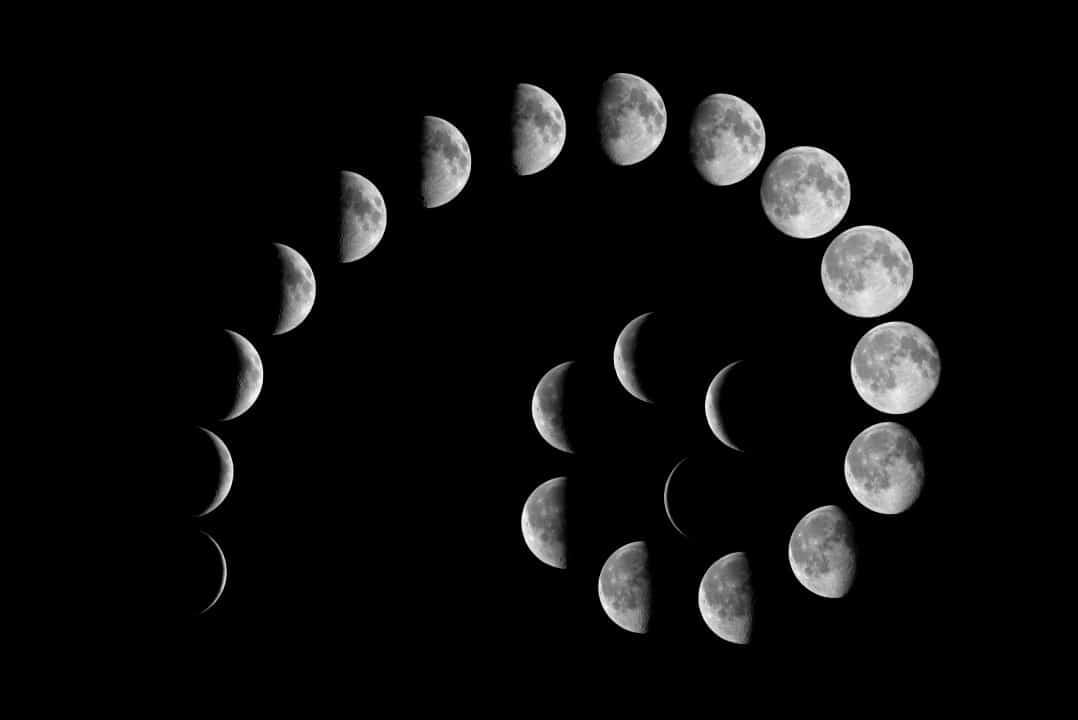
The month of March 2026 features a complete lunar cycle with four main phases that occur on specific dates and times in Brasília time. The sequence begins with the full moon at the beginning of the month and continues until the waxing moon at the end. Essas changes follow the usual pattern of the synodic cycle that lasts approximately 29.5 days. Observing the phases makes it possible to monitor variations in the natural satellite’s lighting.
The cycle begins after the February waxing moon ends. The full moon marks the moment of greatest visible illumination of the lunar surface. The tides are more influenced during this phase and during the new moon due to the gravitational alignment between Sol Terra and Lua.

Main phases of the month
The full moon occurs on March 3rd at 8:39 am. Nessa stage the visible side of the moon receives full sunlight. The phenomenon results in clearer nights and spring tides that raise coastal water levels.
The transition to the waning phase happens next. The illuminated portion gradually decreases as the moon moves away from the alignment opposite Sol.
Moving to waning quarters
The waning quarter appears on March 11th at 6:41 am. The moon appears with half of the disk illuminated on the left to observers in the southern hemisphere. Essa configuration reduces the combined gravitational influence and causes more moderate neap tides.
The phase allows morning observation of the satellite in the sky. Astrônomos amateurs can identify lunar craters and seas with simple binoculars.
Start of the cycle with new moon
The new moon marks March 18th at 10:26 pm. The satellite is positioned between Terra and Sol, becoming invisible from the planet. The night sky becomes darker, favoring the visualization of stars and constellations.
During this phase the tides also show a significant rise. The alignment causes added gravitational forces similar to a full moon.
Advance to crescent moon
The crescent moon arrives on March 25th at 4:19 pm. The illuminated portion grows in the right part of the lunar disk. Visibility occurs in the afternoon and early evening, facilitating observations at sunset.
This stage represents the growth of lunar illumination. The cycle approaches its next peak at April’s full moon.
How to observe the phases
Observing the phases of the moon does not require sophisticated equipment. On clear nights, the full moon illuminates landscapes and allows for safe night walks. Durante the new moon the dark sky reveals star clusters and milky ways visible in areas away from light pollution.
The variations influence activities such as fishing, agriculture and night photography. Muitos calendars incorporate these dates for planning outdoor events.
Gravitational influence on tides
Spring tides occur at full moon and new moon. The combined attraction of Sol and Lua raises water levels on beaches and estuaries. Neap tides appear in the waning and waxing quarters with reduced amplitude.
These effects vary depending on geographic location and coastal topography. Portos and coastal regions monitor phases for nautical operations.
The March 2026 lunar cycle follows predictable astronomical patterns. The dates and times confirm the regularity of the moon’s orbital movement around Terra.




