
Mike Fincke assumes patient identity in unprecedented evacuation from international space station

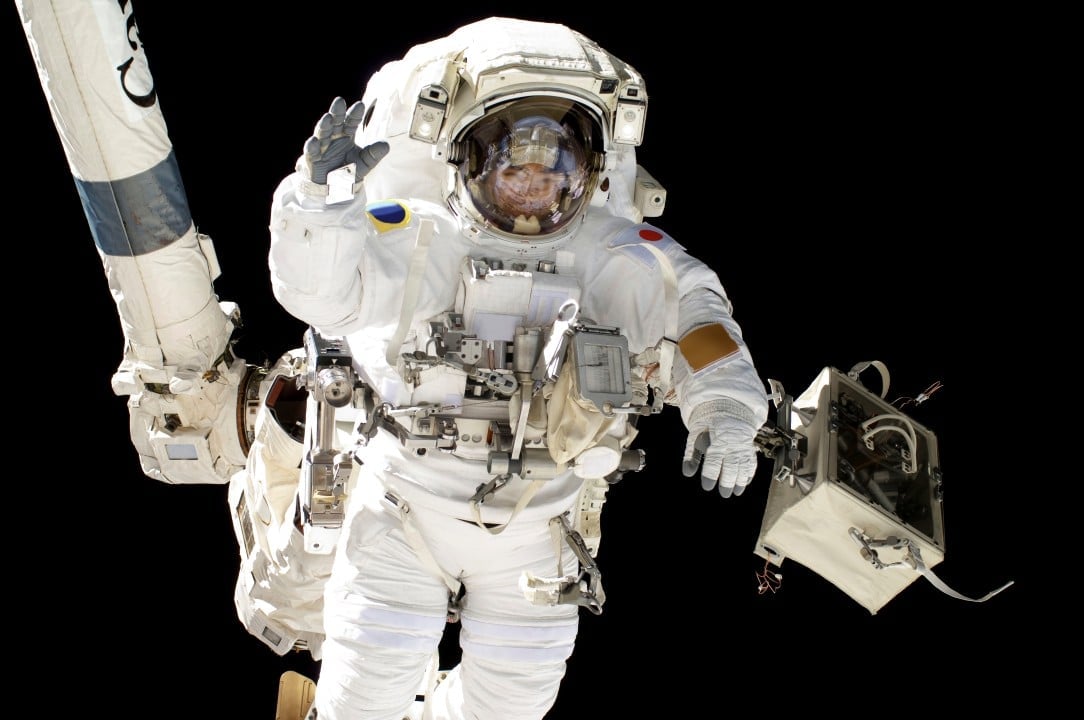
Veteran astronaut Mike Fincke publicly confirmed that he was the crew member responsible for activating the emergency medical protocols that resulted in the early termination of the Crew-11 mission. The episode, which occurred in January of this year, marked a singular moment in the history of Estação Espacial Internacional’s operations, configuring the first dedicated medical evacuation since the beginning of the orbital laboratory’s activities. The crew returned to Earth on January 15th, bringing forward the original schedule by about a month after the health problem was detected on the 7th of the same month.
At 58 years old and with a vast CV in space exploration, Fincke highlighted the efficiency and speed of the coordinated response between the team in orbit and mission control. The medical event occurred precisely during preparations for an extravehicular activity, in which he would work alongside astronaut Zena Cardman. The situation required immediate intervention from colleagues, who strictly followed the guidelines given by the space agency’s doctors on the ground to stabilize the condition.

The decision to bring the team back was not taken lightly, involving a complex analysis of the diagnostic capabilities available in space versus the need for advanced examinations on the ground. Embora initial stabilization was successful with the support of flight surgeons, Nasa opted for the joint return of the crew to guarantee access to imaging technologies that do not exist on the station. Essa measure aimed to preserve the astronaut’s physical integrity and ensure complete treatment.
Behind the scenes of the medical response in orbit
The reaction of the Expedição 74 crew was immediate and decisive as soon as Fincke’s symptoms were noticed. Astronautas as Kimiya Yui, Oleg Platonov and Zena Cardman played crucial roles in primary care, utilizing the limited resources available on board. The use of equipment such as the station’s ultrasound device was essential to provide preliminary data to the experts who monitored the situation from Terra.
Real-time monitoring allowed doctors on the ground to accurately assess the severity of the scenario. The anticipation of return was based on the absolute priority of the crew’s safety and the need for diagnoses that would eliminate any doubts about the veteran’s health condition. Fincke made a point of clarifying that, although the episode required specific terrestrial resources, it was not an emergency with an imminent risk to life, but rather a situation that demanded extreme caution.
During the initial period after the incident, the US space agency maintained strict confidentiality regarding the identity of the affected crew member, respecting medical privacy laws and the institution’s standard protocols. Official confirmation only occurred after Fincke himself authorized the disclosure of his participation in the case, bringing transparency to the event that changed the logistics of the space mission.
Return operation and recovery protocols
The return logistics involved the undocking of the Crew Dragon Endeavour capsule from the ISS on January 14th. The landing took place successfully at Oceano Pacífico, in the vicinity of San Diego, the following day, following the local time zone of Califórnia. Equipes recovery specialists were positioned to assist the four astronauts immediately after the capsule’s impact into the water, ensuring a quick and safe extraction.
After the rescue, Fincke and his colleagues were transported to a hospital on San Diego for the first post-flight medical evaluations. The following day, the group was transferred to Houston, in Texas, where Centro Espacial Johnson is located. Foi in this facility that the astronaut began the formal reconditioning process, a critical step for those who spend long periods in a microgravity environment.
The tests carried out on land, using cutting-edge technology, brought results that reassured the medical team and the astronaut himself. Fincke reported that the diagnoses were positive and that he is on a solid path to full recovery. The current protocol involves a series of activities designed to readapt the body to Earth’s gravity, closely monitored by experts at Nasa.
Impact on mission and acknowledgments
In his statements, Fincke expressed deep gratitude to the members of Expedição 74, citing by name the support received from Chris Williams, Sergey Kud-Sverchkov and The recognition extended to SpaceX support teams and Scripps Memorial Hospital La Jolla professionals, who worked at the initial reception after landing.
The Crew-11 mission, which began in August 2025, had an extensive schedule of scientific experiments and station maintenance that was halted after five and a half months of operations. The medical incident forced the cancellation of important activities, including the spacewalk that was scheduled for January 8, significantly changing the agency’s planning for the period.
With the anticipated return, Estação Espacial Internacional temporarily operated with a reduced crew. Apenas three astronauts remained on board to ensure the maintenance of vital systems and the continuity of essential research until the arrival of new members. Nasa needed to make quick adjustments to the overall mission schedule to mitigate the impact of the full team’s absence.
Reflections on human vulnerability in space
Currently focused on his rehabilitation at Centro Espacial Johnson, Mike Fincke follows a strict physical exercise routine aimed at muscle and bone recovery. The process is standard for astronauts returning from long-term missions, but takes on specific contours due to the medical event. Segundo him, the recovery has progressed very satisfactorily.
The incident served as a reminder of the intrinsically human nature of space missions. The veteran reinforced that, despite the privilege of exploring the cosmos, the human body remains vulnerable to extreme conditions and unforeseen health events. The experience of Crew-11 highlighted the vital importance of medical preparedness and rapid response capabilities in orbit.
For Nasa, the case offers valuable data for improving health protocols on future long-duration missions, including to more distant destinations like Marte. Fincke continues to be a valuable asset to the space program, contributing its expertise even during its recovery phase on the ground.



