
Risk of battery fire leads BYD to recall 87,000 hybrid cars in China


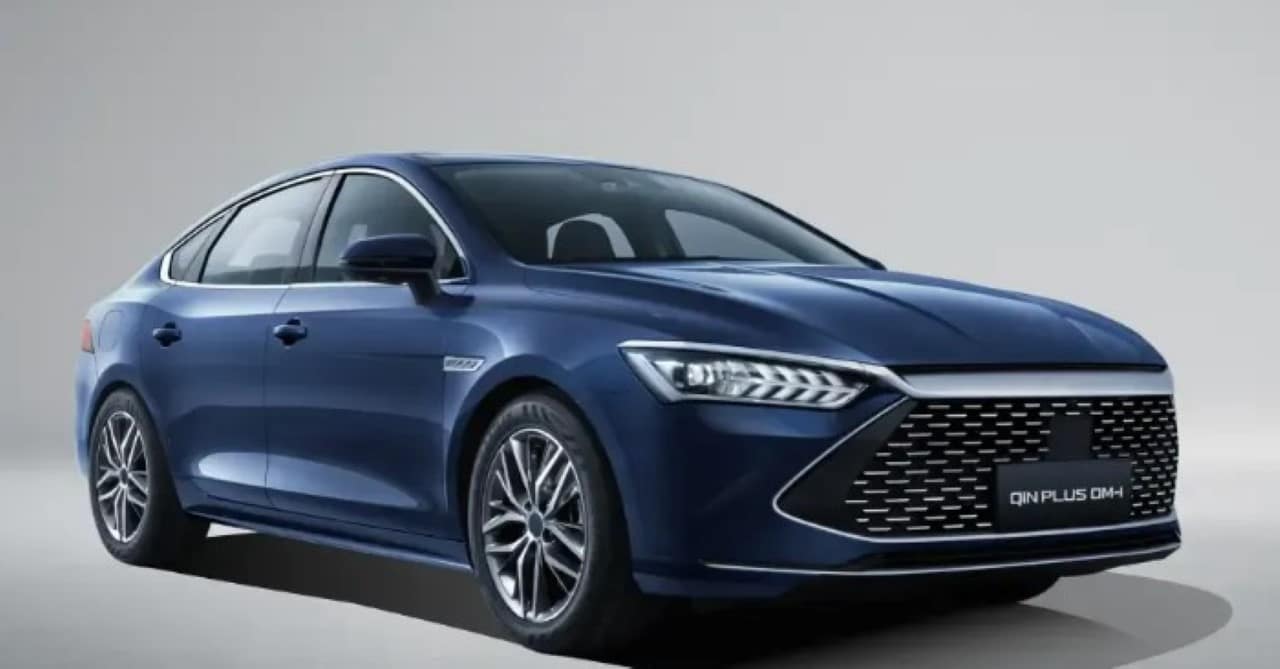
Chinese automotive giant BYD has begun a broad vehicle recall program in its domestic market, aiming to correct a technical flaw that could compromise passenger safety. The measure specifically affects the Qin Plus DM-i hybrid model, one of the brand’s flagship sales at Ásia. The procedure was made official after investigations highlighted inconsistencies in the manufacturing process of energy control components, requiring rapid intervention to avoid major incidents.
The total volume of units involved reaches 87,891 vehicles, covering a production window that extends from January 2021 to September 2023. Administração Estatal of Preventative action highlights the complexity of modern electronic systems in electrified vehicles and the need for constant monitoring by car manufacturers.
Technical failure in the management system
The core of the problem lies in the Sistema of Gerenciamento of Bateria (BMS), a critical component responsible for monitoring the health, temperature, and voltage of the vehicle’s power cells. Investigações techniques revealed that, due to a deviation in the controller manufacturing process, the software may incorrectly interpret battery voltage data. Essa internal communication failure in the car system creates a dangerous vulnerability during everyday use of the car.
When the BMS system receives inaccurate readings, it can fail to properly regulate charging, allowing the battery to exceed its safe operating limits. In extreme scenarios, this overload can lead to what engineers call thermal runaway, a chain reaction that drastically raises cell temperatures, resulting in an imminent risk of fire. Correcting this algorithm is therefore essential to restore the functional integrity of the vehicle.
The automaker recognized the seriousness of the situation and acted to mitigate the risks before widespread incidents could occur. Proactively identifying faults in electronic components has become standard practice in the new energy vehicle (NEV) industry, where the safety of high-voltage batteries is a top priority for regulators and manufacturers alike.
Remote update and repair procedures
To resolve the defect, BYD opted for a technological approach that minimizes inconvenience for owners. The fix will be performed, in most cases, via an Over-the-Air (OTA) software update. Essa technology allows the vehicle to receive new safety parameters via the internet, without the need for the driver to physically travel to a dealership, demonstrating the versatility of modern connected cars.
The new software code was developed to recalibrate the BMS monitoring algorithms. With the update installed, the system will accurately detect the voltage and temperature of the cells, preventing any possibility of overload. The digital solution is definitive and aims to completely eliminate the fire risk associated with this specific manufacturing failure.
In cases where remote updating is not possible due to connectivity limitations or specific vehicle configurations, the automaker has instructed its dealer network to perform the procedure manually. Affected owners will be contacted through official channels, such as registered mail, brand apps and digital platforms, to schedule the service free of charge, ensuring that the entire circulating fleet complies with safety standards.
Market impact and industry response
The recall of the Qin Plus DM-i comes at a time when BYD is consolidating its global leadership in the electrified vehicle sector. The model in question represents a significant portion of the company’s sales, being popular for its energy efficiency and plug-in hybrid technology. Transparency in conducting this process is seen by market analysts as a strategy to maintain consumer trust, even in the face of technical challenges inherent to the mass production of new technologies.
Despite the significant number of vehicles involved, the quick response and software solution demonstrate the maturity of the Chinese automotive industry’s supply and service chain. The ability to resolve critical issues without the need to physically replace heavy parts, such as the battery pack itself, significantly reduces the environmental and logistical impact of the recall operation.
Road safety experts reinforce that actions like this are fundamental for the evolution of electric and hybrid cars. By identifying and fixing vulnerabilities in energy management, the industry improves security protocols for future generations of vehicles, ensuring that the transition to electric mobility occurs with the highest levels of reliability for end users.



