
SpaceX reaches milestone of six hundred satellites launched in the year after new mission at Cape Canaveral

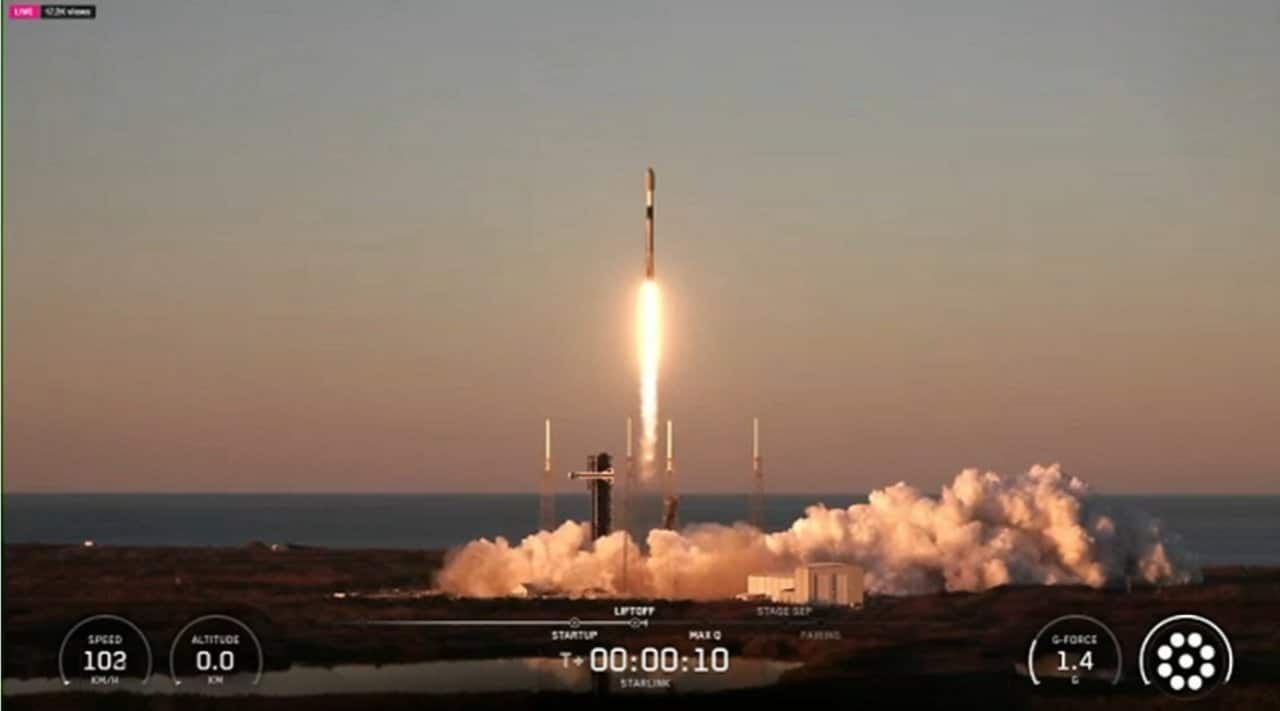
The base of Força Espacial at Flórida served as the stage for another significant advance in global telecommunications infrastructure in the early hours of this Wednesday. The flight of the Falcon 9 rocket, operationally identified as mission Starlink 10-40, was successful in transporting new equipment to the low orbit of Terra, consolidating the frenetic pace of operations of the aerospace company led by Elon Musk. Liftoff occurred at precisely 5:52:20 local time, lighting up the sky just before dawn as the vehicle continued its northeast trajectory over Atlântico.
Expansion of the constellation and expressive numbers
The successful launch added 29 units to the mega internet constellation, a strategic step towards network densification. With this specific operation, the company celebrated the impressive milestone of 600 Starlink satellites placed in orbit in the year 2026 alone, demonstrating an operational cadence unprecedented in the modern aerospace industry.
Infrastructure continues to grow to meet global demand for low-latency connectivity. Cada novo lote inserido no espaço reforça a capacidade do sistema de fornecer internet de banda larga para regiões remotas, áreas rurais e locais onde as redes terrestres tradicionais são inviáveis ou inexistentes.
Reuse Technology and Propellant History
One of the technical highlights of this mission was the performance of the rocket’s first stage, the B1080 booster, which made its twenty-fifth trip to space. The longevity of this component highlights the maturity of the company’s reuse program, which aims to drastically reduce orbit access costs and increase flight frequency.
This specific thruster has a remarkable track record of services provided to the space sector, having previously participated in crucial missions:
– Transporte of two private astronaut missions to Axiom Space;
– Lançamento from the NG-21 cargo mission to Northrop Grumman;
– Execução of the CRS-30 resupply mission for NASA.
Details of the operation and recovery in the ocean
Weather conditions contributed to the success of the event, with the 45th Esquadrão Meteorológico predicting a 90% favorable chance for the launch. The main concern monitored by teams on the ground was the presence of cumulus clouds, which could create electrical or visibility hazards, but the scenario remained stable during the window of opportunity, allowing the countdown to continue without interruption.
The recovery of the equipment occurred as planned approximately eight and a half minutes after takeoff. The first stage of Falcon 9 gently landed on the autonomous ferry “A Shortfall of Gravitas”, strategically positioned at Oceano Atlântico, on the shore of Carolina of Este feat marked the company’s 581st successful booster landing and the 145th time this specific vessel received an orbital rocket, reinforcing the reliability of the return system.



