
Square Enix promises frame stability at the end of the Final Fantasy VII trilogy on smaller consoles


The team responsible for developing the final chapter of the Cloud Strife saga established a rigorous technical goal to guarantee the title’s accessibility. The main objective is to ensure that the game maintains a constant performance of thirty frames per second, even on platforms with more modest hardware specifications. The Essa guideline specifically covers the hybrid console successor to the Nintendo and the current-gen entry model of the Microsoft, aiming to democratize the experience without sacrificing narrative fluidity.
Naoki Hamaguchi, project director, clarified that optimization for these devices is not treated as a secondary step, but rather as a fundamental pillar of planning. Using a custom version of Unreal Engine 4 allows developers to scale visual complexity efficiently. Isso ensures that regardless of memory or graphics processing constraints, artistic integrity and gameplay remain consistent across all commercially available versions.
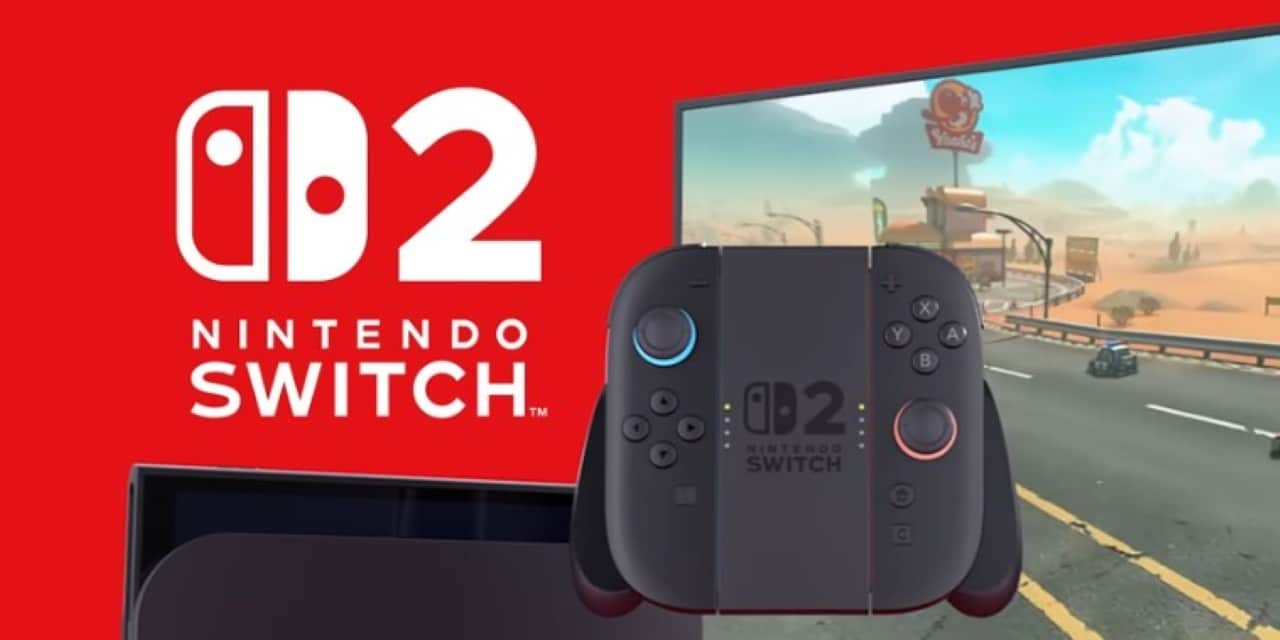
Hardware engineering and adaptation challenges
Working with the limitations of the Xbox Series S and the particularities of the portable mode of the Switch 2 requires extremely precise management of system resources. Square Enix engineers perform extensive testing to monitor device battery consumption and temperature, ensuring that stability is not compromised during long gaming sessions. The priority is to avoid performance drops at critical moments, such as boss battles or scenes with many elements on the screen, keeping the player’s immersion intact.
The technical success achieved with the release of Intergrade on these platforms serves as a solid foundation for the studio’s current ambitions. The positive critical and public reception regarding previous ports motivates the team to further refine the development tools. Lições learned about memory allocation and dynamic rendering are being applied directly to the production of the third part, seeking to exceed initial expectations of visual fidelity.
The development philosophy adopts an approach that prioritizes the creation of high-quality assets for high-end consoles, followed by a meticulous process of adaptation for less powerful hardware. Instead of removing essential content, the team adjusts parameters such as native resolution, shadow quality, and post-processing effects to achieve the goal of stable frames. Essa strategy ensures that the game mechanics and story are identical on all platforms, preventing users of more accessible systems from having an inferior or incomplete experience compared to owners of PlayStation 5 or robust PCs.
Prospects for launch and future innovations
The end of the trilogy promises to reintroduce iconic elements of the franchise, such as the Highwind airship, which will play a central role in exploring the world. Recreating these classic mechanics with modern technology represents an additional challenge in maintaining performance, requiring creative solutions for loading vast scenarios without interruption. The focus on technical stability is crucial for the grandeur of these sequences to be conveyed correctly.
Development is in advanced stages of polishing, with playable prototypes that already demonstrate compliance with the goals set by management. The narrative will seek to connect the dots left open in previous titles, offering a satisfying conclusion for long-time fans and new players. With the year 2026 marking an important point for the franchise, the expectation is that the launch will align technical innovation with respect to the legacy of the original 1997 game.



