
Total lunar eclipse turns Japanese sky red during traditional doll festival

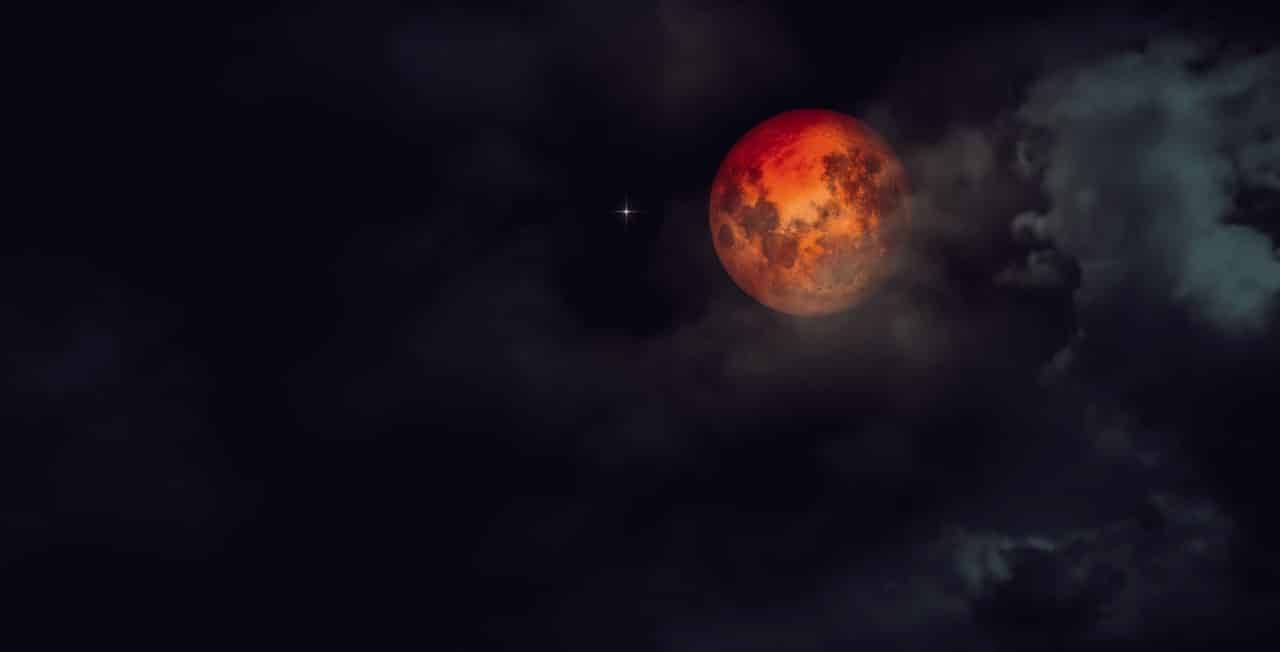
The night of March 3, 2026 reserved a memorable astronomical spectacle for skywatchers in the Japanese archipelago, coinciding with one of the country’s most symbolic cultural dates. The phenomenon, popularly known as Lua of Sangue, attracted the attention of amateur astronomers, photographers and entire families who sought to record the moment in which the natural satellite acquired an intense reddish color. The visibility of the event, however, varied drastically by region, depending on local weather conditions.
While large urban centers like Tóquio faced atmospheric instability and overcast skies that made direct observation difficult, other areas of the country were privileged with ideal conditions. Moradores from specific regions were able to follow all phases of the eclipse, from penumbra to totality, creating a striking visual contrast in the night sky. The event generated great repercussion on social networks, where users shared images captured from different parts of Japanese territory.
Regional visibility and atmospheric conditions
The island geography of Japão played a determining role in the observation experience of this total eclipse. A low pressure front affected the coast of Pacífico, bringing clouds and rain to densely populated areas, frustrating the expectations of millions of inhabitants in the capital’s metropolitan region. On the other hand, the displacement of air masses favored the north and west of the country.
Meteorological reports and visual records confirmed that observation was unimpeded and clear in the following locations:
– Hokkaido and the entire northern region of the country;
– Oeste of the island of Honshu, including rural areas;
– Ilha of Shikoku and region of Kyushu;
– Arquipélago of Okinawa and remote southern islands.
For enthusiasts who were able to visualize the phenomenon, the copper color of Lua was the highlight. Esse optical effect, resulting from the scattering of Rayleigh, occurs when sunlight passes through the Earth’s atmosphere and is filtered, projecting only red and orange wavelengths onto the lunar surface. The color intensity observed in 2026 indicated a relatively clean atmosphere in Earth’s stratosphere, allowing for a vivid visual spectacle.
Synchronization with Hina Matsuri
The 2026 eclipse gained an extra layer of cultural significance by occurring exactly during Hina Matsuri, or Festival of Bonecas, celebrated annually on March 3. The date is dedicated to praying for the healthy growth and happiness of girls, characterized by the assembly of platforms covered with red fabric where ornamental dolls dressed in imperial court costumes are arranged.
The coincidence between the reddish tone of Lua and the predominant red in the festival’s decorations was widely commented. Para Many Japanese people, the overlap of the astronomical event with the traditional celebration created a unique atmosphere, combining reverence for the past and traditions with the fascination for science and the cosmos. The symbolism of the date reinforced public interest, leading more people to look to the sky in search of planetary alignment.
Interval until the next phenomenon
Astronomers highlight the rarity of the observed opportunity, as total lunar eclipses do not occur annually in specific locations. The perfect alignment between Sol, Terra and Lua requires precise orbital conditions, making each viewing a singular event for the region where it is visible.
According to astronomical calculations for the Ásia Oriental region, the Japão will now enter a hiatus period for this specific type of phenomenon. The next opportunity for the Japanese to observe a total lunar eclipse is only scheduled for January 1, 2029. Este interval of almost three years further valued the records made in March 2026, consolidating the night as a milestone in local astronomy this decade.




