
Toyota stops sales of hybrid SUV due to lack of parts and plans complete normalization of production


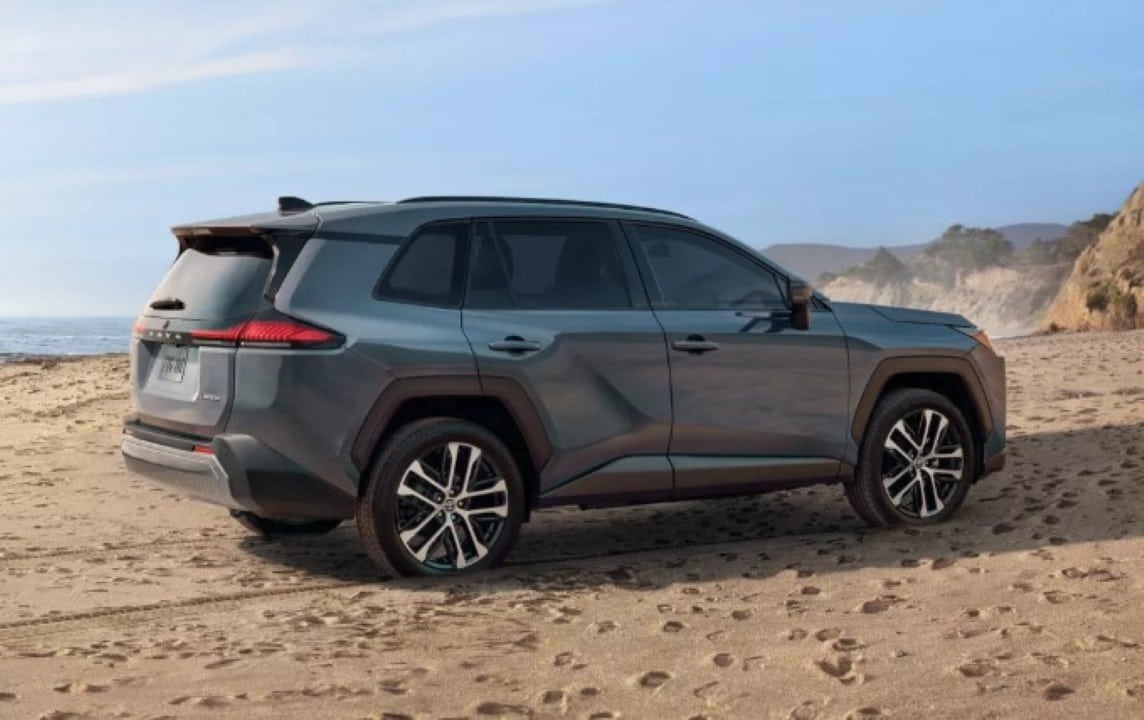
The Japanese automotive giant has officially announced the temporary suspension of new orders for one of its most popular models on the global market. The decision directly affects the production line for the Harrier SUV, a vehicle that shares essential components with the brand’s other successes, due to ongoing shortages of vital electronic components. The automaker chose to freeze the entry of new orders to be able to process the accumulated volume and guarantee the delivery of units already requested by consumers, avoiding waiting lines that could extend indefinitely without rigorous management of the manufacturing flow.
The current scenario reflects persistent challenges in the global supply chain, which continue to impact the auto industry even years after the chip crisis began. The lack of specific semiconductors, essential for the operation of complex hybrid and infotainment systems, forced the company to prioritize the assembly of vehicles that are already in the production queue. The strategy aims to maintain transparency with the customer and avoid promises of deadlines that could not be met due to the instability in the supply of high-tech parts.
Resumption schedule and order management
According to the automaker’s internal projections, the complete normalization of the sales flow and the unrestricted reopening for new orders should only occur at the end of 2026. Até there, the absolute priority will be the fulfillment of contracts already signed, ensuring that customers waiting for their vehicles receive products with all original specifications, without cuts in functionality.
Waiting line management has become a critical point for the brand’s logistical operation. The ordering system was locked down to prevent delivery times from exceeding acceptable limits, which could harm the company’s reputation and consumer satisfaction. The gradual recovery will directly depend on the stabilization of the supply of electronic components, which are competed for not only by other automakers, but also by consumer electronics industries around the world.
Technical challenges of TNGA architecture
The difficulty in replacing missing components is intrinsically linked to the sophistication of the TNGA platform (Toyota New Global Architecture), specifically the GA-K variation used in the affected model. Esta modern architecture deeply integrates mechanical and electronic systems to reduce the center of gravity and increase the vehicle’s torsional rigidity. However, this integration means that it is not possible to simply exchange a microchip for another of a lower or different specification without compromising the harmonious functioning of the entire set.
In hybrid vehicles, this interdependence is even more critical. Management between the electric motor and combustion engine, energy regeneration and battery control require perfect synchronization between dozens of sensors and processors. The vehicle’s electronic architecture was designed to function as a single organism, where changing a power control module could affect dynamic performance or energy efficiency, making quick palliative solutions on the assembly line unfeasible.
Non-negotiable commitment to safety
One of the central reasons for suspending sales, rather than delivering cars with reduced features, is the company’s policy of not compromising driver assistance systems. The Toyota Safety Sense package, which includes automatic emergency braking, adaptive cruise control and lane-keeping assist, relies on high-resolution cameras and millimeter-wave radars that require the currently missing semiconductors.
Unlike some strategies adopted by competitors, which chose to deliver vehicles without certain technological items to be installed later, the Japanese automaker decided that the integrity of the safety package is fundamental. The brand understands that security is not optional, but a pillar of user experience and trust in the brand. Portanto, the decision was to maintain the quality standard, even if it means sacrificing sales volume in the short term.
The main points supporting this strategic decision include:
– Comprehensive maintenance of autonomous braking and pedestrian detection systems, which save lives and cannot be turned off or simplified.
– The guarantee that adaptive cruise control will work with complete precision in all speed ranges.
– Preservation of the user experience, avoiding the delivery of a panel or multimedia system with “gray” or inactive functionalities.
– Proactive management of customer frustration, avoiding surprise delays after the purchase is made.




