
Chevrolet hatch gains a look inspired by SUVs and a more economical engine to regain leadership
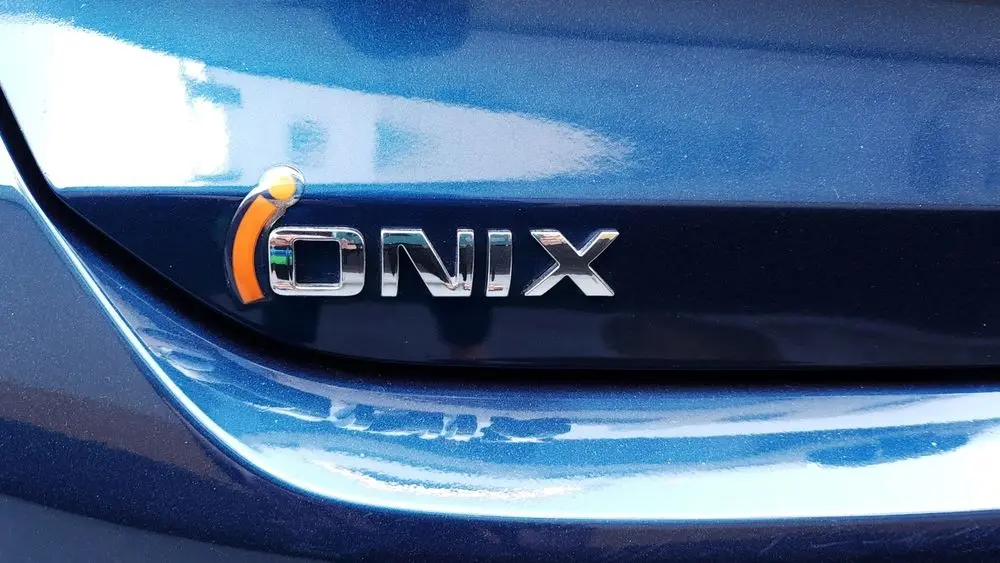
General Motors finalizes preparations for the introduction of the renewed line of its most popular vehicle on the national market, with production concentrated in the Gravataí industrial unit, in Rio Grande of Sul. The mid-life update project seeks to align the compact with the brand’s global design guidelines and meet new energy efficiency requirements. The automaker’s strategy aims to regain the top spot in the registration ranking, a position held by the model for six consecutive years, through a redesign that encompasses aesthetics, technological content and in-depth mechanical adjustments.
The network’s dealerships should receive the first units between March and April, marking the beginning of a new commercial phase for the hatch. The move takes place in a highly competitive scenario, where direct rivals such as the Hyundai HB20 and the Fiat Argo have also presented recent developments in their equipment packages. The North American manufacturer’s bet lies in combining a more robust appearance with the extension of warranty coverage to five years, an important differentiator in regaining consumer trust.

The launch schedule foresees an official event in the first quarter, where the final versions and prices will be detailed. The expectation is that the values will undergo natural readjustments, positioning the entry-level version close to R$95,000 and the top-of-the-line configuration, Premier, at around R$120,000, without considering possible debut promotional campaigns.
Read also: New Chevrolet Spin 2027 focuses on giant space with LTZ version for five passengers
Mechanical adjustments and energy efficiency
One of the main technical changes to the project involves the powertrain, which was recalibrated to meet more stringent environmental standards and the IPI Verde incentive program. The 1.0 turbo engine now has a direct fuel injection system, now delivering 115 hp with both ethanol and gasoline. Essa change represents a slight reduction in maximum power compared to the previous model, which offered up to 121 hp, but prioritizes fuel economy and the reduction of pollutant emissions.
The brand’s engineering worked to optimize torque delivery at low speeds, maintaining the vehicle’s agility in urban traffic. Dados Preliminaries indicate that road consumption with gasoline could reach 17.4 km/l, making the model a reference in efficiency in the segment. The six-speed automatic transmission remains in the catalogue, but with new management software to provide smoother shifts and make better use of the engine’s new torque curve.
The oil-bathed timing belt system, a highlight in previous versions, has received significant material and design updates. The new specification aims to increase the component’s durability to up to 240,000 km, surpassing the useful life of traditional dry belts and equivalent to metal chains, but with a lower noise level. The manufacturer reinforces the need to strictly use the approved lubricant to guarantee the long-term integrity of the system.
Visual renewal and embedded technology
The aesthetic identity of the new model follows the visual language recently adopted in the company’s Estados Unidos and China sports utility vehicles. The front features an enlarged trapezoidal grille that extends to the base of the bumper, giving it a more aggressive and modern appearance. The main headlights have been redesigned, becoming more tapered and adopting full-LED technology in all versions, which improves nighttime visibility and the car’s light signature.
Understand the case: Toyota and Daihatsu prepare to launch new hybrid SUVs with seven seats and exclusive platform
Inside, the technological revolution is led by the introduction of the Virtual Cockpit System (VCS). The traditional instrument panel gives way to an 8-inch digital screen, visually integrated with the 11-inch multimedia center. The system offers advanced connectivity with wireless projection support for smartphones and native connected services, including onboard Wi-Fi and remote commands via app.
The interior finishing also received special attention, with the introduction of new materials and textures. The Premier version uses a combination of gray tones with orange details, seeking to increase the cabin’s perception of quality. Itens of comfort such as face key, push-button start and steering wheel with height and depth adjustment are now standard in a greater number of configurations, democratizing access to technologies previously restricted to more expensive models.
Market and after-sales context
The extension of the factory warranty from three to five years appears as a strategic response to market demands and a way of reaffirming the reliability of the product. Além In addition, the brand maintains an active after-sales campaign to monitor the timing belts of previous models, offering diagnostics and replacements at reduced costs when necessary. Essa stance aims to protect the model’s reputation and ensure the resale value of pre-owned vehicles.
The compact hatchback segment continues to be one of the largest in the country, despite the constant growth of SUVs. The renewal of Onix is seen by analysts as a crucial move to maintain the relevance of Chevrolet in Brasil. With production adjusted and inventories normalizing, the dealership network is preparing for an intense volume of sales in the months following the launch.
More on this story: Automaker presents new Jeep Renegade with mild hybrid system and redesigned cabin in four versions
In parallel with the launch of the hatch, the automaker is preparing to update the Onix Plus sedan and the Tracker SUV, which will share many of the aesthetic and mechanical components presented. Essa industrial synergy allows the manufacturer to optimize costs and offer a competitive equipment package compared to Asian and European competition installed in the country.
More news in News (EN)
See more → Samsung releases new system update with new features for Galaxy Watch 4 users
 Digital retail reduces the value of the Galaxy S25 5G smartphone with bank bonuses and device exchange
 Amazon’s wireless CarPlay adapter has a 50% discount and high approval ratings from drivers
 Zach Cregger’s new Resident Evil ignores games and focuses on an unprecedented story with new characters
 Rumor suggests that Nintendo is preparing a special edition of the Switch 2 with a remake of Ocarina of Time
 Apple accelerates production of the iPhone 17e and develops new Air model with dual camera system
 Epic Games platform releases twelve high-budget games at no permanent cost for PC users
 PlayStation 5 Pro price drop accelerates digital retail sales and eliminates global stocks
 New Galaxy Watch 9 firmware appears on server and confirms progress in software development
 Apple’s commemorative project tests cell phone with 1.1 millimeter edge and curved screen for 2027
 New Apple system update optimizes urgent task management for iPhone users
 Leak details hardware of the new portable PlayStation with superior graphics to the Xbox Series S
More news on Mix Vale
- 1Colby Minifie confirms Ashley Barrett’s powers in The Boys season five
- 2Napoli x Milan in Serie A with confirmed lineups and where to watch live
- 3New battery test puts Galaxy S26 Ultra ahead of iPhone 17 Pro Max in global ranking
- 4Research reveals that parents are unaware of how their children use artificial intelligence
- 5Oppo officially launches the Find X9 Ultra worldwide with Hasselblad lenses and robust battery
- 6Tim Cook reveals new iPhone and iPod prototypes in celebration of Apple’s fiftieth anniversary
- 7New edition of foldable smartphone brings gold finish to Winter Games competitors
- 8Android system receives native Gemini Nano 4 integration for offline processing on smartphones
- 9Samsung updates QuickStar module and expands visual control of the panel in the One UI 8.5 interface
- 10Leak reveals Lords of the Fallen and Sword Art Online in April’s PS Plus Essential catalog