
Conflict spreads with the crash of Iranian drones in Azerbaijan and forces a reaction from European leaders

The tension in Oriente Médio gained new contours this Thursday, March 5, 2026, with the confirmation of the crash of two unmanned aerial vehicles of Iranian origin in the territory of Azerbaijão. The incident recorded in the region of Nakhchivan resulted in injuries to two civilians and signals a dangerous geographic expansion of hostilities that have lasted almost a week. Autoridades locals expressed deep concern about border security as the war scenario intensifies on multiple fronts.
Expansion of hostilities and joint offensive
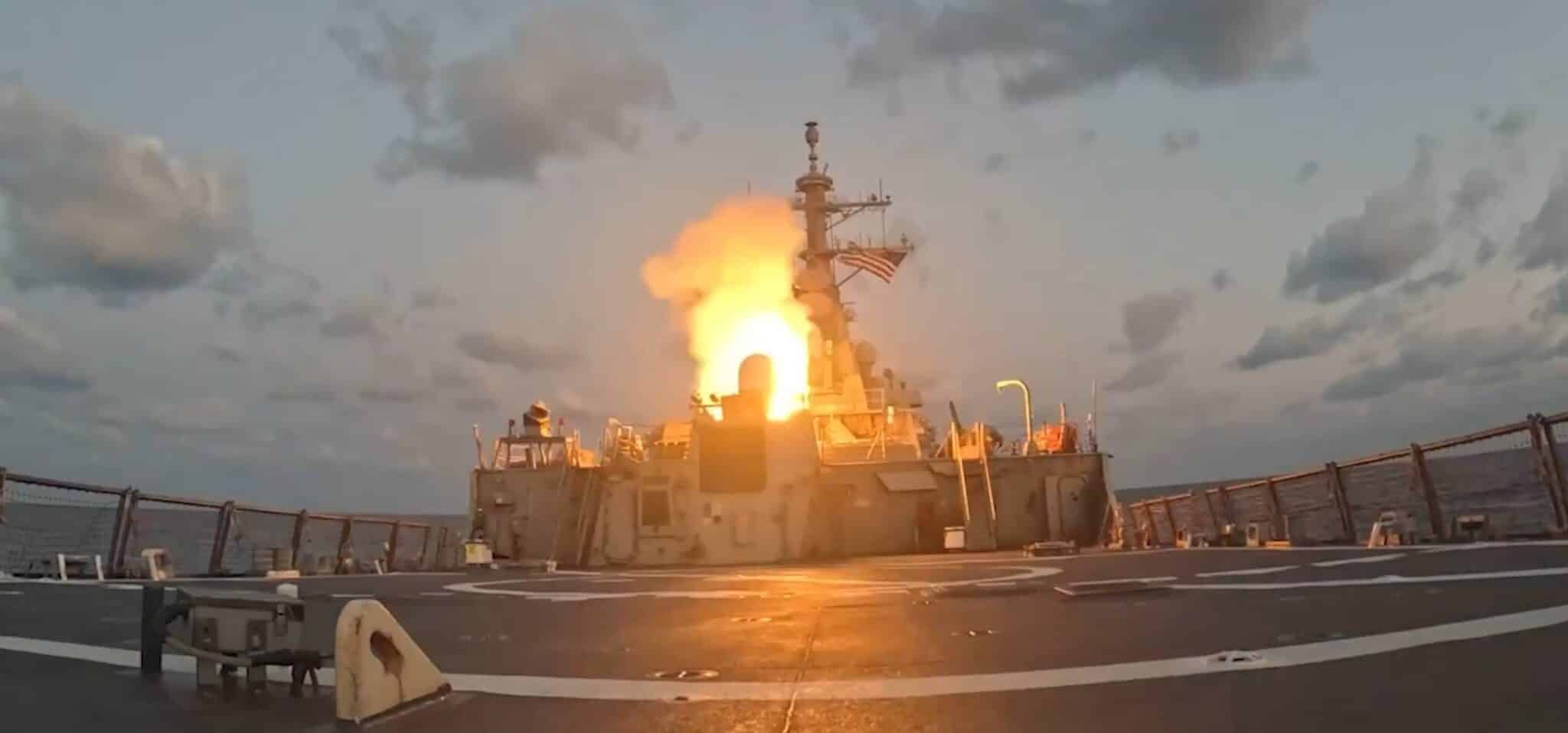
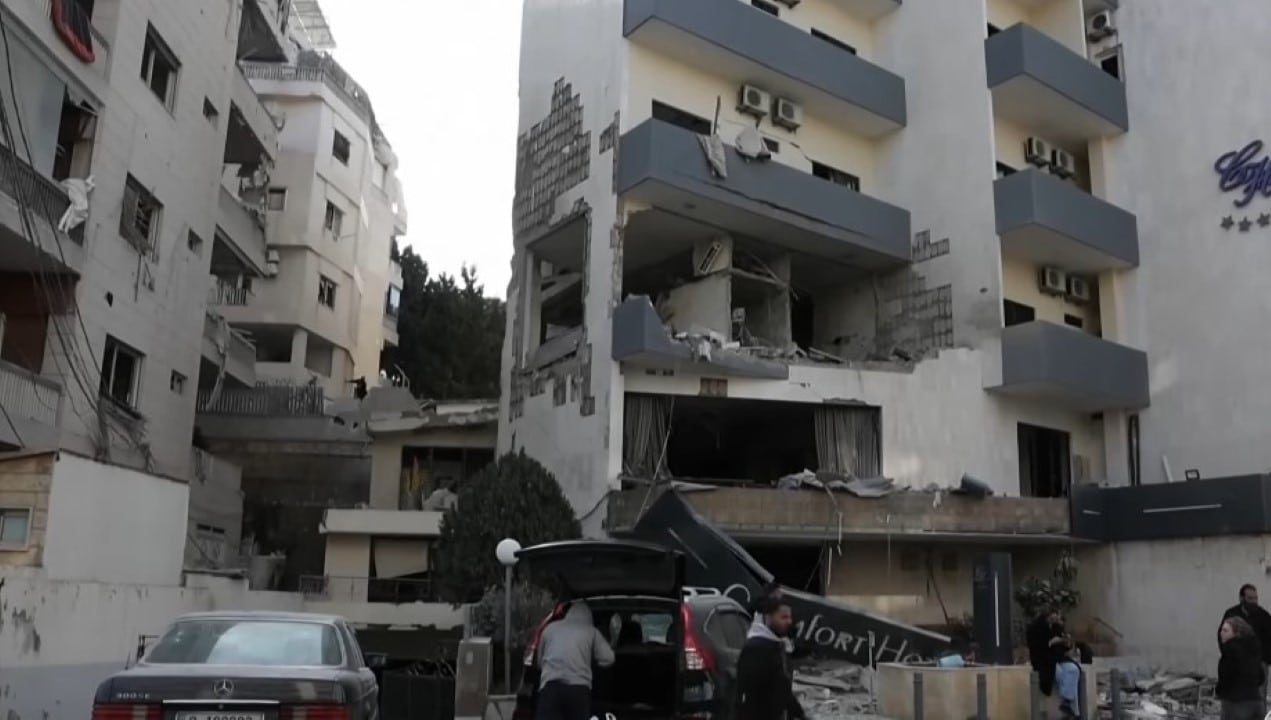
The coordinated military campaign between Estados Unidos and Israel against strategic targets in Irã continues its intense pace following the confirmation of the death of Ayatollah Ali Khamenei last week. Forças North Americans concentrate efforts on locating and neutralizing mobile missile launch platforms, seeking to reduce Teerã’s response capacity. In parallel, the Israeli army issued new evacuation orders for sectors south of Beirute, aiming to put pressure on Hezbollah positions in Líbano and weaken the Iranian regime’s regional allies.
The episode in Nakhchivan represents a turning point in the stability of Cáucaso, an area historically marked by fragile alliances and territorial disputes. The government of Azerbaijão promptly condemned the violation of its airspace, classifying the act as an unacceptable aggression that puts the civilian population at risk.
On the other hand, representatives of the Iranian armed forces rejected responsibility for the attack and attributed responsibility to an alleged false flag operation conducted by Israel. The exchange of accusations raises the risk of direct involvement from other neighboring nations, significantly complicating diplomatic efforts to contain violence in the region.
European mobilization and strategic defense
Faced with the unpredictability of the scenario, European leaders accelerated the implementation of security protocols to protect citizens and assets in the region. Itália announced the deployment of support for air defense systems in Golfo countries, which have been frequent targets of retaliation by Iranian forces.
Organização of Tratado of Atlântico Norte monitors the situation carefully, assessing the risks to global security and the energy market. Mark Rutte, secretary general of the alliance, declared support for North American operations and warned about the potential for Irã to become a direct threat to the European continent.
New combat fronts and naval incidents
The theater of operations extended to Iraque, where Iranian forces carried out bombings against Kurdish group bases, including Partido Komala facilities. Fontes linked to Kurdish leaders indicate the mobilization of armed units that can cross the Iranian border, opening a new dynamic in the land conflict. The complex relationship between Teerã and the Kurdish minority, which seeks greater autonomy, adds a layer of internal instability to the Iranian regime.
At sea, a serious confrontation occurred in the waters of Oceano Índico, close to Sri Lanka. An Marinha submarine of the Estados Unidos torpedoed an Iranian frigate returning from naval exercises, resulting in significant casualties among the crew.
The minister of the Relações Exteriores of the Irã, Abbas Araghchi, classified the attack as an atrocity, while international diplomacy observes with apprehension the naval developments and the reaction of powers such as the
Humanitarian impact and political succession
The human cost of the war continues to rise, with Sociedade of Crescente Vermelho reporting hundreds of deaths on Iranian territory, including civilians and children in schools hit by bombings. Do western side, the Pentágono confirmed the loss of military personnel in combat, while thousands of American citizens have already been repatriated in emergency operations.
Internally, Irã faces a decisive moment with the vacancy of supreme power. Clérigos high-ranking officials discuss succession, with Mojtaba Khamenei emerging as the likely political heir to lead the country through the most serious crisis in recent decades.



