
Geely’s new hybrid sedan surpasses Corolla’s range and hits the market with a popular price

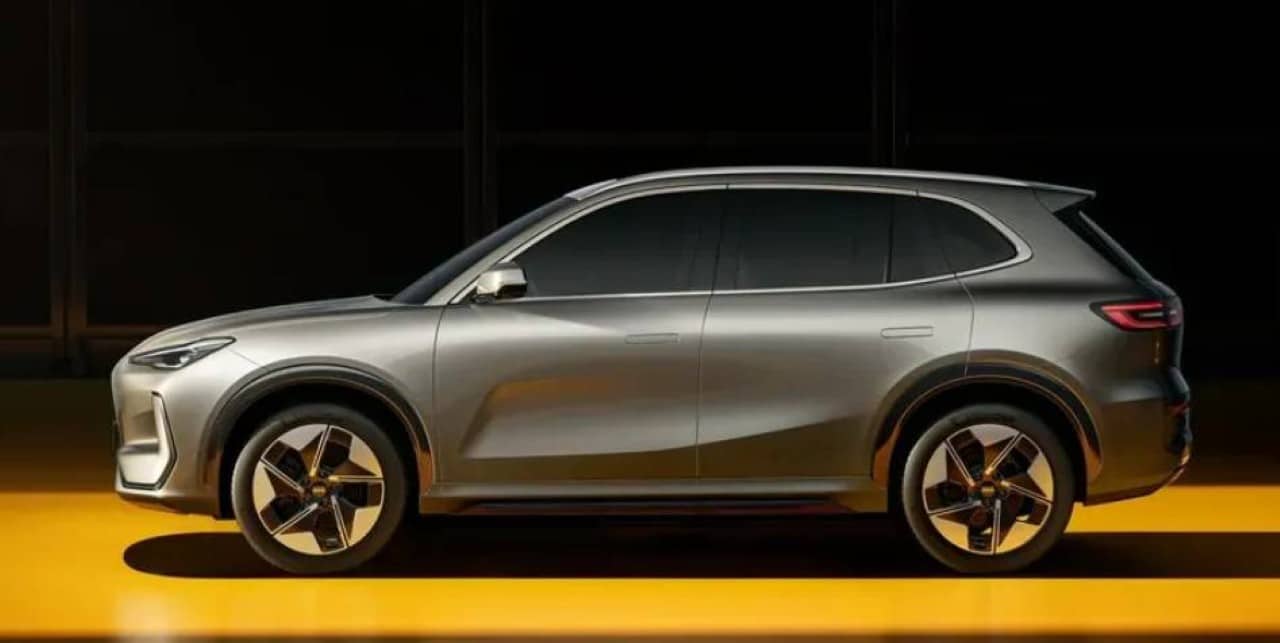
The Brazilian automotive sector is undergoing a significant transformation with the consolidation of the Geely strategy in the country, marked by local production in Sorocaba, São Paulo. The Galaxy A7 EM-i model is positioned aggressively in the market, offering a robust technological package and higher energy efficiency than traditional competitors. With an entry value set at R$90,000, the vehicle costs less than popular subcompacts such as the Fiat Mobi and the Renault Kwid, changing the perception of cost-benefit for national consumers.
The automaker is betting on a combination of tax incentives and nationalization of components to maintain competitive prices. The main focus is on app drivers and families looking for generous interior space combined with substantial fuel savings. Dados of the market point out that pre-sales of the model exceeded expectations, selling out the first batch in just 48 hours, which demonstrates a pent-up demand for affordable electrified options.

Energy efficiency and motorization
The mechanical set of the Galaxy A7 EM-i is one of its main attractions, combining a 1.5 turbo engine with an electric propellant that, together, delivers 235 horsepower in the top-of-the-line version. The e-CVT transmission manages this force, providing a smooth and linear drive, ideal for urban and highway traffic.
Tests carried out by the Inmetro confirmed that the sedan is capable of reaching 38 km/l in a mixed cycle. Essa efficiency far surpasses the hybrid Toyota Corolla, which records averages close to 19.8 km/l, and the BYD King, with 30 km/l. The lithium-ion battery also allows you to travel around 80 km in pure electric mode.
Total autonomy is the project’s greatest technical difference, reaching up to 2,100 km with a single tank and a full battery charge. In practical tests, the vehicle recorded 2,080 km, which theoretically allows long-distance trips, such as the route between São Paulo and Natal, without the need for stops for refueling.
Dimensions and comfort on board
In terms of internal space, the model manufactured in Sorocaba has an advantage over its direct rivals. Measuring 4.63 meters long and with a wheelbase of 2.78 meters, the vehicle offers greater comfort for rear seat occupants compared to the segment leader. The 480-liter trunk also stands out, surpassing the volumetric capacity of the Japanese competitor.
The interior design follows a modern line, with leather finishes and chrome details that elevate the perceived feeling of quality. Onboard technology includes a 12.3-inch digital dashboard and 5G connectivity, as well as wireless integration with Apple CarPlay and Android Auto. The GigaChat virtual assistant complements the experience, allowing voice commands for various vehicle functions.
Safety and standard items
The Galaxy A7 EM-i’s equipment list is extensive and focuses on occupant protection and driving assistance:
- Passive protection:Seis airbags distributed throughout the cabin guarantee safety in the event of impacts.
- Active assistance:The system includes adaptive cruise control and automatic emergency braking.
- Monitoring:Sensores blind spot and parking assistant make maneuvering in urban spaces easier.
- Versions:The entry-level GL configuration already includes the essential safety items, while the GS adds a panoramic sunroof.
Market impact and maintenance costs
Geely’s after-sales strategy aims to demystify the maintenance costs of hybrid vehicles. Annual model revisions are priced at R$800, a value around 20% lower than that charged by the Toyota for the Corolla. The battery warranty extends for five years, covering most recyclable components and ensuring long-term peace of mind for owners.
To sustain growth, the brand invested R$500 million in the São Paulo plant and plans to expand its dealership network. The charging infrastructure also receives attention, with plans to install 500 own chargers by the end of 2026, adding to the 3,000 points already existing in the country. Local production, which uses 60% of national parts, is the pillar that allows the automaker to reduce costs by 25% compared to imported ones and maintain the price of the sedan at an aggressive level.



