
Lack of ray tracing in Resident Evil Requiem causes controversy and players report dated graphics in the PC version

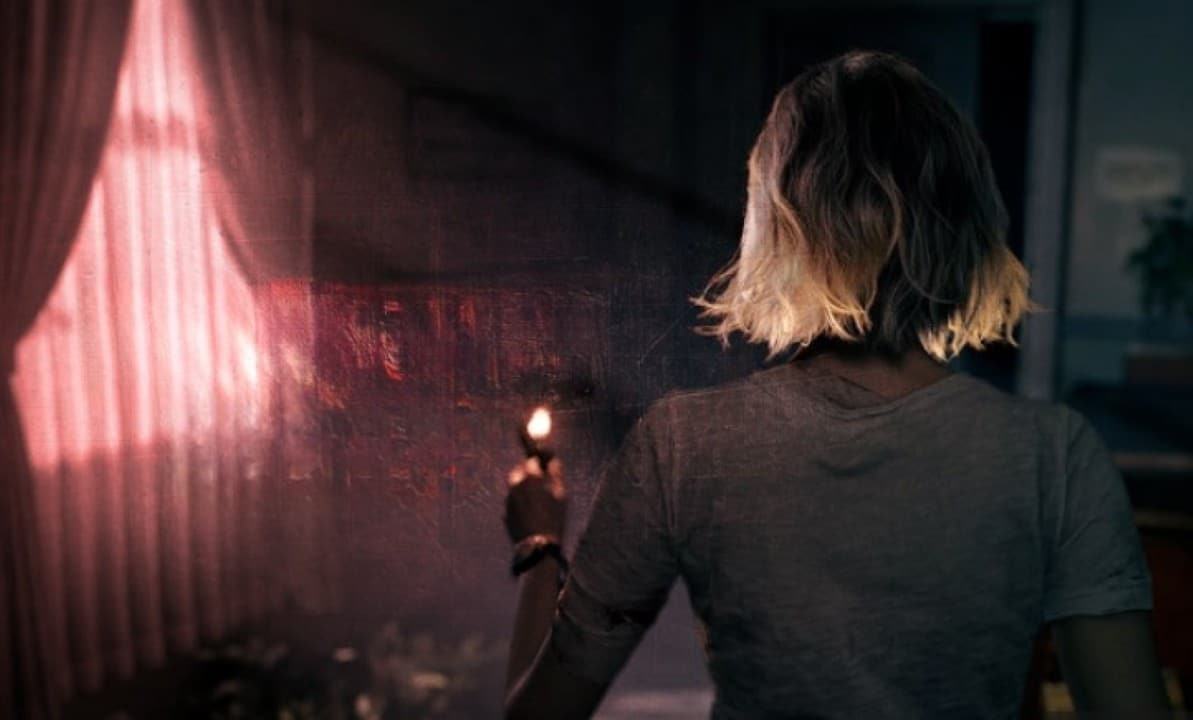
The release of Resident Evil Requiem this Friday, February 27th, brought to light a heated debate about optimizing modern games for different hardware ranges. Enquanto the title hit the market receiving praise for its horror atmosphere and refined mechanics, the visual disparity in the computer version became the center of attention. Usuários who run the game without ray tracing or path tracing enabled describe a graphical experience that differs significantly from the promotional materials released by Capcom.
The absence of advanced lighting technologies has resulted in environments that many players classify as flat and lacking depth. Relatos on specialized forums and social networks point to textures that appear blurry and global lighting that fails to create the necessary contrast for a horror game. The situation is more critical in reflective surfaces and scenes with water, where the lack of ray tracing eliminates realistic details, making the look reminiscent of past generations of consoles.
One of the main complaints involves the disappearance of shadows on smaller objects, such as chess pieces and decorative elements, when the advanced lighting settings are turned off. The technical community argues that over-reliance on proprietary technologies like NVIDIA’s path tracing penalizes owners of mid-range or previous generation graphics cards by creating a visually punishing barrier to entry.
Technical performance and benchmarks
Performance analyzes reveal the cost of the visual realism required by the new chapter in the franchise. Testes performed with the powerful RTX 5090 indicate a frame rate of 157 FPS with traditional rendering, a number that drops to 77 FPS when activating full path tracing. Essa technology simulates the physical behavior of light, ensuring hardened contact shadows and accurate reflections, but requires robust hardware to maintain fluidity.
For the intermediate segment, the situation requires aggressive commitments. Placas like the RTX 3060 can maintain 60 FPS at 1080p resolution without ray tracing, but suffer abrupt drops to around 30 FPS when trying to enable light features. Já on the AMD side, models like the RX 7900 XT demonstrate competence in handling ray tracing at the high setting, reaching 65 FPS at 4K, although there are still notable differences in shadow quality compared to competitive solutions.
Implementing upscalers has become essential for gameplay at high resolutions. Using DLSS 4, unique to newer cards, along with frame generation has been the only way for many users to achieve competitive refresh rates without completely sacrificing visual fidelity. However, the need for specific hardware, such as the RTX 4060 line or higher, for an experience considered “viable” with ray tracing, continues to generate frustration.
Visual differences and impact on consoles
The graphical disparity is not just restricted to the PC, it is also reflected in the console versions. The PlayStation 5 and Xbox Series The recently released Nintendo Switch 2 operates differently, utilizing upscaling from 720p in docked mode to deliver visual fidelity comparable to PC low settings.
Direct comparisons highlight specific technical losses that change the atmosphere of the game:
- Reflexes:Imagens distorted and blurred in standard mode, against multiple, realistic reflections with path tracing.
- Global Lighting:Ambientes interiors become dull and low contrast without the feature enabled.
- Shadows:Detalhes ambient occlusion fines are eliminated at low settings, reducing immersion.
- Textures:Superfícies metals and glass lose their reactivity to light, appearing as matte materials.
In light of the criticism, Capcom stated that it is monitoring community feedback for the development of future patches and driver updates. Players’ expectations are that corrections in shader compilation and optimizations via DirectStorage can alleviate initial problems, while mid-range hardware users seek personalized settings, such as reducing mesh quality and turning off motion blur, to balance performance and visual quality.



