
Motorola adopts Gorilla Glass Ceramic 3 in new foldable, raising standards of robustness in devices


Corning, an American company specializing in tempered glass for mobile devices, announced the launch of Gorilla Glass Ceramic 3, an innovative material designed to increase the durability of smartphone screens. Esse advancement comes amid growing demands for more resistant devices, especially foldable models, and was revealed during Mobile World Congress 2026, in Barcelona.
The new ceramic glass demonstrates superior performance in laboratory tests, surviving drops of more than two meters onto surfaces that simulate concrete. Além can withstand up to 20 consecutive drops of one meter onto simulated asphalt, without causing damage.
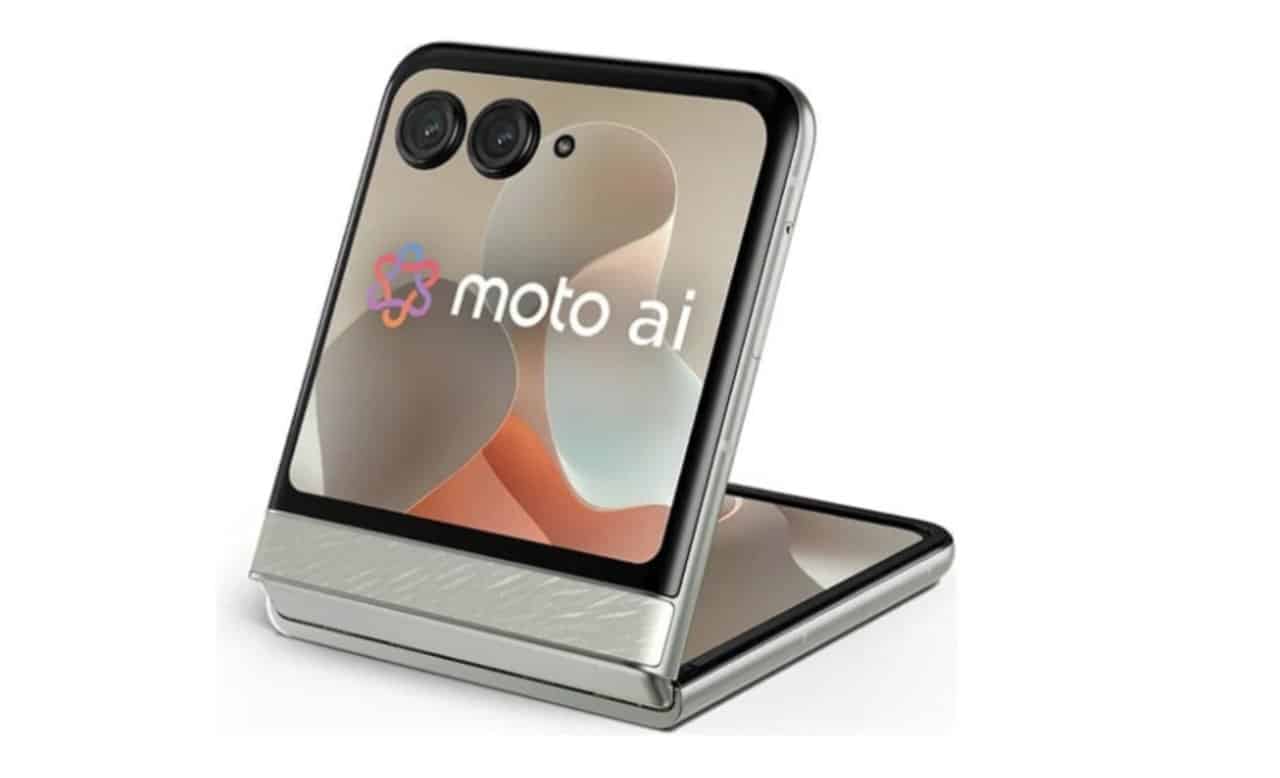
This technology will be integrated for the first time in the Motorola Razr Fold, a foldable smartphone that promises to combine elegant design with improved robustness. The partnership between Corning and Motorola highlights the focus on reliability for daily use, meeting the expectations of consumers who seek longevity in their devices.
Advances in material composition
Corning engineers combined expertise in glass and ceramic science to create a product that maintains its integrity over time. Esse development considers aggressive environments, such as accidental falls and repeated impacts, common in users’ daily lives.
Comparative testing revealed that Gorilla Glass Ceramic 3 outperforms competing aluminosilicate glasses, which often fail on the first drop. Essa superiority reinforces Corning’s position as a leader in protection for billions of devices around the world.
Rigorous testing and proven performance
In controlled evaluations, the material withstood extreme conditions, including impacts on uneven surfaces. The results indicate an improvement of more than 75% in falling performance compared to previous generations. Essa evolution addresses the need for devices that withstand daily wear and tear without compromising functionality.
Durability is assessed not only in isolated drops, but in sequences that simulate years of use. Test protocols replicate real-world scenarios such as urban sidewalks or indoor floors, ensuring practical relevance.
Industry professionals highlight that these advances reduce the frequency of repairs, benefiting both consumers and manufacturers. Early adoption by Motorola signals a trend towards other premium models.
Initial application in the foldable market
The Motorola Razr Fold, presented at MWC 2026, incorporates the Gorilla Glass Ceramic 3 on the external screen, measuring 6.6 inches with a resolution of 2,520 x 1,080 pixels. Essa screen offers 100% coverage of the DCI-P3 spectrum, HDR10+ support and 165 Hz refresh rate, combining high-quality visuals with reinforced protection.
The device, with a thickness of 4.55 mm when opened and 9.89 mm closed, weighs 243 grams and has an IP49 rating against water and dust. Essas specifications position the Razr Fold as a competitive option in the foldables segment, rivaling models from brands such as Samsung and Google.
Benefits for the consumer and industry
The integration of materials such as Gorilla Glass Ceramic 3 allows users to handle their devices with greater confidence in routine activities. Reduzir the risk of breakage contributes to a more sustainable experience, reducing the premature disposal of electronics.
Manufacturers like Motorola emphasize that this technology aligns with longevity goals, allowing software updates for up to seven years. Essa approach extends the life cycle of products, meeting global environmental regulations.
Innovations in this field are driving the market for accessories, such as protective covers, which complement the inherent resistance of glass. Analistas predict that more brands will adopt the material in future launches, expanding their presence.
The economic impact includes investments in production, with factories in Estados Unidos and international partnerships. Essa supply chain strengthens continuous innovation in materials science.
Strategic partnership between Corning and Motorola
The collaboration between the two companies is the result of years of joint development, focusing on designs that prioritize usability. The vice president of Motorola highlighted that the Razr Fold represents a step forward in delivering reliable products for everyday life. Essa union of technologies raises quality standards in the mobility sector. Corning, in turn, continues to invest in research to improve its solutions, ensuring stable supply for global demands.
Corning executives explain that the Gorilla Glass Ceramic 3 has been optimized for flexible screens, essential in foldable devices. Essa adaptation solves challenges such as repeated bending without compromising structural integrity. The debut at MWC 2026 attracted attention from professionals, who saw live demonstrations of durability tests.
Expectations for broad adoption
The launch of Gorilla Glass Ceramic 3 opens the door to applications beyond smartphones, such as tablets and wearables. Sua scratch and impact resistance makes it ideal for devices exposed to varied conditions.
Global manufacturers monitor early Razr Fold performance to evaluate integrations across their lines. Previsões indicate that, by the end of 2026, several premium models will incorporate this technology.
This evolution reflects consumer trends, where durability becomes a decisive factor when choosing devices. Estudos market share shows that users prioritize products that stand the test of time, influencing marketing strategies.
The availability of the Razr Fold at Europa from April, priced at 1,999 euros, tests the material’s acceptance on the market. Relatórios initials suggest heightened interest among technology enthusiasts.
Technical details of the new glass
Gorilla Glass Ceramic 3 combines properties of glass and ceramics to achieve a balance between flexibility and rigidity, resisting forces that would cause fractures in conventional materials. Sua chemical composition includes elements that disperse impact energy, preventing crack propagation. Testes independent experts confirm that the material maintains optical clarity even after repeated exposures, preserving the display quality of the screens. Além Furthermore, its lightness contributes to thinner designs, without sacrificing protection. Corning invested in advanced manufacturing processes to scale production, meeting the growing demand for high-performance components. Essa innovation arises from research that analyzes global usage patterns, adapting the product to different climates and habits.
Market and innovation perspectives
The portable electronics sector is evolving rapidly, with demands for sustainability driving materials like Gorilla Glass Ceramic 3. Empresas seek to reduce environmental footprints through durable products, aligning with global recycling goals.
Government initiatives in several countries encourage investments in green technologies, benefiting players like Corning. Parcerias with universities accelerate the development of new generations of glass.
Historical evolution of the Gorilla Glass line
Since its initial launch in 2007, the Gorilla Glass line of Corning has revolutionized screen protection, being adopted on more than eight billion devices. Cada version brought improvements in resistance to scratches and drops, adapting to advances in smartphone designs. The Gorilla Glass Ceramic 3 represents the culmination of this trajectory, incorporating lessons from past failures to create a more robust product.
Impacts on the supply chain
The production of the new material involves specialized factories, with a focus on energy efficiency. Fornecedores of raw materials adjust operations to meet rigorous specifications, strengthening industrial ecosystems.
This global chain ensures fast distribution, allowing launches like Razr Fold to reach the market without delays. International Colaborações mitigate risks of interruptions, such as those seen in previous years.
Industry and consumer reactions
Technology experts praise the advancement, noting that it addresses one of the main user complaints: screen fragility. Fóruns online discuss the potential for reducing device insurance costs.
Consumers express optimism, especially those opting for foldable models, which are known for vulnerabilities. Enquetes indicate that durability influences 70% of purchasing decisions.
Competing companies accelerate similar research, fostering healthy competition in the market. Essa dynamics drive innovations that benefit the end consumer.
MWC 2026 served as a platform for demonstrations, where visitors tested their endurance at interactive stands. Initial Feedback reinforces the credibility of the technology.
Future of resistant screens
Projections point to integrations in smart vehicles and home appliances, expanding the scope of Gorilla Glass Ceramic 3. Desenvolvimentos in nanotechnology promise even more advanced versions in the coming years.
Corning plans collaborations with more manufacturers, diversifying applications. Essa strategy ensures leadership in the advanced materials segment.



