
New MacBooks should hit the market with low-cost options and cutting-edge processors


Recent supply chain reports indicate that Apple plans a significant expansion of its portable computer lineup, with the anticipated launch of four distinct new models. The strategy aims to cover different market segments, from the educational sector to professionals who require maximum graphics and processing performance. The information points to a diversification that includes components used in the iPhone line and new generations of the company’s own silicon.
The technology giant is expected to introduce devices that integrate cutting-edge technologies, such as OLED screens and touch support, features long awaited by macOS system users. The move suggests a direct response to growing competition from Chromebooks and Windows laptops, seeking to consolidate the brand’s presence in more accessible price ranges.
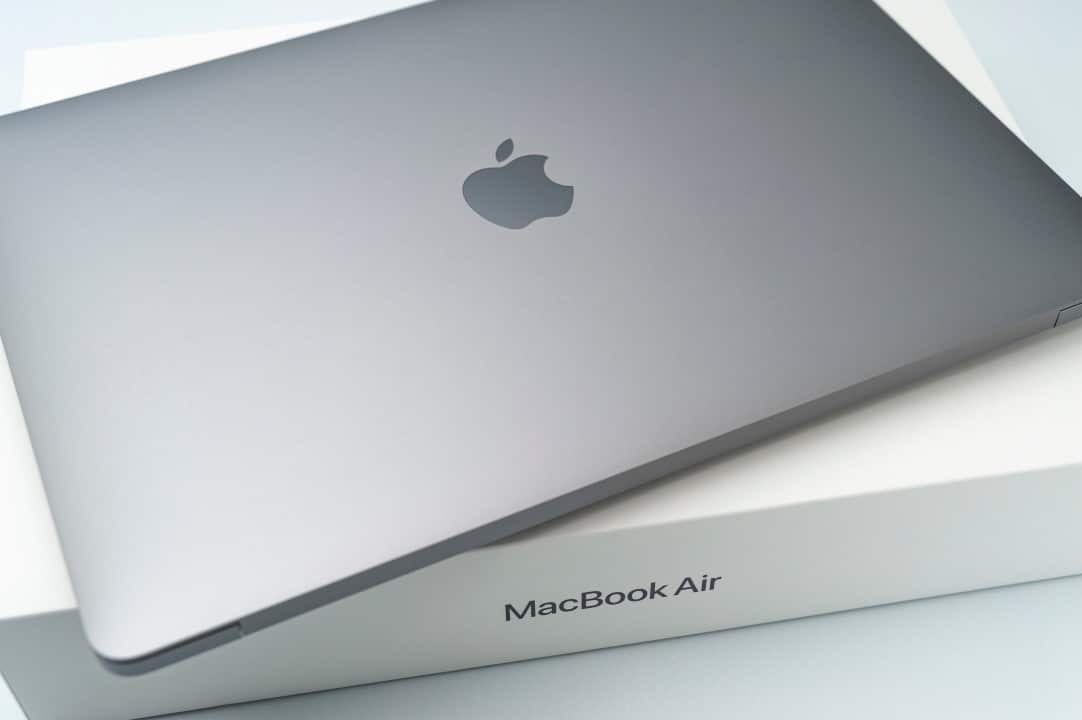
Experts estimate that this portfolio update will occur in stages throughout the year, starting with entry-level and intermediate models, followed by high-performance versions. Essa tiered approach allows the company to maintain consumer interest and optimize its production of advanced chips.
Entry and education market strategy
One of the main novelties is the development of a MacBook focused on cost-benefit, designed to compete directly in the basic educational and corporate sector. The Este model must be equipped with the A18 Pro chip, the same processor found in the iPhone 16 Pro line, ensuring energy efficiency and sufficient performance for everyday tasks, web browsing and light document editing.
| モデル | メインチップ | 画面 | 推定開始価格 (米ドル) | 主な対象者 |
|---|---|---|---|---|
| 低価格MacBook | A18プロ | 13インチ液晶 | 699-899 | 学生と基本的な使い方 |
| MacBook Air | M5 | 13 インチまたは 15 インチ | 999 | プレミアムモバイルユーザー |
| 標準MacBook Pro | M5 プロ/マックス | 14 インチまたは 16 インチのミニ LED | 1999-3499 | 中級者向け |
| MacBook Pro OLED | M6(予定) | 14ンチまたは 16インチのタッチ OLED | 非開示 | 一流のクリエイター |
The device must maintain a 13-inch LCD screen and adopt a design that prioritizes portability, although with some technical concessions to reduce costs. The absence of Thunderbolt ports is one of the expected features, being replaced by standard USB-C connections, which simplifies the internal architecture and makes production cheaper.
Market analysts estimate that the starting price of this equipment is between 699 and 899 dollars. The introduction of this model represents an aggressive attempt by Apple to capture users who traditionally opt for cheaper alternatives, offering integration of the Apple ecosystem at an unprecedented value for the category.
Performance evolution with the M5 line
The MacBook Air update is scheduled for the first quarter, bringing with it the new generation of M5 processors. Testes preliminary benchmarks suggest a significant leap in performance compared to the previous generation, with improvements estimated at:
- 12% to 15% increase in CPU single and multi-core performance.
- Gain of up to 36% in graphics processing capacity (GPU).
- Greater energy efficiency, extending battery life in continuous use.
The model should maintain the base price of 999 dollars, positioning itself as the ideal option for users looking for a balance between power and mobility. The new chip’s architecture also promises to accelerate tasks based on artificial intelligence, a growing focus in the company’s software development.
For the professional segment, the new 14- and 16-inch MacBook Pro should arrive equipped with the M5 Pro and M5 Max variants. Fabricados Powered by TSMC’s 3-nanometer technology, these processors will offer superior memory bandwidths and support for high-speed SSDs, while maintaining prices at current levels of $1,999 and $3,499, respectively.
Future with OLED screens and touch interface
The most anticipated innovation is reserved for the end of the launch cycle, with the introduction of MacBook Pro models equipped with OLED panels. Essa technology will deliver deeper contrasts, absolute blacks and greater brightness, raising the visual standard for content creators and video editors.
In addition to image quality, sources indicate that these premium models may introduce touchscreen support, a paradigm shift in the usability of the brand’s laptops. The integration of touch screens would bring the Mac experience closer to that of the iPad, offering new ways of interacting with professional applications.
These high-end devices should also debut the M6 chip, focused on maximizing graphics and artificial intelligence performance. The design must be refined to accommodate the new screen technology, resulting in a thinner and lighter chassis without compromising battery life.



